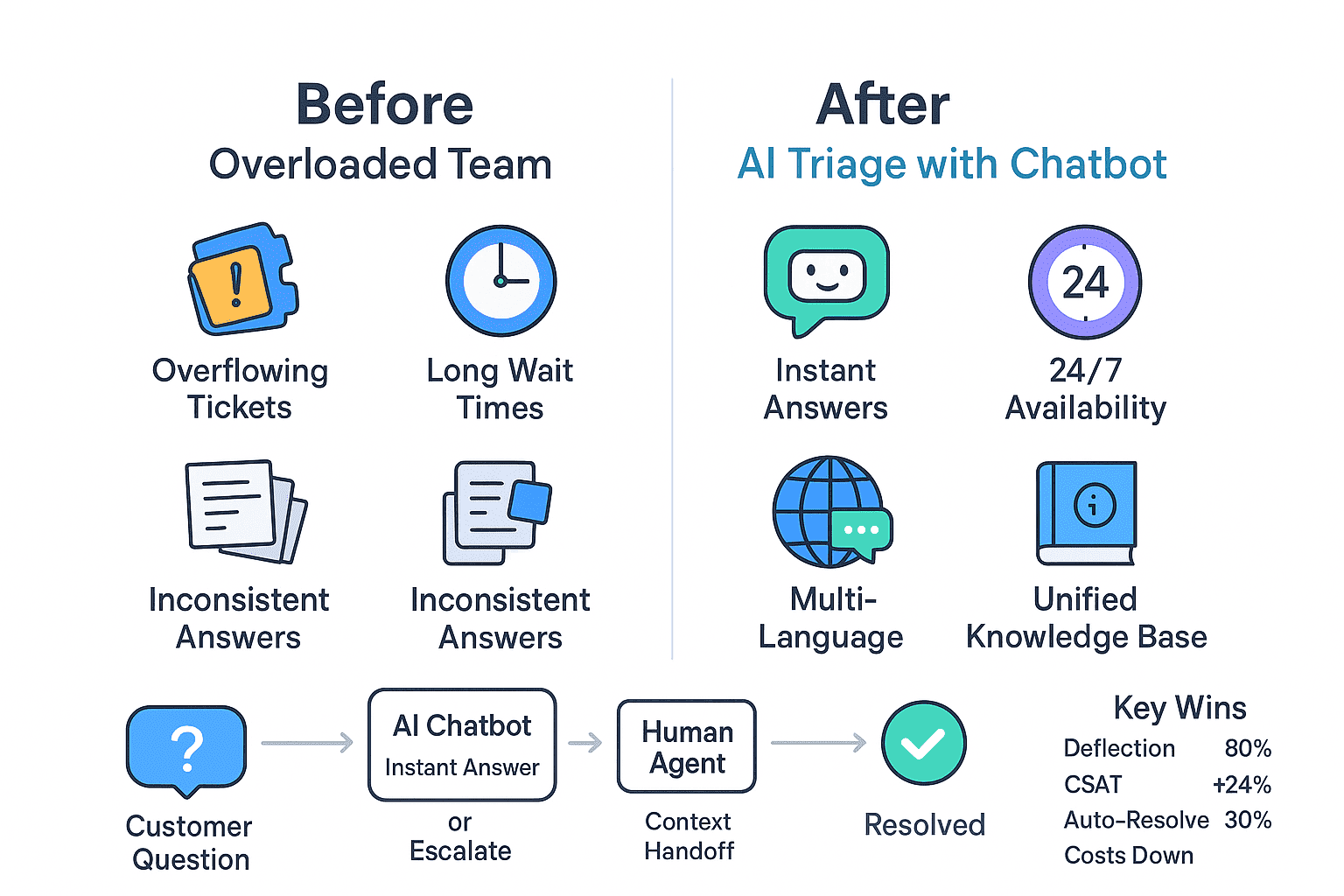
When Buildfire’s support team looked at their ticket queue, the pattern was obvious. Most incoming questions were not complicated. Customers wanted to know how to set up a feature, whether a plan included a certain integration, or what to do when a build failed to publish. None of that required a senior engineer, yet it was eating the same amount of time as the genuinely hard tickets. Buildfire brought in Noem.ai’s AI Concierge to change that, and the results reshaped how their support team spends its day.
The problem: good questions, wrong queue
Buildfire builds mobile apps for small businesses, and its support inbox filled up fast with the same handful of questions asked in a dozen different ways. A rep might spend fifteen minutes walking a customer through a setting that was already documented on the help center, simply because the customer never found the article. Multiply that by hundreds of tickets a week, and a small team ends up spending most of its time repeating itself instead of solving the problems that actually need a person.
Why an AI Concierge instead of a generic chatbot
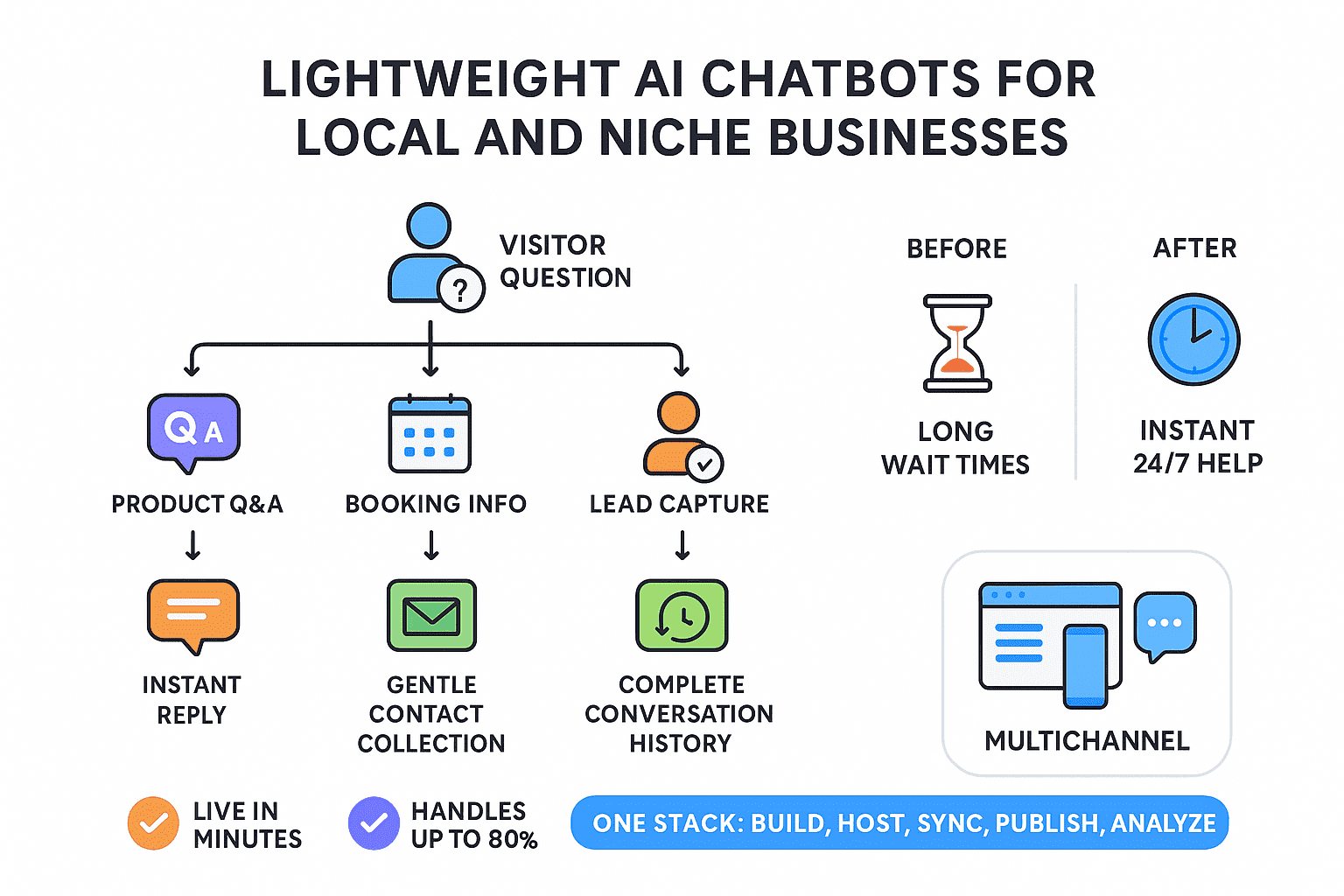
Buildfire had tried a basic chatbot before, and it fell flat. It followed a rigid decision tree, gave the same canned answer no matter how a question was phrased, and frustrated customers more than it helped them. Noem.ai’s approach is different: the Concierge is grounded in Buildfire’s actual help center, product documentation, and FAQs through retrieval-augmented generation (RAG). That means it answers the question a customer actually asked, in their own words, instead of forcing them down a script.
Getting it live
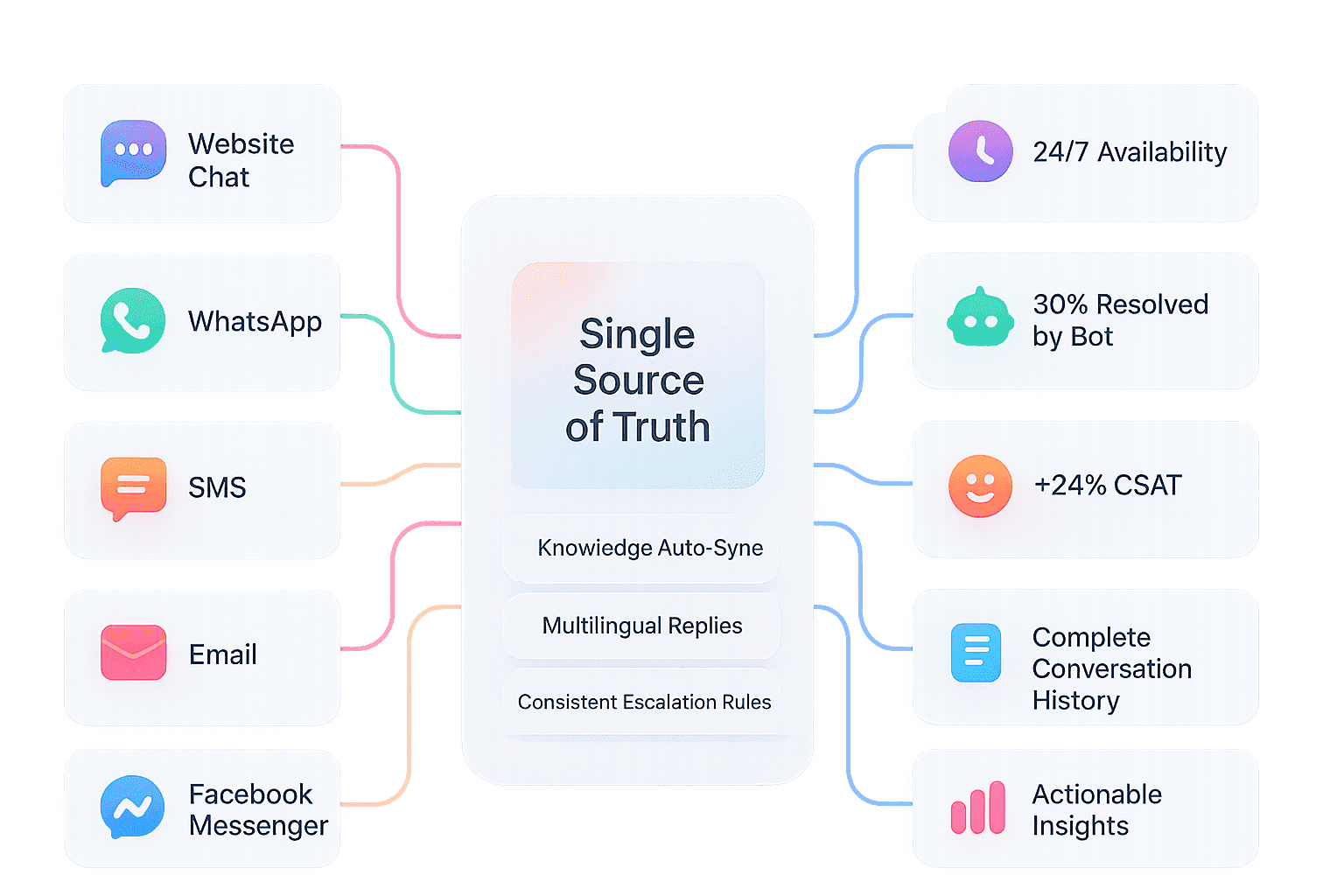
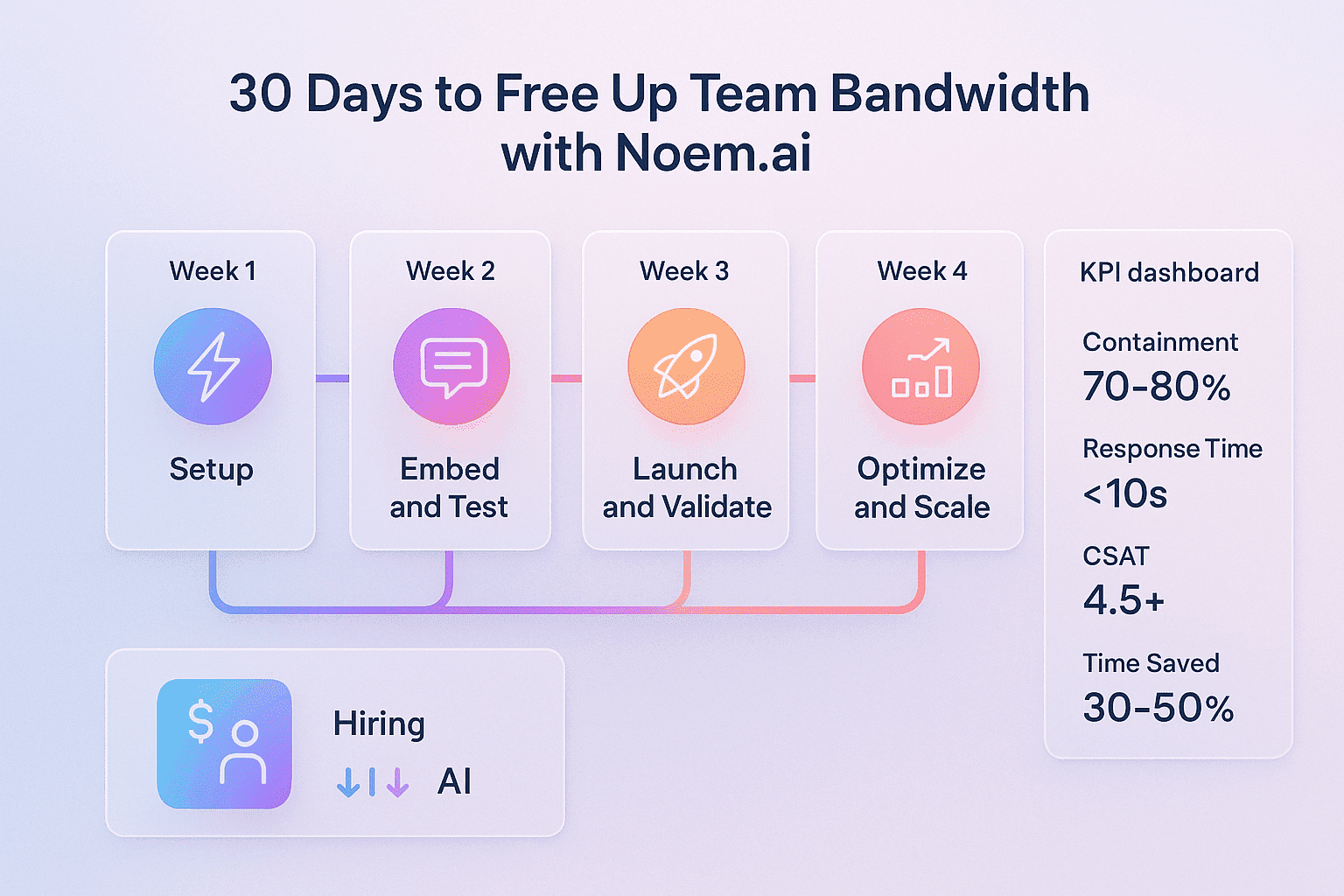
Setup did not require a developer sprint. Buildfire’s team picked the Support Concierge role, synced their existing help center content, and deployed it to their website chat widget. The whole process took a matter of days, not the weeks a custom-built bot or a full support hire would have required. As their documentation changed, the Concierge’s answers updated with it, so there was no separate content pipeline to maintain.
What changed for the support team
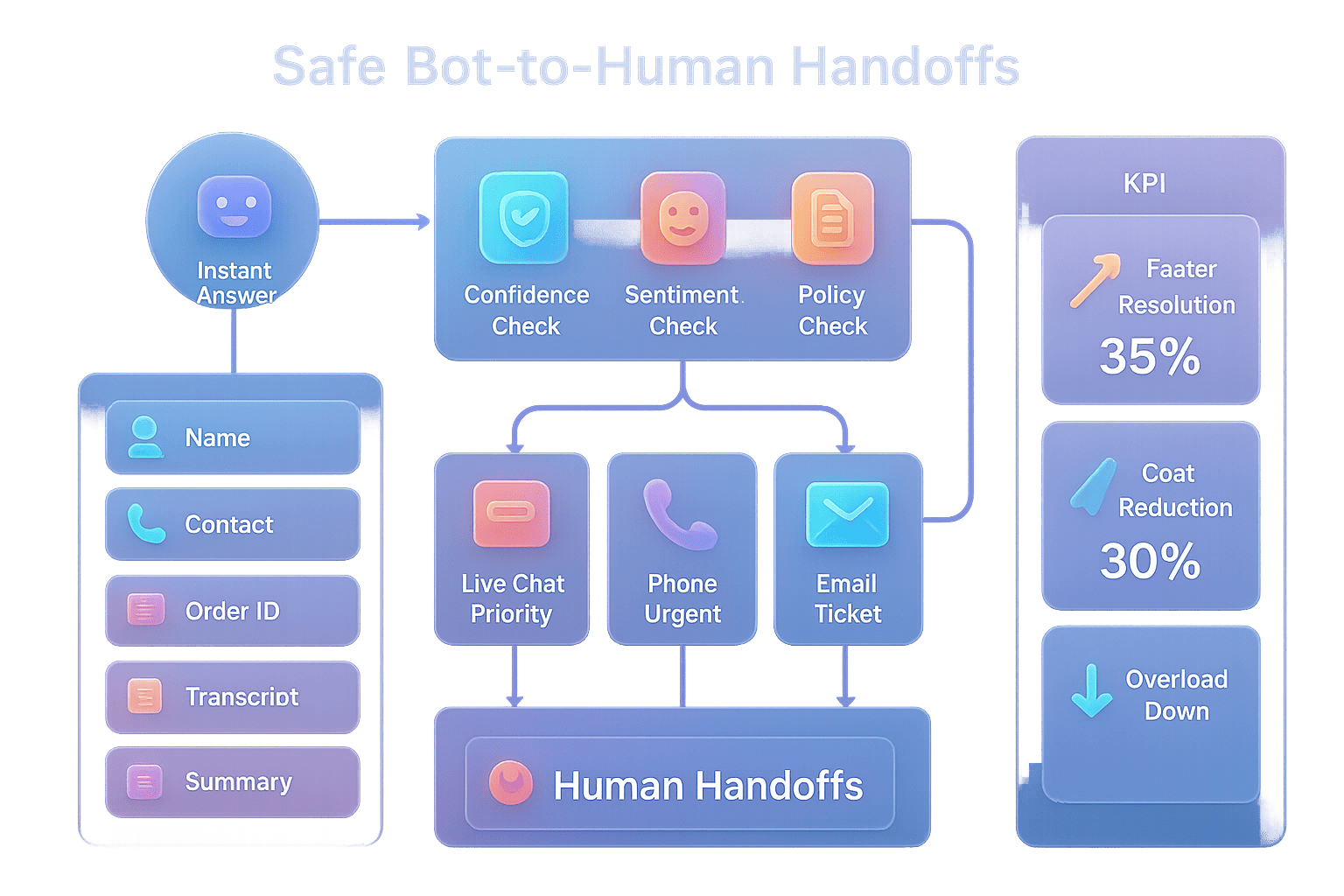
Within the first few weeks, the volume of repetitive tickets reaching Buildfire’s human agents dropped noticeably. Questions about setup, plan features, and common troubleshooting steps were answered instantly, day or night, without anyone on the team lifting a finger. When a question genuinely needed a person, the Concierge handed it off with the full conversation history attached, so the agent picking it up did not have to ask the customer to repeat themselves.
What changed for customers
Customers stopped waiting on email replies for questions that had simple answers. A user building an app at 11 p.m. could get an accurate response immediately instead of opening a ticket and waiting until the next business day. That kind of responsiveness matters most for a product like Buildfire’s, where customers are often working independently and need quick confirmation before they move on to the next step.
Visibility the team didn’t have before
Beyond answering questions, the Concierge gave Buildfire’s team something they had not had before: a weekly view into what customers were actually struggling with. Noem.ai’s sentiment and intelligence reports surfaced recurring questions and content gaps, including a few help center articles that were out of date or hard to find. Fixing those closed the loop, since better documentation meant even fewer repetitive tickets going forward.
The bottom line
Buildfire’s story is a simple one: most support queues are dominated by a small set of answerable questions, and an AI Concierge grounded in real content can absorb those instantly. That freed their team to spend their time on the conversations that actually needed a person, and gave them a clearer picture of where their product and documentation still needed work.