When customers ask a question, they want help right away. Waiting hours or even days creates worry, and that worry turns into churn. Many teams try to fix this by adding more tools or more agents, but that often means more training, higher costs, and slower rollouts. The truth is, most teams don’t have a response time problem—they have a scale problem. They have the answers, but they can’t deliver those answers instantly, across every channel, every time.
That’s why more businesses are turning to always-on chatbots to deliver instant responses that feel helpful and human. With the right platform, your team can handle common questions, route complex issues, and keep answers consistent across sales and support. Data backs this up: AI support can cut first response time and resolution time dramatically, while lifting satisfaction and reducing repeat contacts (ref: AIPRM Customer Service Stats). If you want that outcome without wrestling with five different tools, it’s time to look at a single-stack approach like Noem.ai—builder, hosting, knowledge sync, multichannel publishing, and analytics in one place—so you can go live in minutes, not weeks (ref: Noem.ai: Business + AI Integration).
What Makes Noem.ai Different (And Faster to Deploy)
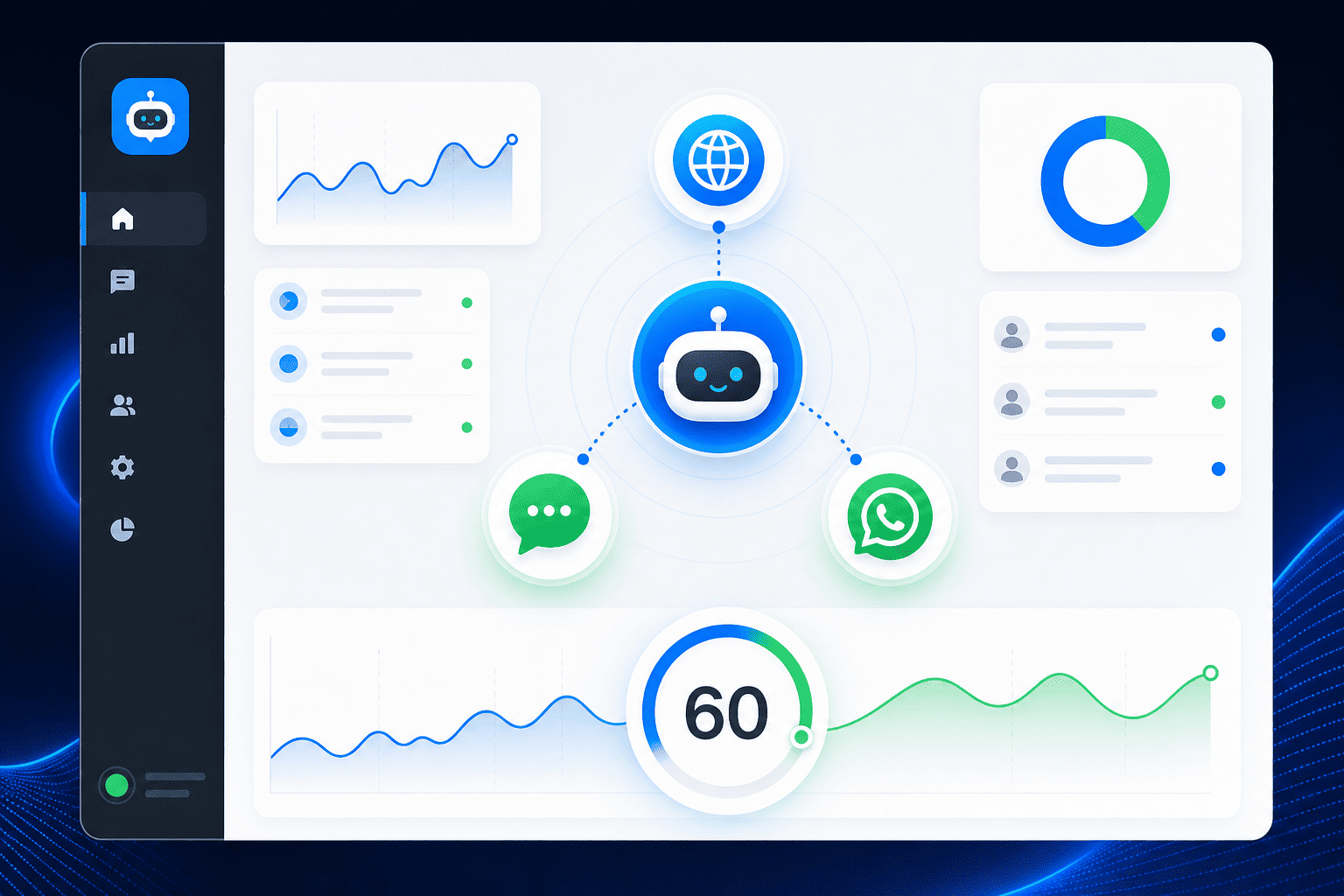
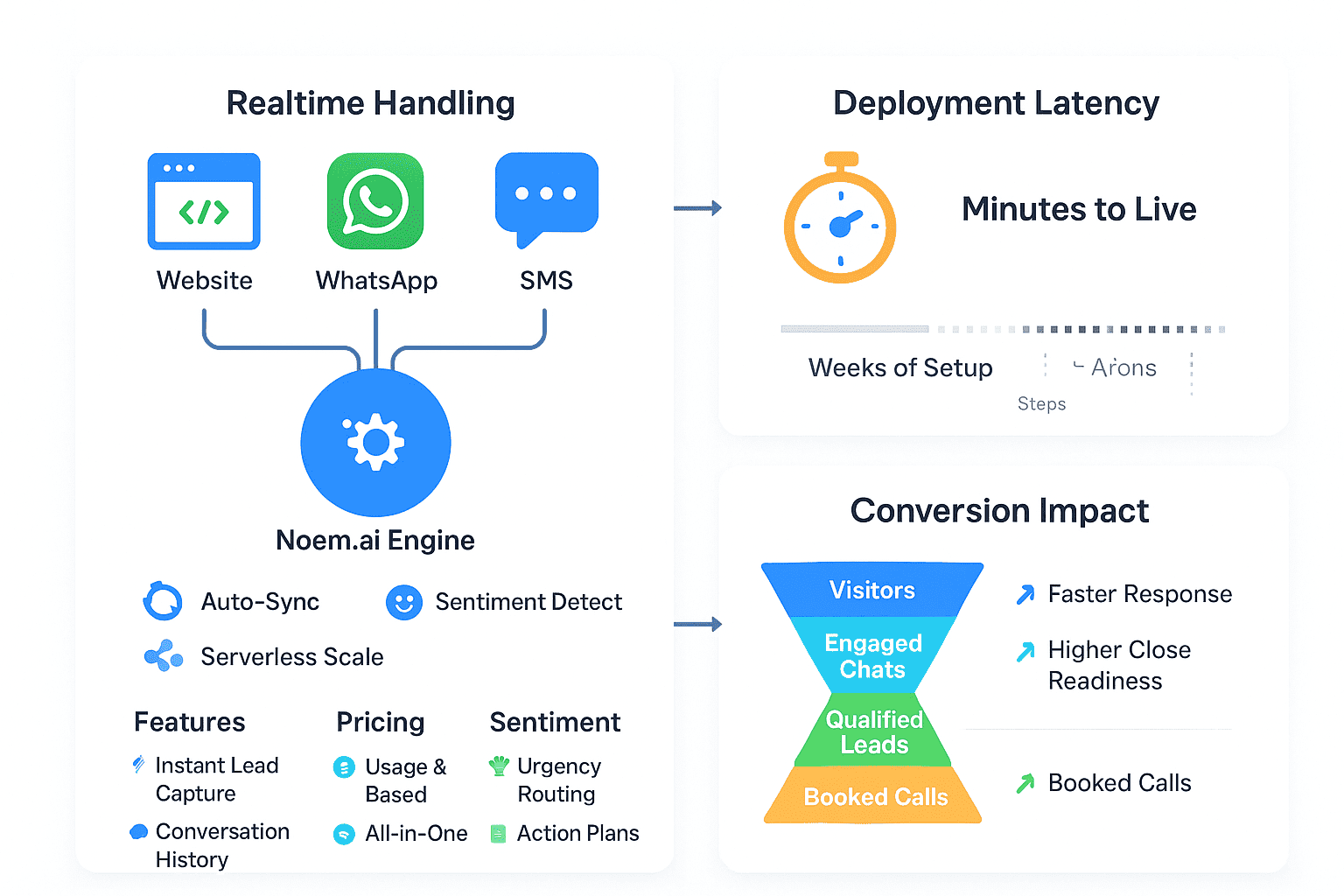
Most chatbot projects stall during setup. Knowledge lives in docs, wikis, and websites, and keeping it updated takes work. Then there’s the headache of connecting to your site, your CRM, your help desk, and your analytics. This is where Noem.ai stands out. It bundles everything—bot builder, hosting, knowledge auto‑sync, multichannel publishing, and analytics—into one stack with usage-based pricing, so you can move fast and still keep predictable costs (ref: Noem.ai: Basics of AI Automation).
Noem.ai also focuses on trust. Continuous auto‑sync means your bot reflects the latest version of your content without manual re-training. That removes the most painful part of maintenance: updating answers when your pricing, product, or policies change. With one click, you can publish to your website, your app, or your messaging channels and keep answers uniform. Teams move from planning to launch in days, not quarters, and they start measuring wins like faster first response times, higher CSAT, and fewer repeat questions on day one (ref: Noem.ai: Sentiment-Aware Chatbots).
Sub-Second Answers That Build Trust—And Stop Churn Before It Starts
Customers don’t just want fast—they want right. Fast and correct answers build trust. Every time your brand responds quickly with a helpful, consistent answer, you make it easier for a customer to stay. Studies show AI chat support can reduce first response times by well over a third and cut total resolution times in half, which lifts CSAT and reduces the chance a customer will leave due to slow help (ref: AIPRM Customer Service Stats). In plain words: when people get help now, they stick around later.
With Noem.ai, immediate engagement becomes your default. The chatbot is always on, ready to answer top questions like pricing, billing, shipping, onboarding steps, or product features. Even better, it can hand off to your team when tone or complexity calls for a human, ensuring sensitive or unusual cases get the care they deserve. You don’t replace your agents—you free them to do the high-value, relationship-building work where they shine (ref: Noem.ai: AI Agents & Small Business Efficiency).
How to Plan Your Rollout in Days, Not Months
A strong rollout plan keeps things simple: start with your top 50 to 100 questions, publish across your main channels, and measure impact every week. With Noem.ai, you connect your knowledge base, website, and docs, then turn on continuous auto‑sync. You won’t need to rebuild content every time a policy changes; it just stays current. Next, set up triggers on key pages—pricing, checkout, billing, support center—so the bot catches intent at the exact moment a customer needs help. Finally, define clear, human-friendly escalation paths for tricky cases to ensure great experiences without dead ends (ref: Noem.ai: Business + AI Integration).
Teams that follow this approach often see results in the first week. Faster first responses. Fewer unresolved tickets. More consistent answers. And a lighter load on your support and sales reps. These early wins matter because they prove value internally, earn buy-in, and set the stage for broader use cases like lead capture, proactive nudges, and tailored onboarding workflows—all while keeping human empathy where it belongs: on the complex conversations (ref: AIPRM Customer Service Stats).
Instant Response to Customer and Prospect Questions
- Bold Speed, Real Results: Teams adopting instant chat responses often cut first response times by a third and slash resolution times by up to half, helping customers get from question to answer in minutes instead of hours. These speed gains reduce frustration and show your brand is present and reliable. Quick help during checkout or signup also keeps prospects moving, raising conversion and show-up rates for booked calls. In short, the faster you guide people, the more likely they are to finish what they started (ref: AIPRM Customer Service Stats).
- Catch Questions at the Moment of Need: By placing the bot on pricing, trial, and help pages, you answer what people wonder right when they wonder it. That context matters, because visitors don’t need to search or wait—they just ask and move forward. This lowers cart abandonment and increases self-serve success. It also creates a calmer queue for your human team, since fewer basic questions reach your agents (ref: Noem.ai vs. Drift).
- From Hello to Helpful in One Message: Noem.ai brings in your latest content through continuous auto‑sync, so the first answer is both fast and correct. Every accurate first reply reduces back-and-forth, which shortens time-to-resolution and improves satisfaction. When a case needs a person, the bot shares context so your agent doesn’t start from scratch. That saves minutes on each handoff and leads to smoother experiences overall (ref: Noem.ai: Sentiment-Aware Chatbots).
- Proactive Help That Feels Personal: Smart prompts can nudge visitors to the next step, like surfacing a setup guide or a comparison page when someone hesitates. This kind of timely, relevant help feels like good service, not a hard sell. It also makes complex products easier to adopt. Over time, that means better trial-to-paid rates and stronger retention (ref: Noem.ai: Business + AI Integration).
Reduced Workload for Existing Teams
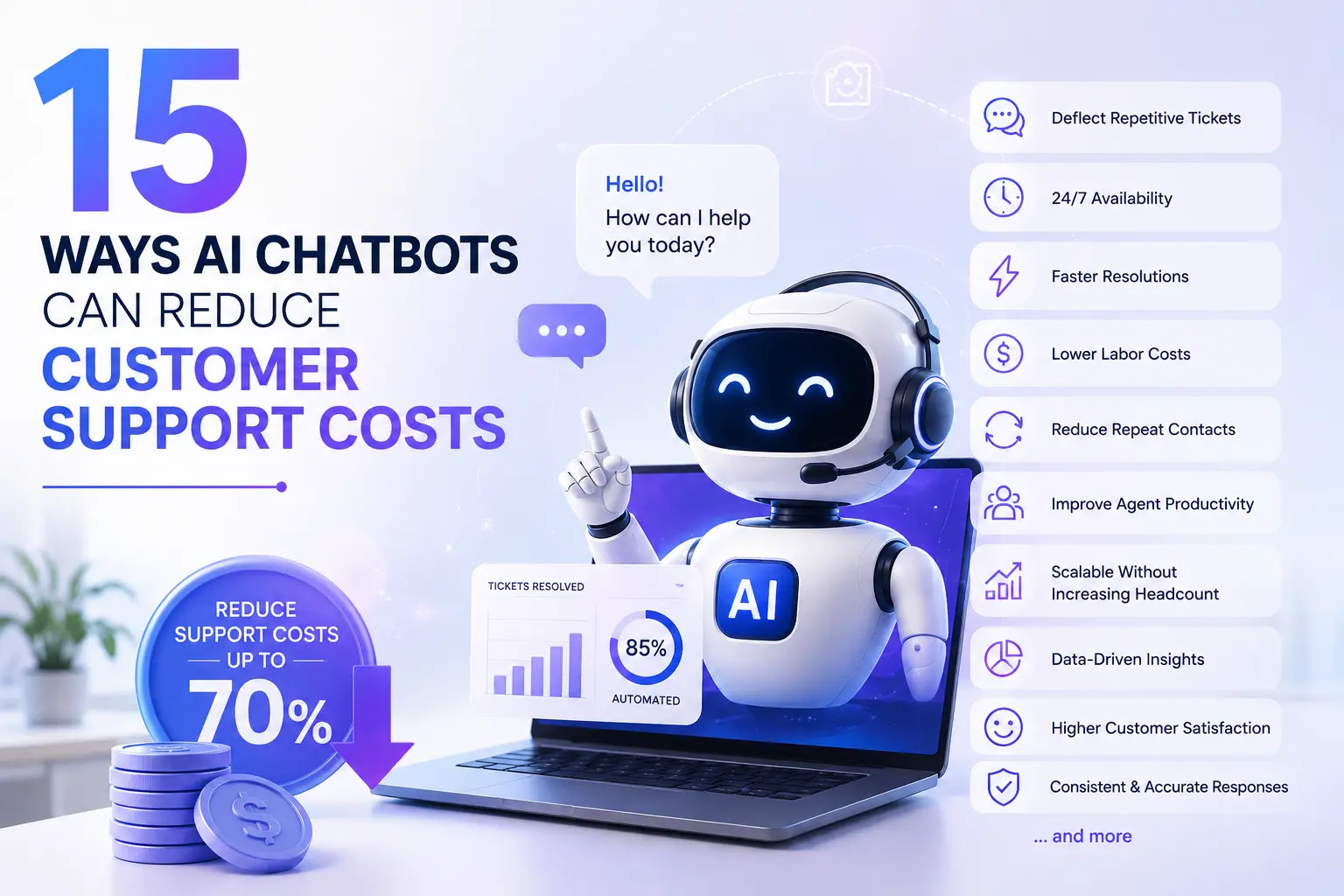
- Let the Bot Clear the Line: Many teams find that a large portion of chats are simple: passwords, billing dates, feature lists, and “where do I click?” kind of questions. Offloading these to Noem.ai keeps your agents focused on complex or high-empathy issues. As the bot handles the first wave, handle times drop and backlogs shrink. This approach boosts morale since agents spend more time solving meaningful problems instead of repeating the same answers (ref: Noem.ai + SnatchBot).
- Scale Without Scramble: Peaks happen—product launches, seasonal spikes, or promos. With an AI layer absorbing volume, you stay responsive without rushing to hire temps. That steadiness means fewer missed chats and fewer unhappy users. It also means your leadership can plan costs with more confidence (ref: AIPRM Customer Service Stats).
- One Source of Truth, Less Repetition: Because Noem.ai auto‑syncs your knowledge, agents spend less time hunting for the “official” answer. The bot delivers the same message every time, and your team can share or update that answer as needed. This creates smoother internal workflows and fewer reopenings. In practice, that turns into faster resolutions and fewer tickets bouncing around (ref: Noem.ai: Basics of AI Automation).
- Sentiment-Aware Escalations: Not every question should be automated. When signals show urgency, confusion, or risk, the bot routes to a human with full context. That balance keeps service personal where it matters and efficient where it doesn’t. It reassures your team that AI is here to help—not to replace—them (ref: Noem.ai: Sentiment-Aware Chatbots).
Consistent Answers Across Sales and Support
- One Brand Voice, Everywhere: Customers expect the same answer, whether they ask on your homepage, inside your app, or in a support chat. Inconsistent replies erode trust and create friction. With Noem.ai, your bot and agents pull from the same, up-to-date source, so answers match across channels. That consistency strengthens your brand and speeds up decisions (ref: Noem.ai: Business + AI Integration).
- Analytics That Improve Real Conversations: Noem.ai’s analytics highlight which questions spike, which answers land, and where confusion lingers. This lets you refine content so the next visitor gets a cleaner path. Over time, your bot containment rises and your agents see fewer repeats. You’re not just automating—you’re learning and improving week by week (ref: Noem.ai + LivePerson).
- Aligned Sales and Support: When pricing details, feature limits, or integration steps are always accurate, both sales and support benefit. Prospects get clear guidance that speeds purchasing decisions, while customers get reliable help that keeps them happy. This alignment prevents churn caused by mismatched expectations. It also makes renewals smoother because there are fewer surprises to fix (ref: Noem.ai vs. Drift).
- Fewer Repeats, Faster Follow-Through: When the first answer is right, you avoid rework and reopenings. Teams using AI chat often report fewer repeated contacts for the same issue, because the guidance is clearer the first time. That shows up as higher CSAT and lower operational drag. It’s a simple formula: consistency reduces confusion, and reduced confusion lowers churn (ref: AIPRM Customer Service Stats).
Lower Operating Costs Compared to Hiring
- Predictable, Usage-Based Scaling: Hiring takes time and money: recruiting, training, and management. By handling the first line of questions with Noem.ai, you grow coverage without ballooning headcount. Usage-based pricing lets you scale calmly as volume rises. That keeps costs aligned with demand instead of fixed and rising (ref: Noem.ai: Basics of AI Automation).
- 24/7 Coverage Without Overtime: Round-the-clock support is hard with people alone. AI gives you instant, always-on help every day, nights and weekends included. Customers get answers when they need them, and your team can staff smarter shifts. The result is better experience at a lower blended cost per contact (ref: AIPRM Customer Service Stats).
- Cut Repeat Contacts and Reopens: Repeated tickets increase costs and eat time. With accurate self-serve answers and strong handoffs, you reduce the second and third contacts for the same issue. That shrinks queues and lowers total handling costs. Fewer touches mean more savings (ref: Noem.ai + LivePerson).
- Faster Time to Value: Traditional rollouts can take months of integration work. Noem.ai bundles the builder, hosting, sync, publishing, and analytics into one stack, so teams can go live in minutes, not weeks. That short path to production accelerates ROI and makes stakeholder buy‑in easier. When leaders see results this fast, expansion becomes a clear next step (ref: Noem.ai: Business + AI Integration).
Reducing Onboarding Costs With Self-Updating Knowledge
- Train Once, Sync Forever: Every time a document changes, many teams need to retrain people. With continuous auto‑sync, your bot updates itself from your latest docs and webpages. That means fewer hours spent on internal training for minor changes. It also means new hires can find answers faster during ramp-up (ref: Noem.ai: Basics of AI Automation).
- Less Shadow Knowledge, More Clarity: When content lives in personal notes or old wikis, mistakes spread. Noem.ai centralizes the truth, so every answer is consistent and current. Over time, that reduces rework and coaching costs. Your team focuses on craft, not on hunting for the newest version of a policy (ref: Noem.ai: AI Agents & Small Business Efficiency).
- On-Demand Playbooks: New teammates can ask the bot how to handle a scenario and get the same instruction every time. That creates a safety net during ramp periods without extra manager hours. It also keeps your practices more uniform across shifts and locations. Consistency is cheaper than constant retraining (ref: Noem.ai: Business + AI Integration).
- Lower Volatility During Change: When you launch new pricing or features, confusion spikes. By updating docs once and letting the bot auto‑sync, you contain that spike. Questions get quick, correct answers, and your team avoids fire drills. That calm saves budget and reduces the stress that leads to churn—inside and outside your company (ref: Noem.ai: Sentiment-Aware Chatbots).
Real-World Patterns: What High-Performing Teams Measure
High-performing teams do three things well: they measure what matters, they iterate quickly, and they share wins. With Noem.ai analytics, you can track key metrics like first response time (FRT), time to resolution (TTR), bot containment rate, deflection rate, and CSAT. Industry data shows that AI support often lifts CSAT and reduces time-to-resolution, especially when first replies are accurate and handoffs include context (ref: AIPRM Customer Service Stats). That means fewer repeats, clearer paths, and higher trust. When people get help that simply works, they stay.
For sales and success teams, you can also track conversion from conversation to booked calls, and from booked calls to show-ups. Faster, clearer answers reduce no-shows and smooth the buying journey, which means better pipeline efficiency. Combined with consistent support answers post-sale, these gains help lower churn by removing the gap between promise and reality. You sell more honestly and support more reliably—and customers reward that alignment over time (ref: Noem.ai vs. Drift).
Step-by-Step: A 2-Week Launch Plan You Can Actually Follow
- Days 1–2: Connect Knowledge Sources: Attach your public docs, help center, pricing page, and policy pages to Noem.ai and turn on continuous auto‑sync. Do a quick audit of outdated content and update it once in your source. Create a short hit list of the top 50–100 questions your team sees most. You’re building a strong base for both speed and accuracy (ref: Noem.ai: Basics of AI Automation).
- Days 3–5: Draft and Test Answers: Use your current language and brand tone so replies feel familiar. Run internal tests that cover easy, medium, and tricky cases. Set clear escalation triggers for urgency, billing issues, and high-value accounts. Keep a small loop of reviewers to approve updates fast (ref: Noem.ai: Business + AI Integration).
- Days 6–8: Publish to Priority Channels: Add the chatbot to your homepage, pricing, and support pages first. Turn on in-app messaging for logged-in users, and enable proactive nudges on stuck points. Make sure email and help desk handoffs carry full context. Share a short internal guide so agents know what the bot covers (ref: Noem.ai vs. Drift).
- Days 9–14: Measure, Tune, Expand: Set your dashboard to monitor FRT, TTR, CSAT, and containment daily. Improve any answers with low success rates and add 10–20 new FAQs from live conversations. Roll out to secondary channels like WhatsApp or Facebook if they matter to your customers. Celebrate quick wins and share the metrics with leadership weekly (ref: Noem.ai + LivePerson).
Quietly Lowering Churn by Making Every Conversation Count
Churn drops when people trust you. And trust grows when answers are consistent, fast, and helpful. AI support helps here by shortening the time from question to solution, especially for the repetitive tasks that clog queues and frustrate users. When you combine that speed with smart handoffs for complex cases, you give customers the kind of service that keeps them from looking elsewhere. Over time, that shows up as longer retention, stronger reviews, and lower cost to serve (ref: AIPRM Customer Service Stats).
Noem.ai’s single-stack design makes this practical. Instead of gluing tools together, you get builder, hosting, knowledge auto‑sync, multichannel publishing, and analytics in one place. That means less friction for your team and faster results for your customers. It’s a calm, steady path to 24/7 support that scales with your business—without stretching people too thin or adding risky complexity (ref: Noem.ai: Business + AI Integration).
Ready to See It in Action?
If you want consistent answers, instant responses, lower costs, and happier customers, start with the channel that matters most and build from there. Connect your knowledge, switch on auto‑sync, and go live in days with Noem.ai. Then measure the impact on first response time, resolution time, and CSAT. When you’re ready, extend across web, in-app, and messaging to cover more of the journey. Want help scoping your first week? Watch a quick walkthrough and see how fast teams launch with a single-stack approach (ref: YouTube Demo).
Your customers are already asking. Will you answer in seconds today—or let them wait until tomorrow?