Why busy owners compare Noem.ai to Chatbase, Tidio, Intercom, Drift, and Warmly
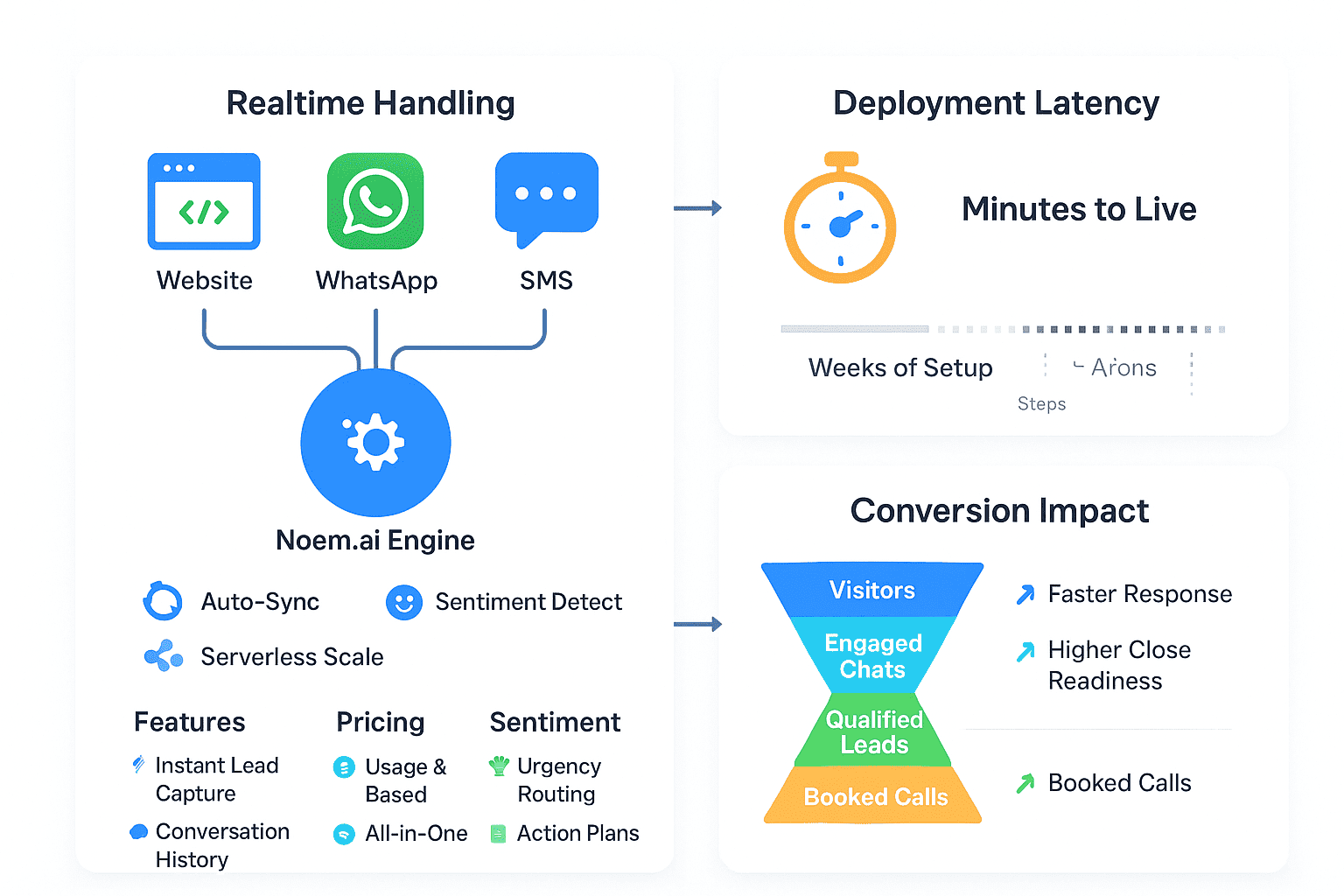
When you run a business, you need tools that help right away. You want faster replies, better leads, and fewer support tickets. You also want setup to be quick and simple. This is why many owners look at noem.ai and the big names like Chatbase, Tidio, Intercom, Drift, and Warmly. The good news is you can learn a lot by focusing on what really drives outcomes: instant website lead capture, complete conversation history, sentiment analysis, faster response times, and higher close rates with better‑qualified leads (ref: Noem.ai ).
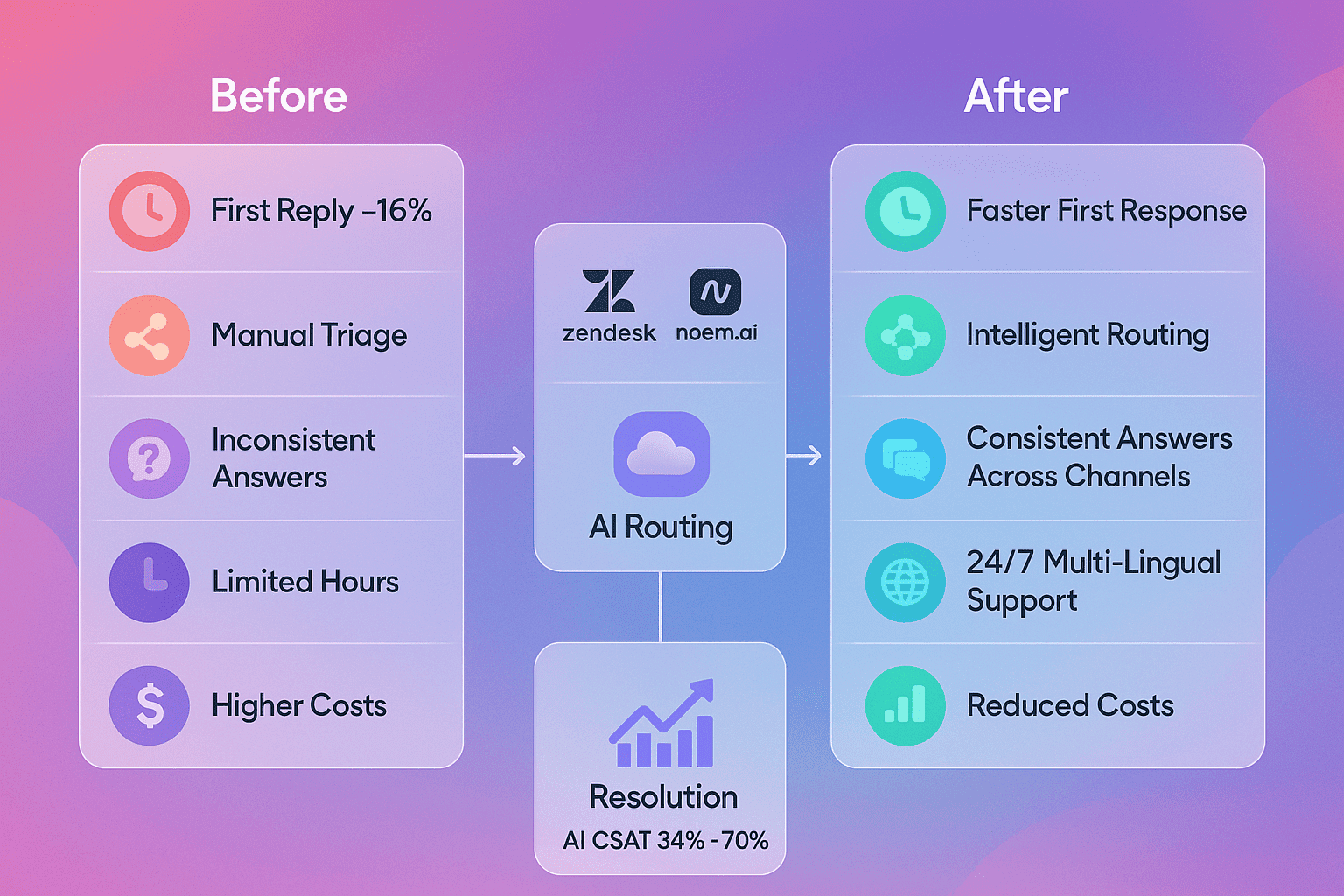
noem.ai is built as a no‑code, fully integrated stack. It lets you build, host, sync knowledge, publish to multiple channels, and track analytics in one place. This makes it simple for teams to go live in minutes instead of weeks. It is designed to act more like a sales teammate than a basic Q&A bot, helping reduce tickets, handle complaints, and qualify leads, with reports of up to 80% fewer tickets when automation is set up well (ref: Noem.ai ). Competitors often lean on FAQ and hybrid handoffs, while noem.ai aims to automate the boring parts so your team can focus on high‑value work (ref: respond.io ).
The 5 outcomes owners care about most (and how platforms compare)
- Instant Website Lead Capture: You want every qualified visitor to get help fast, and then be nurtured with a helpful follow‑up. noem.ai can capture and qualify new leads on your site, continue the chat later, respect preferences, and even share product images to build trust. Some tools collect emails or basic info, but they may not follow up like a teammate. A system that acts like a sales rep will speed up routes to booking and demos without feeling pushy (ref: Noem.ai ; Chatbase ). This means more warm conversations and less time chasing forms.
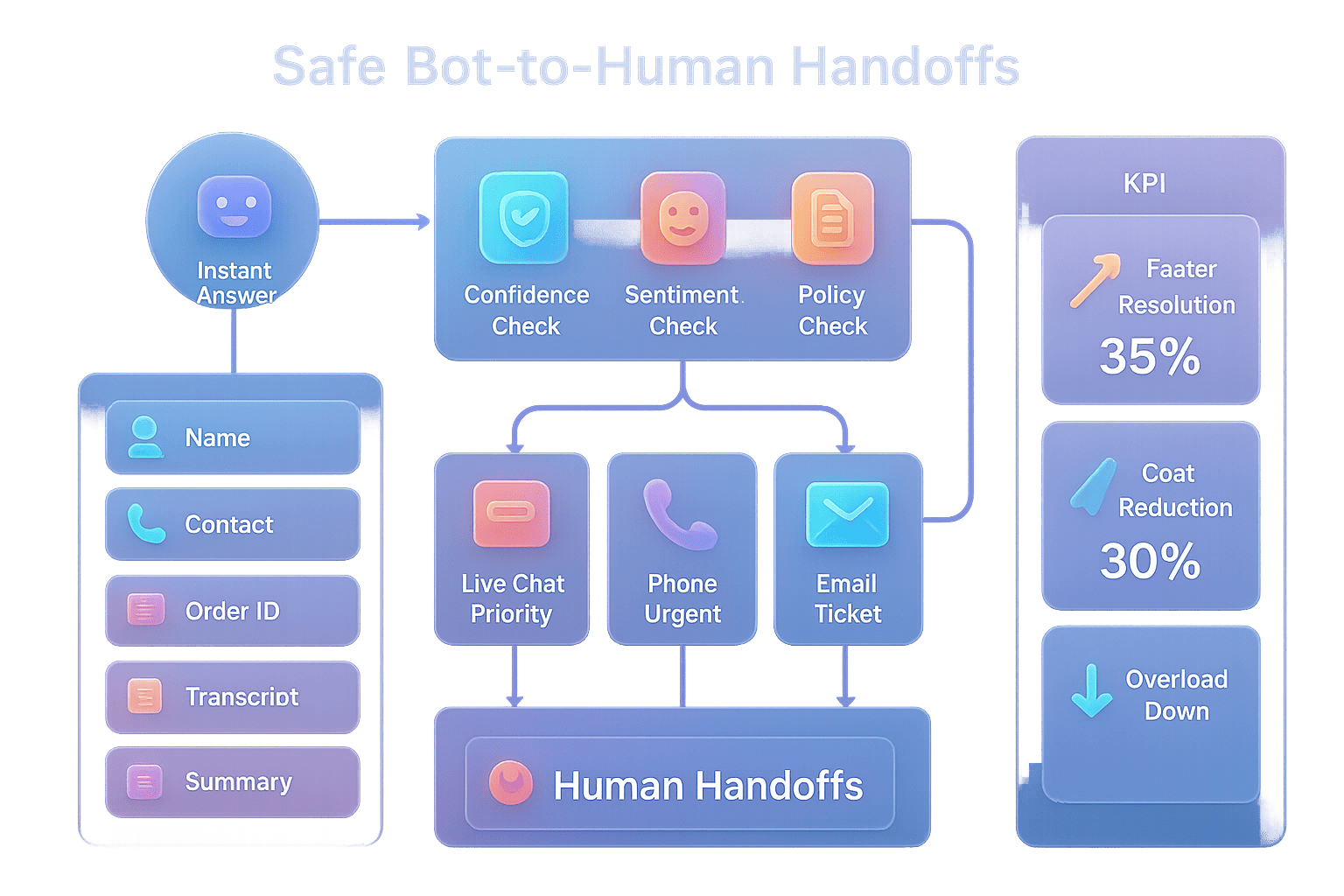
- Complete Conversation History: You want the full story in one place. noem.ai keeps the whole chat history so agents can step in with full context. This prevents asking the same questions again during escalation. It also helps you learn from real customer words, which guides updates to your site and product (ref: Noem.ai ; respond.io ). Smooth handoffs and clear context save time and reduce frustration.
- Faster Response Times for Prospects: Instant answers show you care and help people move forward. When the bot handles common questions, your team can focus on the tough ones. noem.ai routes tricky issues to humans only when needed, which keeps wait times down and satisfaction up. Other tools also aim for speed with AI or live chat, but the results may depend on how much manual setup you do and how fast you escalate (ref: Noem.ai ; eesel.ai ). Better speed means more meetings booked and more carts recovered.
- Sentiment Analysis: Emotions matter in service and sales. noem.ai can detect tough moments, like a refund request or a complaint, and then handle the flow or escalate with the right tone. This protects CSAT and NPS while keeping tickets low. Many competitors have analytics, but some lack direct sentiment features, which can make tone and escalation less precise (ref: Noem.ai ; BoldDesk ). Emotion‑aware routing helps turn bad moments into trust.
- Higher Close Rates with Better‑Qualified Leads: When chats feel human and helpful, people buy more. noem.ai is tuned to qualify leads and optimize messaging based on real conversations, which helps lift close rates. It also helps reduce total tickets by up to 80%, so your team spends time on the right deals (ref: Noem.ai ). Some tools lean more on FAQs or live chat handoffs, which may require heavier human input to qualify leads and move them to a deal stage (ref: respond.io ; eesel.ai ). The goal is simple: more ready buyers, fewer dead ends.
What sets noem.ai apart for owners and small teams
- All‑in‑one stack saves time: noem.ai bundles bot builder, hosting, knowledge sync, multichannel publishing, and analytics into one place. This means fewer tools and fewer login headaches. It also reduces the risk of data gaps between systems. Small teams can launch faster and keep things in sync without hiring more ops help (ref: Noem.ai ). Better focus means better results.
- Launch in minutes, not weeks: With no‑code flows and instant syncing from files, URLs, and apps, you can go live fast. If your content changes, the bot updates. You do not need to rebuild from scratch. This speed helps you catch leads now instead of later, and it reduces the risk of broken answers (ref: Noem.ai ). Fast launch means fast learning from real chats.
- Built for outcomes: The system is designed to act like a helpful teammate. It qualifies leads, handles common complaints, and knows when to ask for help. It keeps the full conversation history so handoffs are smooth and respectful. Owners see fewer tickets and better lead quality when this flow is in place (ref: Noem.ai ). The aim is steady, reliable gains.
- Usage‑based pricing to grow with you: Predictable scaling helps prevent bill shock as you grow. You pay for what you use, and you can see the impact in your analytics. This supports clear ROI thinking without guesswork. It also helps small teams try automation without big upfront costs (ref: Noem.ai ). When value is clear, budget talks get easier.
- Multichannel from day one: Deploy to your site, WhatsApp, SMS, Facebook Messenger, or a hosted page from one dashboard. This lets you meet people where they are. It also keeps data in one place, so your team can see the full customer journey. Better coverage means more chances to help and convert (ref: Noem.ai ). Reach matters when time is short.
Most wanted Features for Chatbots
- Instant Website Lead Capture: noem.ai qualifies leads on your site, follows up, and remembers preferences to build trust across visits. Chatbase can capture leads and supports many languages, which helps on global sites. Tidio supports lead collection and has friendly live chat tools for e‑commerce use cases. Intercom focuses on scalable support, while Drift and Warmly emphasize sales‑centric chat, often with human involvement for complex steps. This means owners can pick based on how hands‑off they want to be.
- Complete Conversation History: noem.ai keeps a clean trail so agents do not repeat questions during a handoff. Tidio supports smooth handoffs in its hybrid model, which is helpful when a person needs to step in. Chatbase focuses on fast Q&A from your content, which may limit escalations with full context. Intercom, Drift, and Warmly support history in broader suites, with more setup for enterprise rules and teams. Clear history lowers handle time and stress.
- Sentiment Awareness and Smart Escalation: noem.ai detects tough moments, helps with the right action, and escalates with empathy when needed. Many tools track analytics, but a direct focus on emotion and complaints is less common. This matters because tone can save a deal or a renewal. It also helps reduce tickets while protecting CSAT and NPS (ref: Noem.ai). Owners get fewer fires and better outcomes.
- Higher Close Rates from Better‑Qualified Leads: noem.ai treats each chat like a discovery call. It narrows in on need, budget, and timing, then moves the lead forward with clarity. Tools like Tidio help recover carts and support store flows, while Chatbase is strong at fast Q&A from docs. Intercom and Drift support sales teams well, often with deeper human workflows. The right fit depends on how automated you want the top of funnel to be.
- Faster Response Times for Prospects: noem.ai gives instant help and routes the complex items without delay. Chatbase can spin up quick bots from your sources in minutes, which is great for simple FAQ coverage. Tidio blends AI and live chat, which can be quick when agents are online. Intercom, Drift, and Warmly can scale response speed with teams and rules, which is helpful for larger setups. Faster responses lift satisfaction and conversion rates.
Price (what owners should expect)
- Usage‑Based Simplicity (noem.ai): noem.ai uses usage‑based pricing so the cost scales with your activity. This helps small teams start smart and grow over time without steep jumps. It is easier to forecast costs when the model matches your traffic and use. Owners like seeing value add up in the analytics before they scale up further (ref: Noem.ai ).
- Tiered Plans (Chatbase): Chatbase offers a free tier at 100 messages per month, then paid tiers like Hobby at $40 per month and Standard at $150 per month. These tiers scale by credits, which makes costs predictable as you grow. It is handy if you need a quick FAQ bot and want a simple ramp. The free tier lets you test without risk.
- SMB‑Friendly Entry (Tidio): Tidio starts around $29–$32.50 per month, with add‑ons for more users or features. This is attractive for small e‑commerce teams that want live chat plus automation. The plan design is easy to grasp and helps teams test value fast. Tidio is used by 300,000+ businesses, which shows broad adoption for smaller teams (ref: GetApp ; Capterra ).
- Enterprise Complexity (Intercom/Drift/Warmly): Intercom and Drift often serve larger teams with advanced workflows, and pricing details may require a sales talk. This can be a good fit if you need deep routing, bigger agent teams, or enterprise rules. Warmly focuses on revenue use cases that may come with premium pricing. Owners should look at total cost, including setup time and agent hours, not just the monthly line (ref: respond.io ).
- What This Means for ROI: If you need fast coverage and flexible costs, usage‑based pricing can feel fair. If you prefer fixed tiers and clear caps, a plan model will help you budget. For bigger teams, enterprise platforms can make sense if your process is complex. The right price model is the one that makes your wins show up faster in your reports (ref: Noem.ai ; Chatbase ).
Time to deploy (how fast can you go live?)
- Launch Speed (noem.ai): With no‑code flows, knowledge sync from files, URLs, and apps, and multichannel publish, noem.ai is set up for fast launch. This helps you switch on instant lead capture and faster replies right away. You can keep improving with one‑click retraining as you learn from real chats. The focus is speed without giving up trust or clarity (ref: Noem.ai ).
- Q&A in Minutes (Chatbase): Chatbase is known for quick bot creation from your website or docs. You can stand up a basic Q&A helper fast, which covers common questions early. This is helpful as a first step to reduce inbound load. As needs grow, you may add more structure or connect other systems (ref: Chatbase ).
- Hybrid Setup (Tidio): Tidio blends AI, live chat, and e‑commerce tools. This can take more setup because you are configuring both the bot and the live chat team. For stores, this mix can pay off with cart recovery and product support. The trade‑off is more configuration effort to get it just right.
- Suite Configuration (Intercom/Drift/Warmly): These tools can be very powerful with rules, teams, and integrations. The setup can take longer than a simple Q&A bot because you are fitting into a larger support or sales stack. This is fine when your process needs many steps and roles. Just make sure to plan time for testing and training.
- What This Means for You: If you need value now, start with a tool that goes live fast and is easy to improve. If you run a complex operation, pick a suite that can handle many routes and teams, even if setup takes longer. The right tool is the one that lets you ship sooner and keeps improving. Shipping beats perfect, especially for small teams (ref: Noem.ai ).
Sentiment analysis (turn tough moments into wins)
- Detect and Act (noem.ai): noem.ai can spot complaints and sensitive requests, then handle the workflow or escalate with context. This protects key metrics like CSAT and NPS while keeping ticket volume down. It also helps prevent repeat questions because the full chat is available to the agent. This is how small teams keep calm during peak times (ref: Noem.ai ).
- Q&A Focus (Chatbase): Chatbase focuses on fast answers from your data and supports over 80 languages. That helps global sites respond fast. But specific sentiment detection is not the core focus in public docs. Teams who need emotion handling may add processes to guide escalation (BoldDesk ).
- Hybrid with Handoffs (Tidio): Tidio uses AI and live chat so a person can jump in. This helps keep tone human when things are tricky. While analytics are present, a dedicated, built‑in sentiment feature is not highlighted in common sources. Owners may use team rules to handle tone and refunds (ref: GetApp ; Capterra ).
- Advanced Suites (Intercom/Drift/Warmly): Large platforms can track many metrics and route chats. They may require human input for tone and escalation rules. This is a fit for bigger teams with complex cases. Smaller teams may prefer a simpler setup that handles more out of the box.
- Why Sentiment Matters: Emotions drive choices in support and sales. If you catch frustration early, you keep buyers on your side. If you miss the moment, you risk churn. A system that sees the signal and acts quickly can save the day (ref: Noem.ai ).
How ratings and adoption guide picking a tool (social proof you can scan fast)
- Third‑Party Ratings: Tidio earns scores around 4.7/5 in public review sites, which shows strong satisfaction for small teams. Chatbase earns scores around 4.3/5, and it is known for quick setup and multi‑language support. Ratings help you see how easy tools are in daily life, not just in a demo. They also reveal what users wish was smoother (ref: Capterra ; GetApp ).
- Adoption Signals: Tidio says it serves 300,000+ businesses, which shows a wide use base in commerce and SMBs. This often means strong templates for common flows. Chatbase’s fast start helps teams get the first bot live, and then expand when ready. Adoption shows where a tool shines, but your needs may be different (ref: GetApp ).
- What to Test in a Trial: Try lead capture on your top pages. Track if the bot keeps full history into a handoff. Check time from first question to first useful answer. See how emotion is handled in a refund or outage case. These tests show real‑world fit in a few days (ref: respond.io ).
What “instant website lead capture” looks like in practice
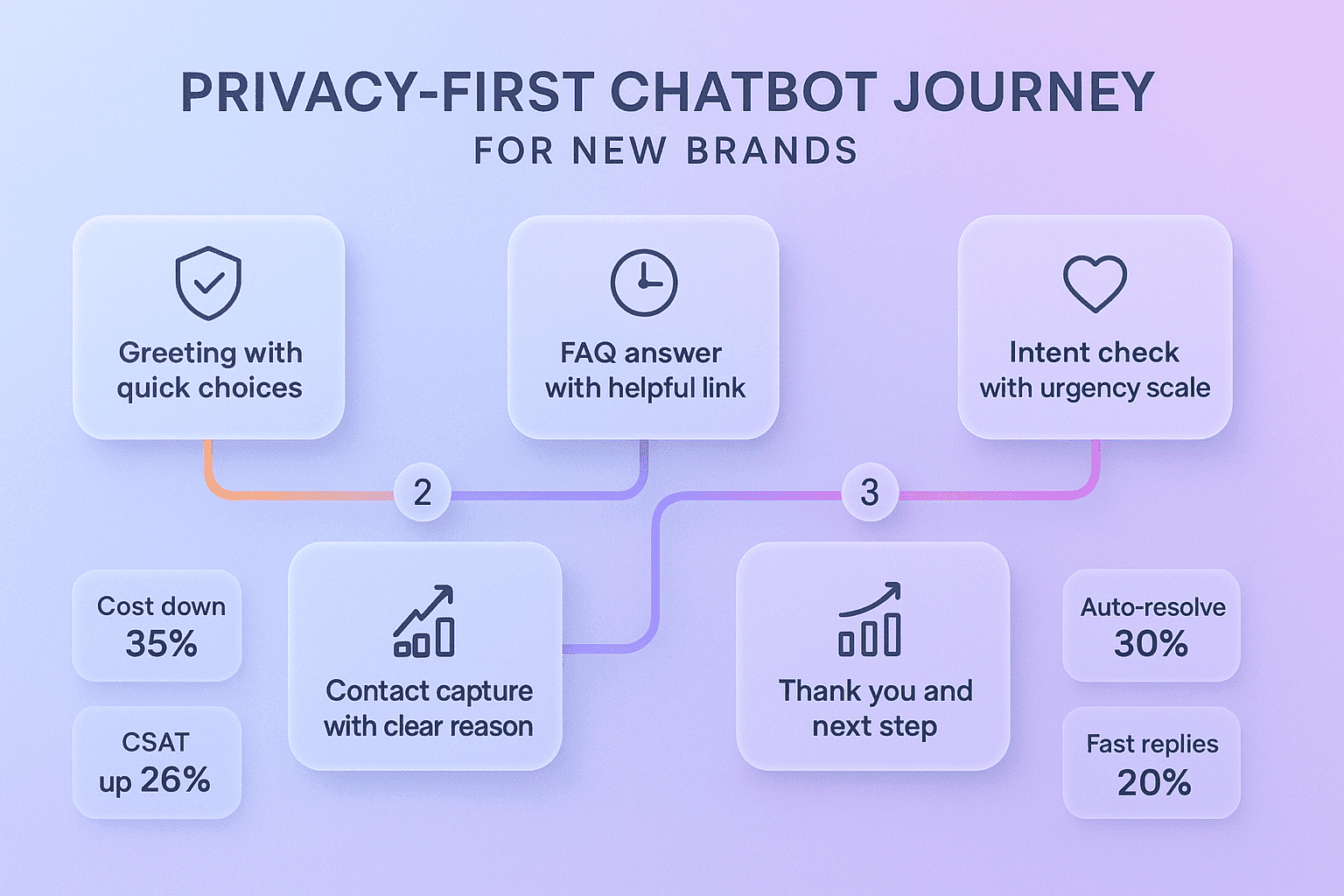
- Ask the Right Questions, Fast: The bot should ask need, role, and timing in a friendly way. It should not feel like a form, but it should qualify well. noem.ai does this like a sales rep would, then follows up across channels when invited. This helps you shift from cold to warm in one visit (ref: Noem.ai ).
- Respect Preferences and Context: Good bots remember what people liked or did not like. They can bring back the right product images or answers next time. This is how trust is built step by step. It also stops repeat questions and speeds up the path to a meeting (ref: Noem.ai ).
- Clear Handoffs When Needed: Some leads want a human now. The bot should hand off with full context so your rep is ready. noem.ai keeps the complete conversation history so your team can jump in fast. This saves time and keeps the tone friendly (ref: Noem.ai ).
- Track What Works: Use analytics to see which questions, offers, or links move the lead forward. Then adjust your flows in minutes. noem.ai supports real‑time analytics and one‑click retraining to help you improve without heavy work. This keeps your system current as your business changes (ref: Noem.ai ).
What “complete conversation history” saves in real life
- No Repeating Yourself: People dislike telling their story twice. With full history, the human sees every step. That means less time re‑asking questions and more time solving. It makes escalations feel smooth and respectful (ref: respond.io ).
- Faster Resolutions: Agents who have context work faster. They avoid blind spots and can focus on the fix, not the search. This lowers handle time and lifts CSAT. It also reduces the chance of a ticket bouncing around (ref: respond.io ).
- Better Coaching and Training: Managers can read the full flow and coach on tone or steps. They can see what the bot handled well and where to improve. This helps both the team and the bot grow together. It builds a steady feedback loop (ref: Noem.ai ).
- Clean Analytics: With complete logs, you can analyze what people ask and what helps them. You can spot gaps in content and fix them fast. This makes your knowledge base stronger over time. It also helps with planning, staffing, and routing (ref: Noem.ai ).
Real‑world trade‑offs when you pick a chatbot
- One Tool or Many: An all‑in‑one stack, like noem.ai, reduces setup and sync work. A piecemeal stack can be flexible but needs more glue. When your team is small, fewer tools often means fewer errors. When you are big, you may want modules and deeper controls (ref: Noem.ai ).
- Super Fast vs Super Custom: A quick Q&A bot can launch in minutes and cut common tickets. A complex suite can match big org needs but takes longer. Start where you get value fastest. Then grow into the depth you need over time.
- AI‑First vs Human‑First: A teammate‑style bot can automate qualifying and common support. A hybrid model leans on agents and uses AI to help. Both work. Pick based on your team size, hours, and goals.
- Budget vs Time: A low entry price is great, but hours also cost. Consider setup time, agent time, and lost leads from slow replies. A tool that saves hours may pay for itself fast. The best pick balances money and time so you can grow (ref: GetApp ).
Side‑by‑side: outcomes you can expect this quarter
- Fewer Tickets: With automation on common questions, teams report up to an 80% drop in ticket load over time. This gives your staff room to focus on high‑value conversations. It also reduces queues during peak season. noem.ai leans into this outcome with a teammate‑style approach (ref: Noem.ai ).
- Faster First Response: Immediate answers keep people engaged. A fast first reply can be the difference between a booked call and a bounce. Chatbase’s quick setup helps cover FAQs fast, while noem.ai aims for instant help plus smart routing. Tidio’s hybrid approach can be quick when agents are ready.
- Better‑Qualified Leads: When the bot asks the right questions and follows up, your pipeline quality goes up. noem.ai is tuned for this. Other tools can do it with more manual setup or human input. The goal is fewer unqualified demos and more real buyers (ref: respond.io ).
- Clearer Insights: Real‑time analytics help you update copy, flows, and offers. You fix the biggest issues first and move on. This steady improvement stacks results week after week. It is simple, but it works (ref: Noem.ai ).
Quick bullets: noem.ai vs competitor features
- noem.ai: Instant lead capture, complete conversation history, sentiment‑aware routing, high ticket reduction potential, no‑code flows, multichannel, and real‑time analytics. Built to act like a sales teammate and reduce manual work as you grow (ref: Noem.ai ).
- Chatbase: Fast Q&A from your content, free tier to test, paid tiers by credits, quick launch, and broad language support. Good for immediate FAQ coverage with a simple setup (ref: Chatbase ).
- Tidio: Hybrid AI and live chat with e‑commerce tools and cart recovery. Friendly entry price and wide adoption among small businesses (ref: GetApp ).
- Intercom: Scalable support suite with routing and analytics for larger teams. Often needs more setup for complex workflows (ref: respond.io ).
- Drift/Warmly: Sales‑focused chat and routing for revenue teams. Useful for account‑based workflows, with deeper human involvement on key deals (ref: respond.io ).
Pricing
- noem.ai: Usage‑based pricing that scales with your use. Helps small teams start fast and grow with clear ROI signals (ref: Noem.ai ).
- Chatbase: Free at 100 messages/month; Hobby $40/month; Standard $150/month. Simple tiers by credits for predictable scaling.
- Tidio: Starts about $29–$32.50/month with options to add users/features. Common for SMB e‑commerce teams.
- Intercom/Drift/Warmly: Pricing often tailored to team size and needs. Plan for more setup time in total cost (ref: respond.io ).
Time to deploy
- noem.ai: Minutes to go live with no‑code builder and continuous knowledge sync; multichannel publish from one place (ref: Noem.ai ).
- Chatbase: Minutes to launch a simple Q&A bot from your website or docs.
- Tidio: Hybrid setup takes longer as you configure AI plus live chat and store workflows.
- Intercom/Drift/Warmly: Longer for full suites with rules, routing, teams, and enterprise needs (ref: respond.io ).
Sentiment analysis
- noem.ai: Built‑in detection for complaints and sensitive issues; routes or escalates with context to protect CSAT/NPS and reduce tickets (ref: Noem.ai ).
- Chatbase: Focus on Q&A; sentiment is not emphasized in common sources (ref: BoldDesk ).
- Tidio: Human‑like chats and handoffs; sentiment not highlighted as a core feature in public reviews (ref: GetApp ).
- Intercom/Drift/Warmly: Strong analytics and routing in suites; rely more on human rules and team playbooks for tone (ref: respond.io ).
How to test: a 7‑day plan you can start today
- Day 1–2: Set up the bot on your top traffic pages. Turn on lead capture and basic FAQs. Check that conversation history is saved and easy to read. Confirm mobile experience is smooth (ref: respond.io ).
- Day 3–4: Add sentiment triggers for refunds, outages, or pricing. Create a warm escalation flow with context for the rep. Send a test email or SMS follow‑up on a hot lead. Watch how fast people get useful help (ref: Noem.ai ).
- Day 5–6: Review analytics and missed questions. Use one‑click retraining or quick edits to close gaps. Update product links and images for key offers. Re‑test handoffs and timing (ref: Noem.ai ).
- Day 7: Compare outcomes against last week: tickets, first response time, meetings booked, and qualified leads. Share results with the team and plan the next update. Small steps weekly make a big change over a month. Keep the loop going (ref: Noem.ai ).
When to choose noem.ai (and when another tool may fit)
- Choose noem.ai if you want an all‑in‑one stack that acts like a sales teammate, with instant lead capture, complete conversation history, and sentiment‑aware routing. This keeps setup simple and results steady. It also means fewer tools to manage and faster updates as your content changes (ref: Noem.ai ).
- Choose Chatbase if you want a quick FAQ bot from your docs and value a free tier to test. It is a fast way to reduce the first wave of questions. You can then decide if you need more structure later (ref: Chatbase ).
- Choose Tidio if you run an e‑commerce store and want hybrid chat with friendly pricing. It is popular with SMBs and can help with cart recovery and store flows. The setup is deeper, but it pays off for retail needs (ref: GetApp ).
- Choose Intercom/Drift/Warmly if you need a larger suite for complex routing and teams. Plan extra time for setup and training. The control and depth can be worth it when your process has many steps (ref: respond.io ).
A final word for business owners pressed for time
You do not need every feature under the sun. You need the few that drive faster replies, better leads, and fewer tickets. noem.ai keeps things simple by focusing on instant lead capture, complete conversation history, and smart sentiment handling in one place. This is how small teams win without adding more tools or more staff (ref: Noem.ai ). If you are ready to try a teammate‑style chatbot, see how fast you can go live at noem.ai, and share what you learn with your team this week.
Ready to capture more leads and cut ticket volume? Start your 7‑day test with noem.ai, compare results against your current tool, and then decide what to scale.
P.S. If you want to see a live demo and get help setting up, book a quick session with noem.ai. You can launch fast, head into the weekend with less stress, and hit Monday with real data in your dashboard. Want a walkthrough on sentiment routing and lead capture? The team at noem.ai is happy to help.