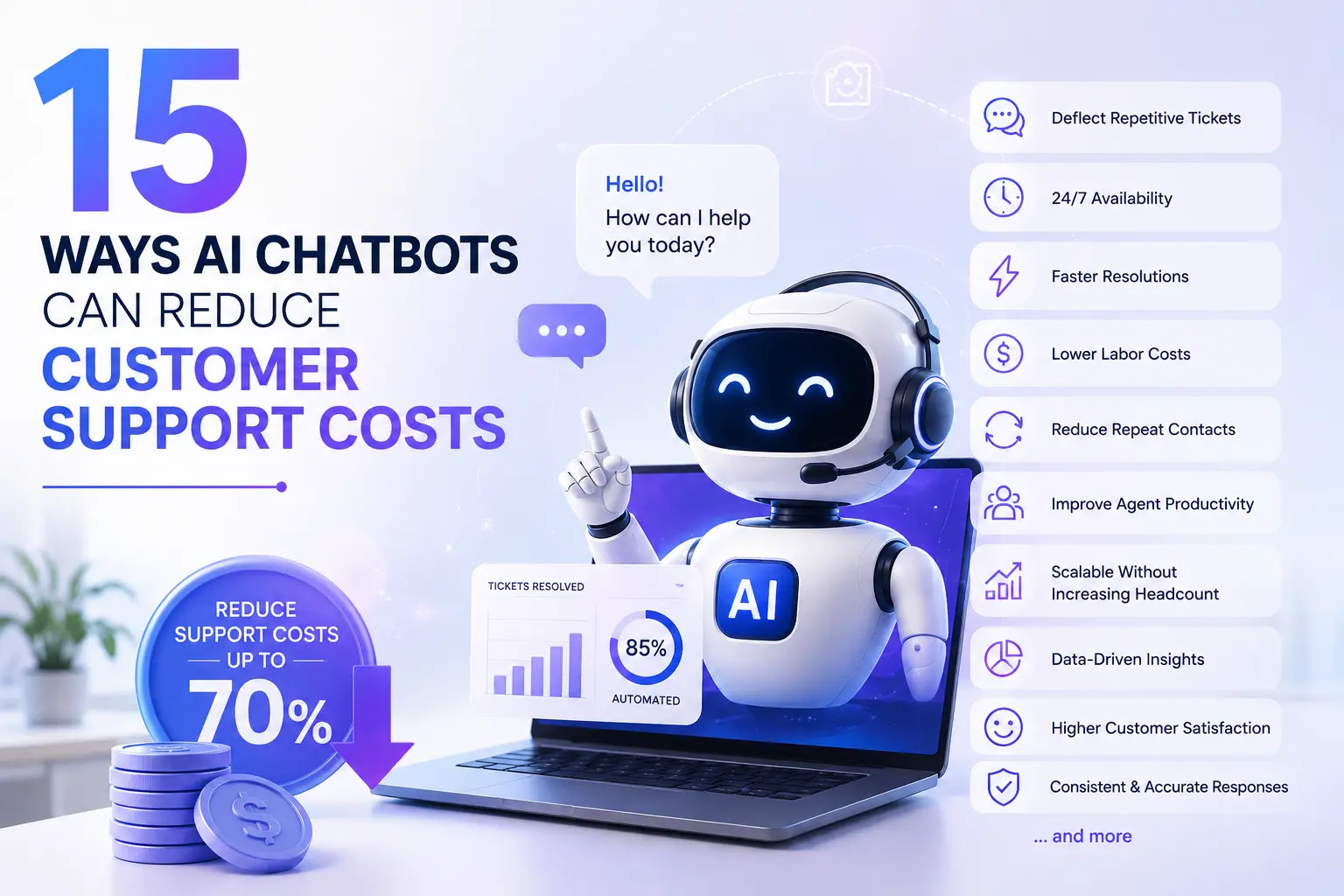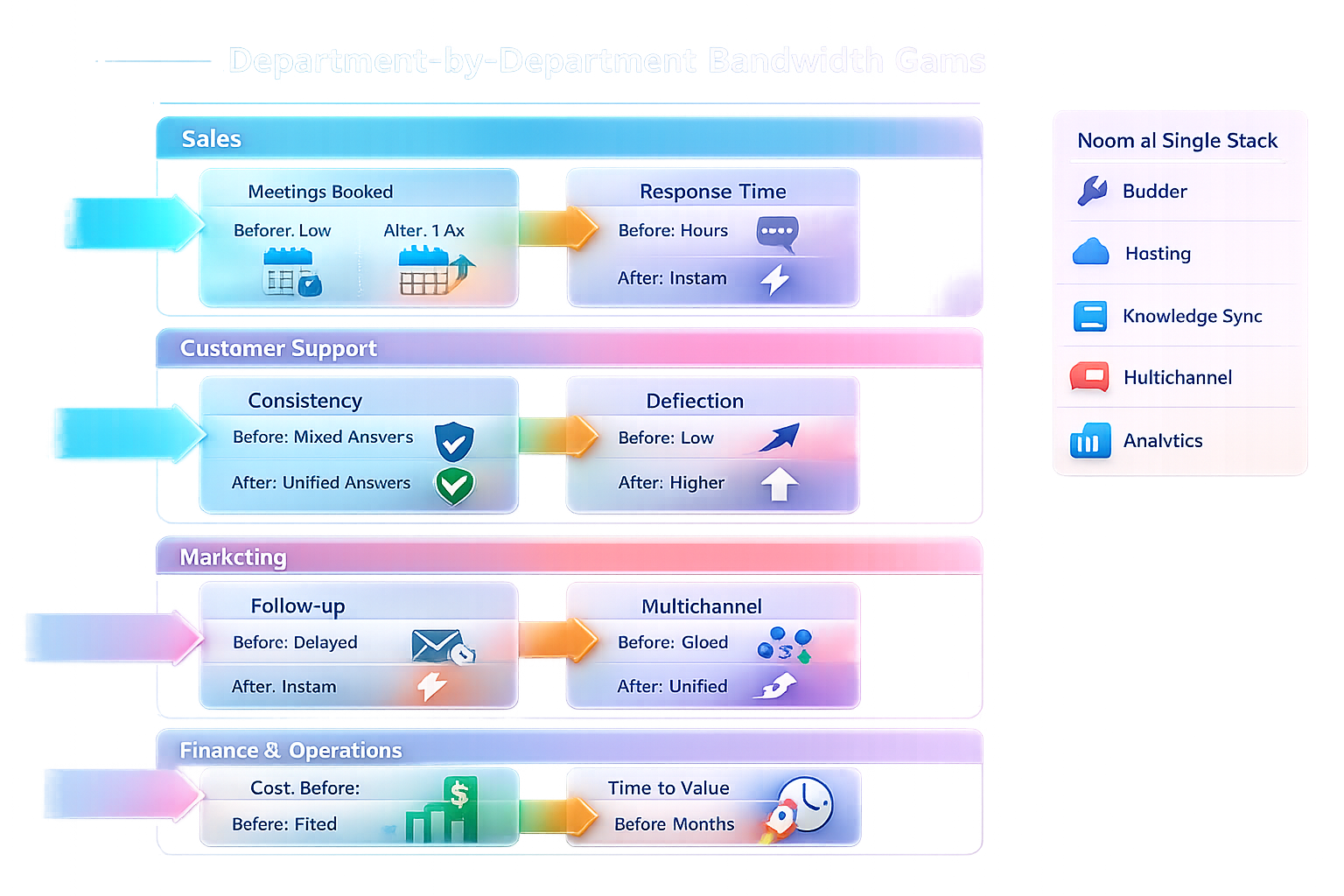
AI chatbots improve customer experience by delivering instant, personalized, and consistent support across every channel your customers use, 24 hours a day.
If your customers mostly reach out during business hours, a support team alone probably works fine. But most businesses aren’t in that situation. Questions come in late at night, carts get abandoned on weekends, and support requests pile up over public holidays when nobody is staffed to answer them.
That’s the gap AI and customer experience strategies are closing right now. Chatbots in customer service handle the moments your team can’t cover, at the volume human teams can’t sustain, without quality dropping between the first conversation and the ten thousandth. According to Metrigy research, companies using AI in customer interactions saw a 22.3% jump in satisfaction scores.
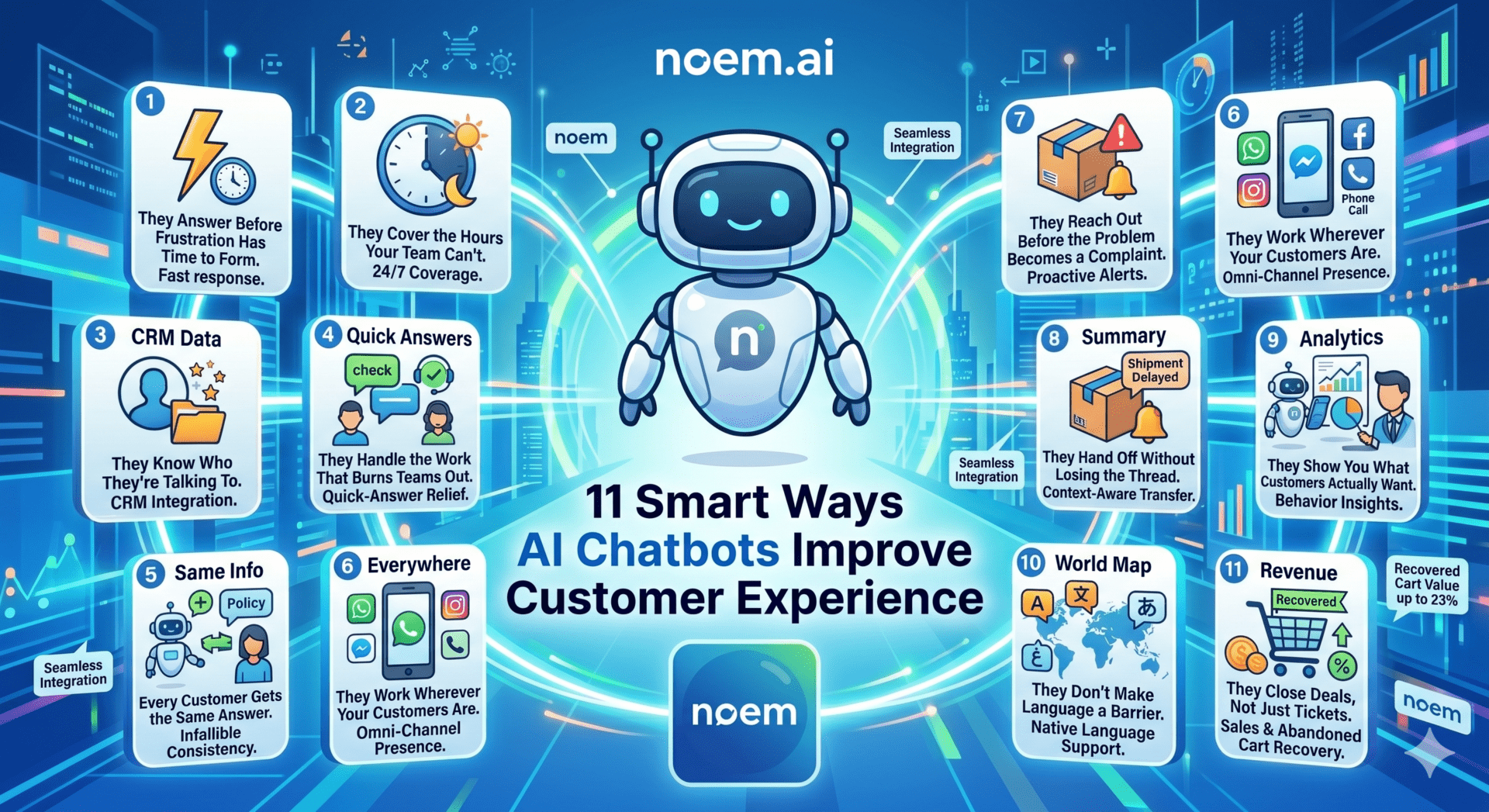
Here are 11 ways How AI chatbots for customer experience change what customers feel when they interact with your brand.
What Does AI and Customer Experience Actually Mean in Practice?
It means a customer gets a useful answer in under five seconds, whether it’s 9 am or 3 am. It means a returning customer doesn’t have to re-explain their order history. It means a business running 50 conversations at once gives each one the same quality of attention.
A chatbot that isn’t connected to your tools, trained on your content, and running on the channels your customers use won’t improve AI and customer experience. It’ll just frustrate people faster.
How Can Chatbots Improve Customer Service? 11 Ways That Actually Work
1. They Answer Before Frustration Has Time to Form
A customer waiting three minutes for a reply has already started forming a negative opinion. Chatbots in customer service cut the wait to near zero. According to Tidio research, 59% of customers expect a response within five seconds. AI chatbots hit that number regardless of time, volume, or day of the week.
There is no queue. No staffing lag. The reply arrives before the customer decides to leave.
2. They Cover the Hours Your Team Can’t
Most support teams are offline when a significant portion of customer activity peaks. Hyperleap AI research shows chatbot usage is highest between 8 pm and 11 pm. That’s not a coincidence. It’s when people are shopping, browsing, and making decisions without a sales team available to help them.
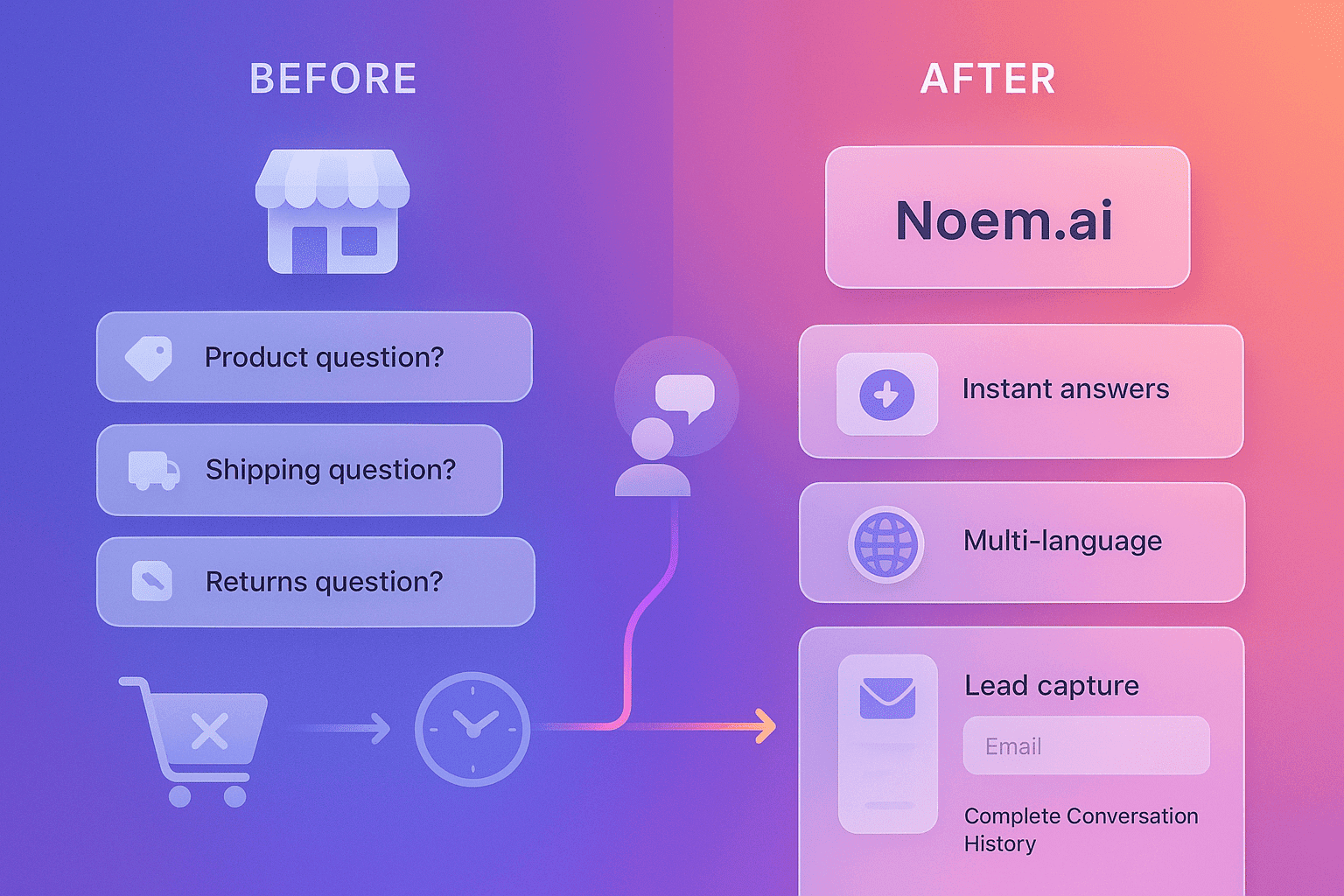
Noem.ai’s AI chatbot for eCommerce keeps that window covered. Questions get answered, carts get followed up on, and customers don’t leave to find a competitor who happens to be more available.
3. They Know Who They’re Talking To
When your chatbot pulls from the CRM, the customer asking about a return gets the answer for their specific order, not a policy paragraph that applies to everyone. How does AI improve customer service at this level? According to Zendesk CX Trends, 67% of consumers say personalization in AI agents leads to better outcomes, and that figure holds consistently across industries.
4. They Handle the Work That Burns Teams Out
Most support teams spend a good chunk of their day on questions that have the same answer every single time. How ai chatbots improve customer experience with that kind of workload? The chatbot takes those questions. Your team gets that time back.
According to the Salesforce State of Service report, 73% of customers already prefer chatbots for quick answers. Noem.ai for marketing and content teams handles exactly that handoff.
5. Every Customer Gets the Same Answer
Ask the same support question to three different agents, and you’ll often get three slightly different answers. Improve customer experience with chatbot removes that inconsistency entirely. The chatbot gives the same accurate answer at noon on Monday and midnight on Friday.
Over time, that consistency does something more important than improve individual interactions. It builds a baseline of reliability that customers notice even if they can’t name it.
6. They Work Wherever Your Customers Are
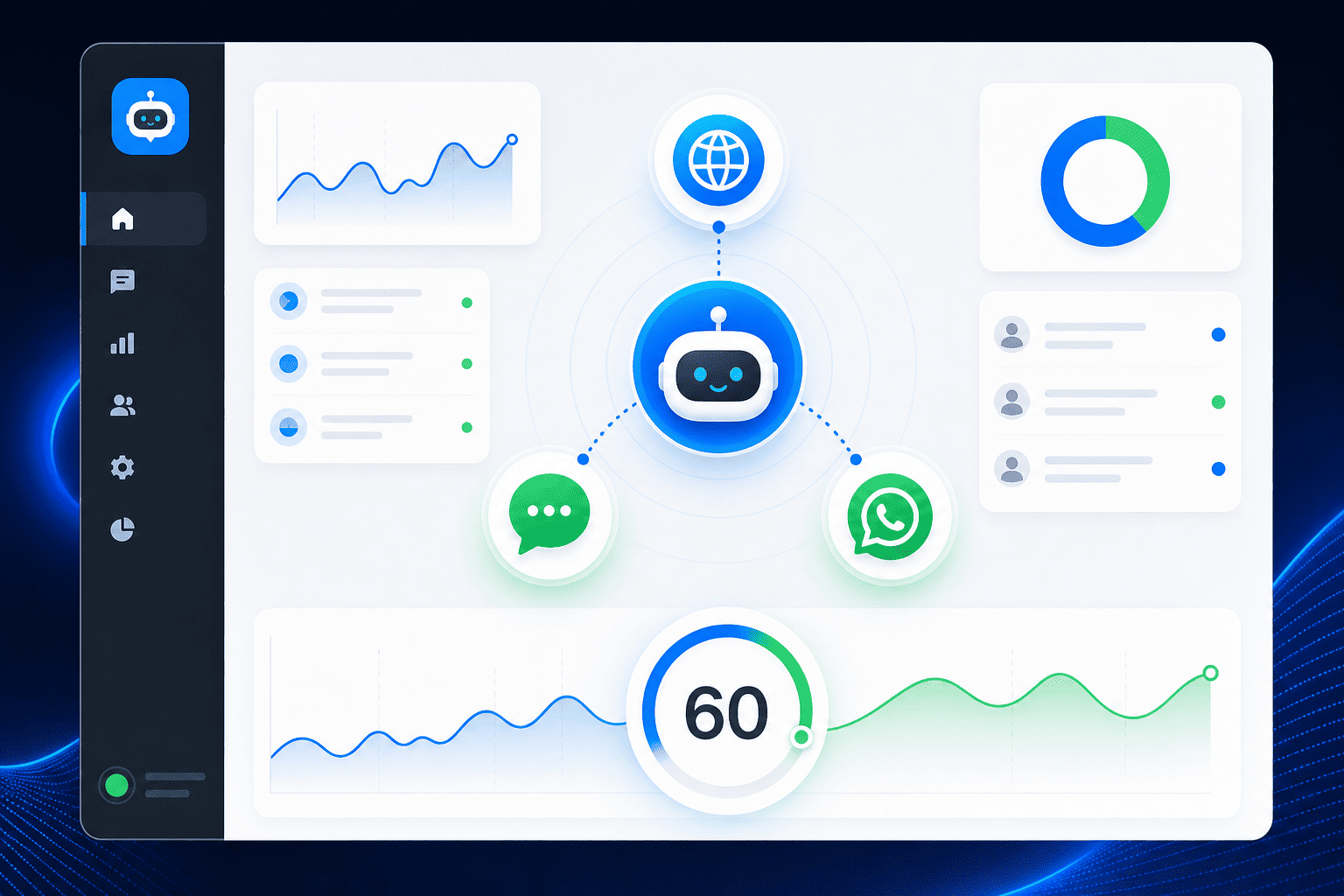
Not all your customers are coming through your website. Some are on WhatsApp. Some are on Instagram. When they get a great experience on one channel and hit a wall on another, they don’t think “partial coverage.” They think the brand is inconsistent. Chatbots for customer experience need to run across all those channels from a single system; you’re just moving the problem around.
| Channel | What the Chatbot Handles |
| Website | Product questions, lead capture, support |
| WhatsApp / SMS | Order updates, booking confirmations |
| Instagram / Facebook | Inquiries, promotions, FAQs |
| Voice | Inbound calls, routing, basic resolution |
7. They Reach Out Before the Problem Becomes a Complaint
Most businesses learn that something went wrong when a complaint arrives. A proactive chatbot flips that. When a shipment is delayed, the customer gets a message before they go looking for answers. AI and customer experience work best when the chatbot is set up to act on events rather than just wait for inbound messages.
See how proactive chatbot flows work in Noem.ai’s demo room.
8. They Hand Off Without Losing the Thread
The handoff is where most chatbot experiences fall apart. The customer gets transferred, and the agent asks them to explain everything again. How AI improve customer service at that moment? The chatbot passes the full conversation to the agent before the transfer completes. The agent already knows what happened. The customer just gets an answer.
9. They Show You What Customers Actually Want
After enough conversations, patterns show up. The same question appears daily. The topic the chatbot keeps getting wrong. The point where customers stop responding. How chatbots improve customer service beyond the individual conversation? That data tells you where your product, your docs, or your onboarding is breaking down before it becomes a support problem.
Noem.ai’s Google Tag Manager integration surfaces that data directly in your existing analytics dashboard.
10. They Don’t Make Language a Barrier
Your customer in Mexico and your customer in Germany expect the same level of response quality. Hiring multilingual agents for every market isn’t realistic for most businesses. Chatbots in customer service handle multiple languages natively, so improving the customer experience with AI Chatbot across international markets doesn’t require expanding your team.
11. They Close Deals, Not Just Tickets
Most businesses deploy a chatbot for support and leave it there. But a chatbot that follows up on an abandoned cart or qualifies a lead before your sales team picks up the phone isn’t a support tool. It’s doing sales work. Chatbots for customer experience earn their place on the revenue side of the business, not just the cost side.
According to Hyperleap AI data, e-commerce businesses recover 23% more abandoned carts using AI chatbot follow-up sequences. That’s revenue that was already walking out the door. Build a revenue-focused chatbot on Noem.ai and run it from day one.
Conclusion
Bigger support teams don’t automatically mean better customer experience. The businesses gaining ground right now figured out where their teams couldn’t be and put AI and customer experience tools in those gaps.
Every conversation your chatbot handles tells you something. Which questions keep coming up, where customers get stuck, and what your team is still getting pulled into. That feedback loop is what makes the whole thing sharper over time.
Start your free 14-day trial on Noem.ai and deploy your first AI chatbot in minutes, no coding required.
Frequently Asked Questions
What is the connection between AI and customer experience?
AI and customer experience connect when a chatbot handles real conversations across real channels using your actual content and customer data. The result is faster response times, consistent answers, and service that runs 24/7 without additional staff. According to Metrigy, companies that use AI in customer interactions saw a 22.3% increase in satisfaction scores.
How does AI improve customer service for small businesses?
How does AI improve customer service for smaller teams? It covers the volume and hours that a small team structurally can’t. A chatbot handles routine questions, follows up on abandoned carts, and qualifies leads overnight without anyone on your payroll doing it. The business runs support around the clock without the headcount to match.
How can chatbots improve customer service without replacing human agents?
How can chatbots improve customer service alongside a human team? By handling the predictable, high-volume workload, agents focus on complex and sensitive conversations. According to Harvard Business School research, AI assistance helped human agents respond 20% faster and with more empathy, not less.
Are chatbots for customer experience actually worth the investment?
Chatbots for customer experience consistently show a positive return. According to Hyperleap AI data, e-commerce businesses recover 23% more abandoned carts using AI follow-up sequences. Companies also report reductions of 30% to 40% in support costs after deploying AI chatbots for routine query handling.
What makes improving customer experience with AI different from traditional chatbots?
Traditional chatbots follow rigid scripts and break the moment a customer phrases something differently. Improving customer experience with AI means using large language models that understand intent, adapt to context, and generate responses that feel like a real conversation rather than a decision tree.