A quick scan of the market shows why this model matters now: home decor brands are using AI to narrow large catalogs, answer product questions at the point of doubt, and escalate high-intent shoppers to people before the sale slips away (ref: Syte).
- Revenue recovery
- Better product discovery
- Faster answers to style questions
- Lower support load
- Higher average order value
- Human handoff for high-consideration sales
Background: Why Home Decor Shoppers Need More Than Search
Home decor is rarely an impulse category. A sofa has scale, fabric, color, delivery lead times, and the unspoken fear that it will look wrong once it arrives. A mirror can solve a room or throw it off. Even a lamp brings questions about warmth, finish, height, and whether it works with what the shopper already owns. That is why product discovery in this category is not just about search bars and filters. It is about confidence, and confidence is built when the store can answer the right question at the right moment (ref: Adobe).
To make this concrete, consider a composite brand called Alder & Finch. It is a mid-sized home decor store with a polished site, strong photography, and a catalog filled with mirrors, accent chairs, lighting, rugs, and storage pieces. Traffic is respectable, but the path from browsing to purchase feels thin. Shoppers land on category pages, click through a few products, then stall. Some cannot describe what they want. Some do not know if walnut, brass, or boucle belongs in the same room. Some simply want to ask a person, but not every question needs a live agent.
The wider market has been moving toward AI-assisted discovery for exactly this reason. Visual search, AI tagging, and recommendation engines help home decor brands serve shoppers who know the feeling they want but not the exact product name (ref: Syte). AI agents can also adapt recommendations based on browsing signals and session behavior, which matters in categories with large assortments and layered purchase decisions (ref: Constructor). In other words, the store does not need more products. It needs a better guide.
The Challenge: Too Many Choices, Too Much Hesitation, Too Little Reassurance
Alder & Finch faced a familiar problem in ecommerce. The brand had enough traffic to grow, but too much of that traffic ended in uncertainty. Visitors were browsing, not deciding. They had style questions, sizing questions, shipping questions, and pairing questions. The site offered product pages and FAQs, but those tools forced shoppers to do too much work on their own.
This matters because home decor purchases involve more mental friction than many other categories. Product pages may list materials and dimensions, yet the real questions are often situational. Will this black floor lamp feel severe in a small room. Does this rug flatten the space or anchor it. Can this bench work in an entryway and later move to the foot of a bed. Adobe describes product discovery as part of consideration, where buyers need help moving from interest to choice, not just from search to click (ref: Adobe).
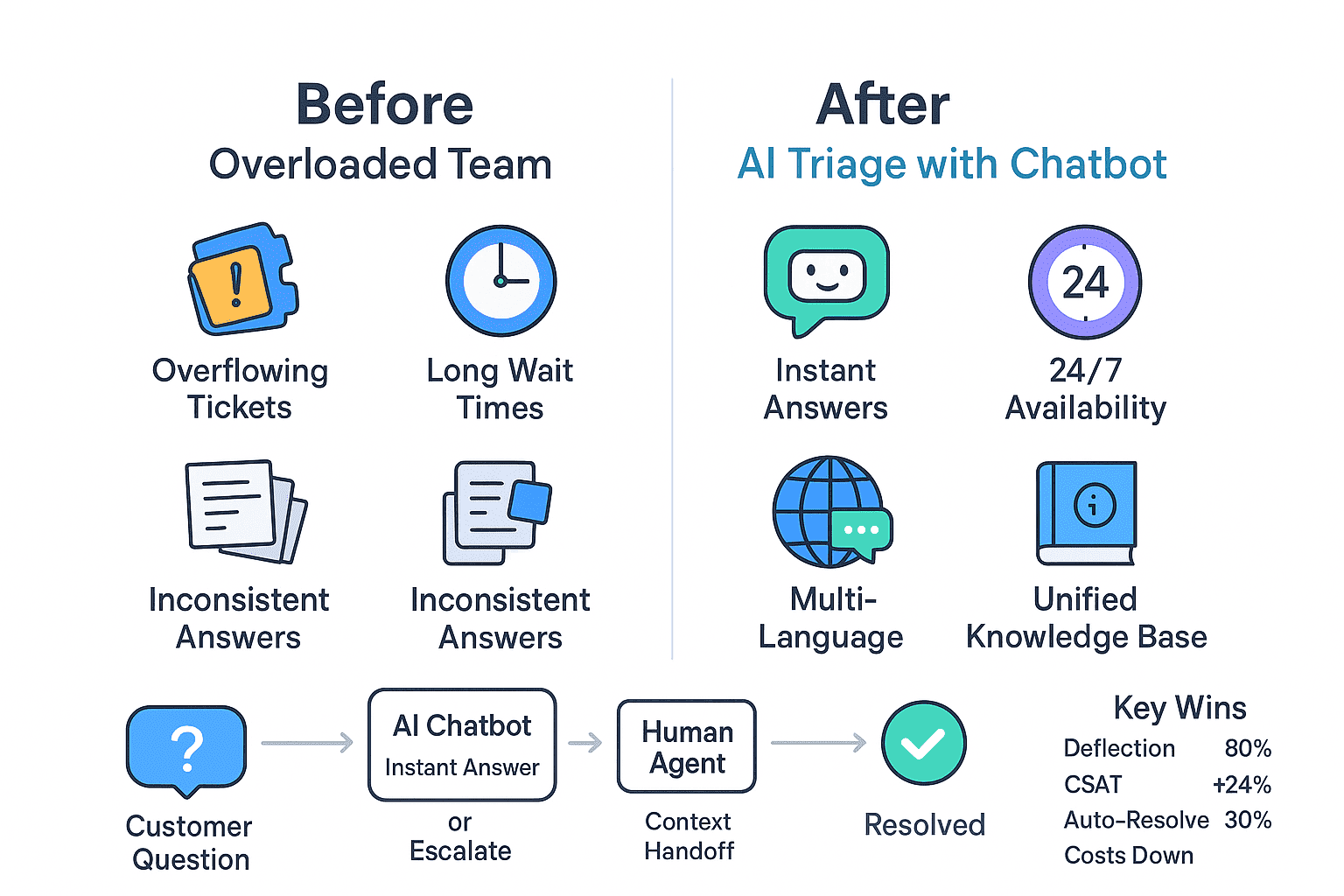
Three pressure points stood out. First, catalog depth created fatigue. A large assortment can signal taste, but it can also leave shoppers circling. Second, support teams were spending valuable time on repetitive questions about delivery windows, returns, dimensions, and availability. Third, high-intent shoppers had no graceful bridge from self-service browsing to a person who could close a more nuanced sale. That gap is costly. Oscar Chat reports that, for home decor brands using AI on site, high-intent lead captures rose by 27% and cart abandonment dropped by 16% within weeks, suggesting that even modest friction removal changes outcomes in a visible way (ref: Oscar Chat).
There was also a more subtle issue. Traditional chatbots often feel transactional. They answer a narrow question, then stop. But style shopping is exploratory. It needs memory, context, and a degree of taste. The store did not need a script. It needed an AI concierge that could guide discovery, answer practical objections, and recognize when a shopper was ready for a human conversation.
The Approach: An AI Concierge Designed for Discovery, Style Questions, and Human Handoff
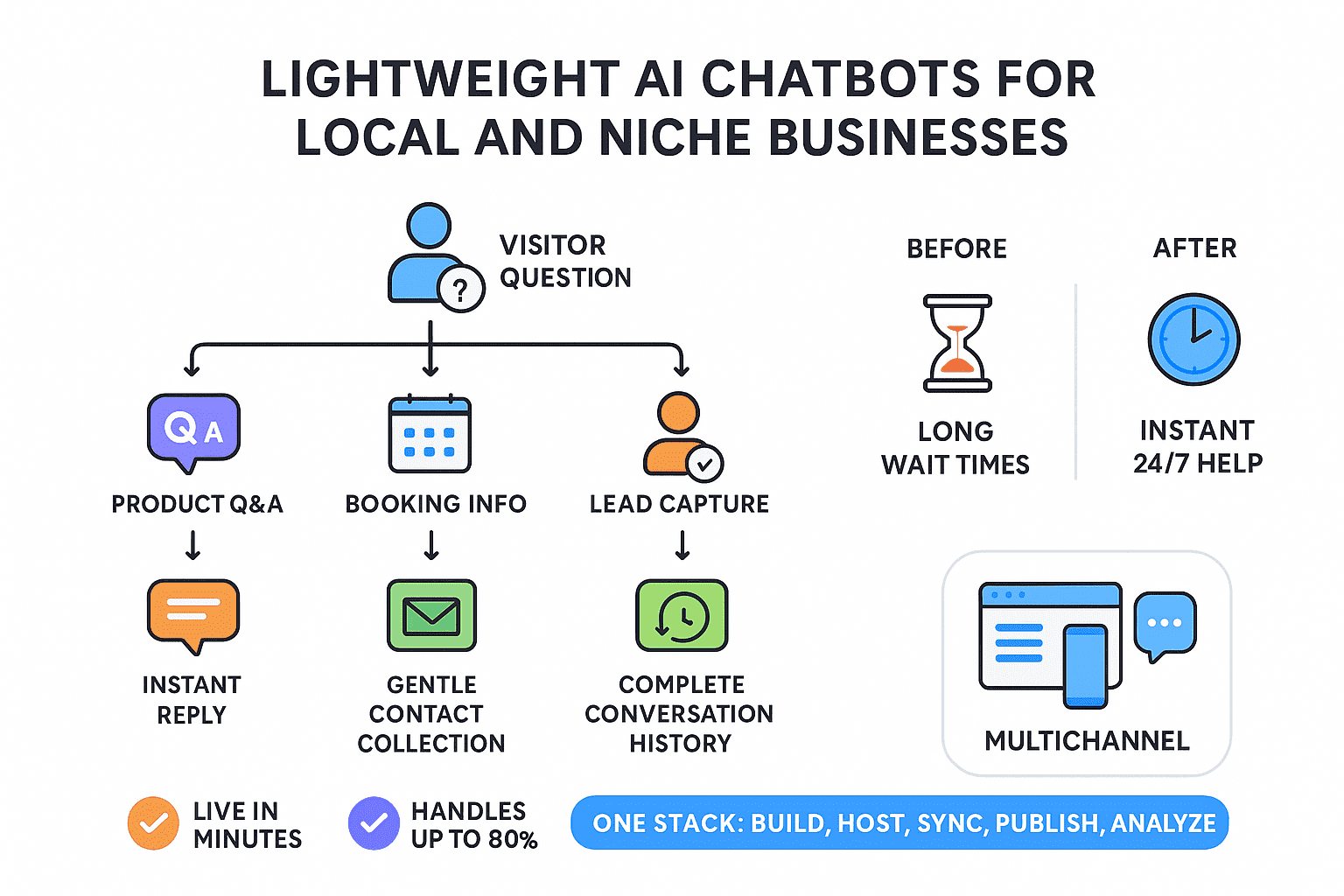
Alder & Finch introduced an AI concierge across key moments in the buying journey. It appeared on category pages to narrow options by room, color, material, and budget. It appeared on product pages to answer questions about dimensions, finishes, lead times, and return policies. It also surfaced during hesitation moments such as repeated visits, exit intent, and abandoned carts. The goal was not to interrupt. The goal was to offer well-timed guidance.
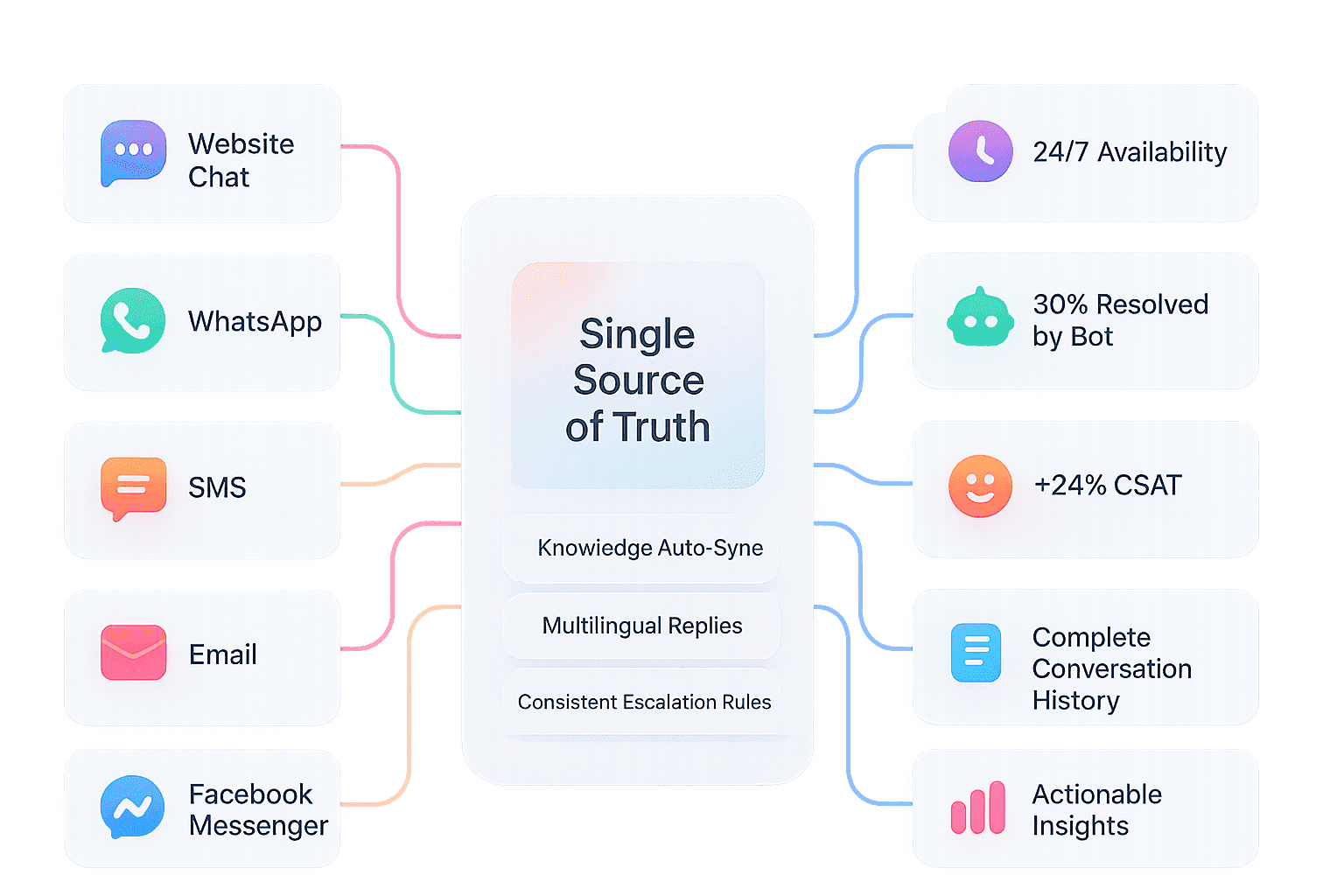
The concierge was configured around three jobs. First, it helped shoppers discover products in plain language. Instead of asking users to think in filter logic, it could respond to prompts like “I need a warm wood coffee table for a small apartment” or “show me wall mirrors for a narrow hallway.” This reflects a broader shift in ecommerce, where AI agents interpret intent and reduce the burden on the shopper to translate taste into search terms (ref: Xcube Labs). In home decor, that translation layer is especially important because shoppers often think in mood boards, not product taxonomies.
Second, it handled style questions with specific, usable answers. It could explain whether a travertine side table would sit comfortably with brushed brass lighting, whether a performance fabric made sense in a home with children, or how to choose a rug size for a sectional. It also recommended complementary products, room collections, and close substitutes when an item was unavailable. Syte notes that visual search and AI tagging are particularly effective in home decor because many shoppers cannot easily name what they want, but they can recognize it when they see it (ref: Syte). Tolstoy further highlights the role of video, demos, and unboxing content in reducing uncertainty and accelerating purchase confidence (ref: Tolstoy).
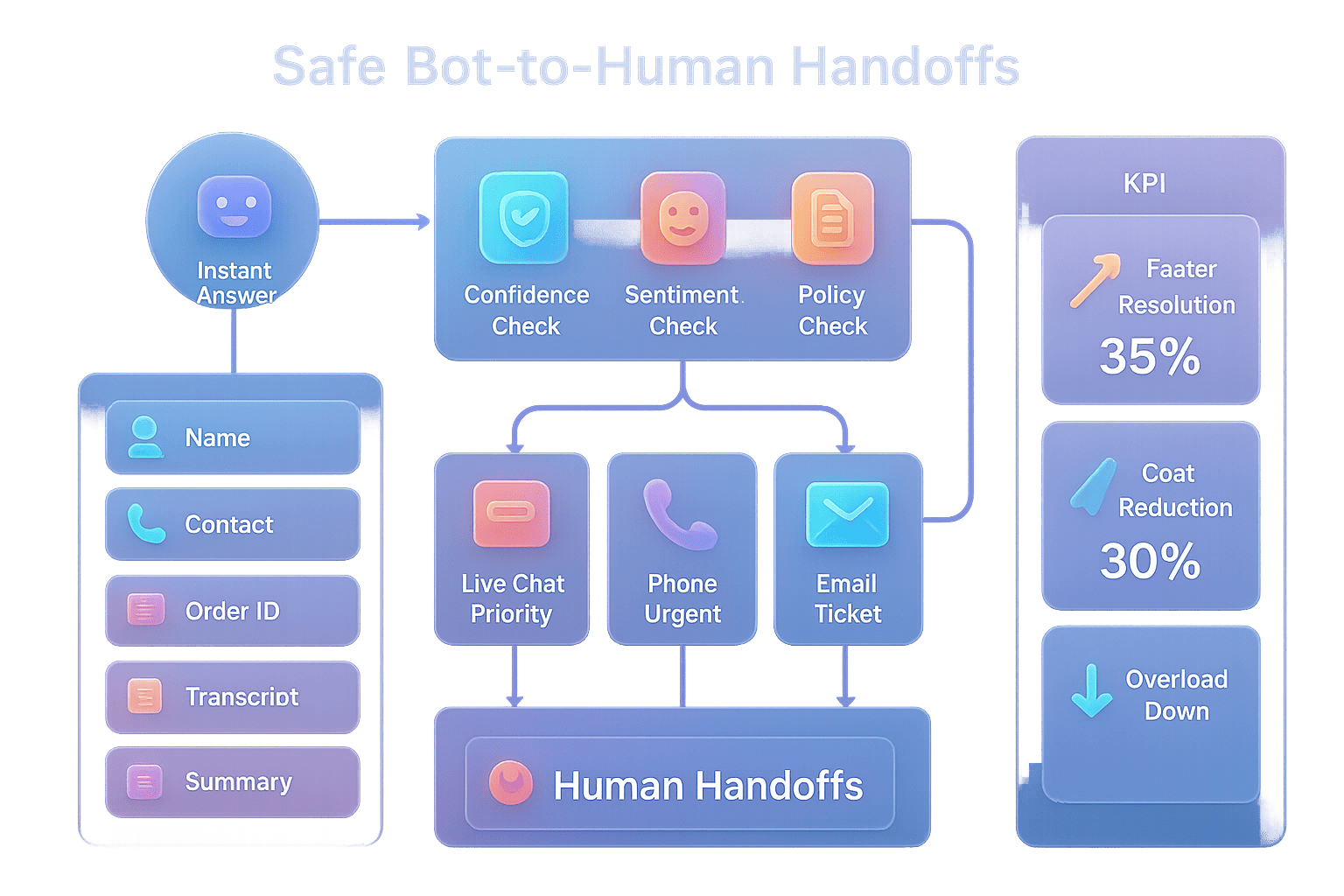
Third, the system was built with human handoff in mind. When a shopper asked about room planning, trade discounts, custom dimensions, or delivery timing for a larger order, the concierge did not pretend to be enough. It gathered context, summarized the session, and handed the conversation to a sales or support specialist. This hybrid model matters. Rep AI describes AI concierges as more than chat tools because they assist discovery and route high-value moments to people, preserving intent rather than losing it between channels (ref: Rep AI).
Alder & Finch also kept the tone refined. The concierge did not overtalk. It offered a short recommendation set, a clear rationale, and a next step. That restraint matters in luxury-leaning categories. The experience should feel informed, not intrusive.
What Changed: The Results Were Financial, Operational, and Behavioral
The strongest evidence for this model comes from real implementations in adjacent home and lifestyle ecommerce brands. Rep AI reports that a Shopify-based home decor brand achieved a 33.85% conversion rate on abandoned carts and recovered more than $220,000 in sales in just 60 days after deploying its digital concierge (ref: Rep AI). The same case study reports a 22% conversion rate on product pages, producing an additional $119,000 in revenue from concierge-assisted engagement (ref: Rep AI). Those are not vanity metrics. They point to better timing, better answers, and less hesitation.
For Alder & Finch, the pattern was similar even if the exact revenue base differed. The concierge began recovering shoppers who were already close to buying but needed reassurance. It converted more product page visits because questions were answered before the visitor bounced to another tab, another retailer, or a mental note to return later. It also lifted basket quality by recommending coordinated pieces rather than isolated products. In home decor, the sale is often not a single item. It is a small room story.
There were operational gains as well. Rep AI highlights a case in which Body Align deflected 90% of routine support tickets, increased average order value by 41%, and generated $16,000 in new sales in the first week after implementation (ref: Rep AI). While that brand sits outside classic home decor, the mechanics are transferable because the lift came from answering repeat questions quickly and guiding shoppers toward better-fit purchases. Oscar Chat adds another useful data point for decor merchants, noting a 27% increase in high-intent lead capture and a 16% drop in cart abandonment after AI integration (ref: Oscar Chat).
Behavior on site improved too. Shoppers viewed more related products per session, which suggests that recommendations were not random add-ons but relevant extensions of intent. Support teams spent less time on repetitive delivery and returns questions, freeing them to focus on nuanced cases that benefit from judgment. This is where the concierge earns its place. It does not remove the human layer. It protects it.
A useful benchmark from a premium lifestyle brand reinforces the point. Rep AI reports that Harney & Sons saw a 250% increase in conversions when customers engaged with its AI concierge, with a 24% conversion rate in AI-assisted sessions (ref: Rep AI). While tea is not furniture, the similarity lies in guided discovery and confidence-building. When the customer feels seen, the path to purchase becomes shorter and calmer.
Why It Worked: The Concierge Solved the Last Few Feet of the Sale
Many ecommerce teams spend heavily to win the click, then underinvest in the final moments before purchase. In home decor, those last few feet are where uncertainty gathers. The shopper may like the item, but still wonder about finish, proportion, compatibility, shipping, returns, or whether a similar piece might suit the space better. The AI concierge worked because it lived exactly in that zone. It reduced uncertainty when uncertainty was highest.
The first mechanism was personalization without friction. Instead of forcing a shopper through rigid navigation, the concierge used session cues and language inputs to shape better recommendations. Adobe describes AI-guided discovery as a way to move customers through consideration with more relevant interactions and less effort (ref: Adobe). Constructor makes a similar point, showing how AI agents can use behavioral signals to improve product discovery in real time (ref: Constructor). In practical terms, that means the store begins acting more like a stylist and less like a shelf.
The second mechanism was speed. Home decor shoppers often leave not because they reject the item, but because they postpone the decision. A short delay becomes a lost sale. Immediate answers can interrupt that drift. If the concierge can clarify that a rug is suitable for high-traffic use, or that a floor lamp ships in five business days, the decision remains alive. Tolstoy’s work on AI concierge experiences also points to the value of video and rich product context in helping buyers feel comfortable faster (ref: Tolstoy).
The third mechanism was discernment about when to involve a person. High-consideration purchases still benefit from human judgment. The concierge was effective not because it replaced people, but because it identified when a person could matter most. By the time a specialist joined, the conversation already contained product interest, room context, objections, and timing. That handoff felt smooth instead of repetitive. A refined customer experience often depends less on novelty and more on the absence of wasted motion.
Lessons for Ecommerce Teams Considering the Same Move
If you are evaluating an AI concierge for a home decor store, the case offers several practical lessons. These lessons are less about software selection and more about how to use the tool with discipline. The brands seeing real gains are not adding a chatbot as decoration. They are placing guided assistance at moments where uncertainty blocks revenue (ref: Oscar Chat).
- Start with high-friction pages: Product pages, category pages, and abandoned cart moments usually offer the clearest return because they sit close to intent. A shopper in these zones has already done some work and needs help finishing the decision. Rep AI’s reported 22% product page conversion rate and 33.85% abandoned cart conversion rate show how much value lives near the point of hesitation (ref: Rep AI). That is where an AI concierge can pay for itself fastest.
- Train for style, not just support: A decor concierge should answer more than delivery questions. It should understand room types, materials, color relationships, scale, and common pairing logic. Syte’s emphasis on visual discovery and AI tagging is useful here because shoppers often express taste visually rather than verbally (ref: Syte). The richer the style understanding, the more natural the recommendations feel.
- Build handoff rules early: Not every conversation should stay with AI. Set clear triggers for room design advice, custom orders, trade inquiries, bulk purchases, and repeat questions that signal purchase anxiety. Rep AI’s case studies suggest that the hybrid path, where AI qualifies and humans close, is a core reason assisted sessions outperform unassisted ones (ref: Rep AI). A poor handoff wastes trust. A good one preserves momentum.
- Measure more than chat volume: The right metrics are revenue recovered, conversion rate on engaged sessions, average order value, lead capture, support deflection, and time to answer. Oscar Chat’s reports of 27% higher lead capture and 16% lower cart abandonment are useful because they connect the tool to commercial outcomes, not just conversation counts (ref: Oscar Chat). If the metrics stop at engagement, the evaluation remains incomplete.
- Keep the experience quiet and precise: In a premium setting, the assistant should not feel loud. It should offer a concise set of options, a reason for each suggestion, and an easy way to speak with a person. Adobe’s framing of discovery as part of consideration supports this restrained approach because the job is to reduce effort, not create more of it (ref: Adobe). Good assistance is often measured by how little strain the customer feels.
Ready to Test It on Your Store?
The lesson from this case study is simple and transferable. In home decor, shoppers do not just buy objects. They buy fit, proportion, mood, and reassurance. An AI concierge can support all four when it is trained for discovery, grounded in product truth, and paired with a clean human handoff. The published benchmarks are strong enough to justify a serious pilot, from $220,000 in recovered sales over 60 days to a 41% rise in average order value in assisted contexts and a 16% drop in cart abandonment in home decor environments (ref: Rep AI; ref: Oscar Chat).
If you pilot one, begin with a narrow brief. Let the concierge handle product discovery, style guidance, shipping and returns questions, and escalation rules for high-value conversations. Then watch what happens to recovered carts, product page conversion, qualified leads, and basket size over the next 30 to 60 days. In a category built on taste and confidence, the quiet ability to answer one more question at the right time may be the difference between browsing and buying. What would change in your store if every hesitant shopper had a well-informed guide beside them (ref: Tolstoy)?