When you look at today’s sales landscape, it is easy to focus on tools first. There are CRMs, engagement platforms, data providers, call analyzers, and AI copilots everywhere you look, and they all promise more pipeline. But the simple truth is that buyers choose vendors based on how the conversation feels, how clear the answers are, and how consistent the follow‑through is across channels. Tools are the vehicle, but conversations are the destination, and that is what wins deals and renewals. In this post, we will review the top 10 sales tool categories and then show why conversation quality, continuity, and context matter far more than any single app in your stack.
Modern guides widely agree that CRMs, sales engagement platforms, and intelligence tools are the backbone of a high‑performing sales engine, with leaders like HubSpot, Salesforce, Outreach, Apollo, and Highspot often cited across expert roundups and market breakdowns (ref: monday.com, Outreach, La Growth Machine, Highspot). Even so, your best tool is still the next helpful conversation you have with a buyer. Companies that connect every chat, call, email, and DM into one clear storyline build trust faster, reduce repeat questions, and move deals forward with less friction. That is the real difference between a noisy tool stack and a revenue engine that feels simple and helpful to every customer.
The Top 10 Sales Tools You Need in 2026
- CRM Platforms (Salesforce, HubSpot, Pipedrive, Zoho): Your CRM is the system of record for people, accounts, and deals, and it is where your team should see every activity in one place. Strong guides highlight this foundation as non‑negotiable for visibility and coaching across the whole revenue team (ref: monday.com). Look for flexible objects, robust APIs, and clean automation to keep data tidy without adding heavy process. Good CRM hygiene also ensures that every conversation is linked back to real context, not siloed notes or guesswork.
- Sales Engagement & Sequencing (Outreach, Apollo, Default): Sales engagement tools help teams send timely, respectful sequences across email, phone, LinkedIn, and sometimes SMS. Expert roundups detail how these platforms simplify prioritization and minimize busywork for SDRs and AEs (ref: Default, La Growth Machine). The best setups keep messages relevant and spaced well, so outreach feels like a conversation instead of a blast. When connected to your CRM, each touch adds to the story rather than starting over from scratch.
- Sales Intelligence & Data (ZoomInfo, Cognism, Apollo, SalesIntel): Data providers help you find the right people and understand their world before you ever reach out. They are frequently included in top‑tools lists because intent signals and accurate contacts shorten the path to a useful first call (ref: monday.com, La Growth Machine). The point is not just volume; it is having the context to open with value and empathy. When reps can reference role, industry, or active research topics, it sets a helpful tone from message one.
- AI Sales Copilots (HubSpot AI, Zeliq, note‑takers): AI copilots now summarize calls, draft follow‑ups, and highlight risks, which frees reps to listen better. Current tool roundups show a sharp rise in AI for prospecting and deal guidance across the sales cycle (ref: Zeliq, monday.com). The goal is not to replace real discovery but to capture it more clearly and act on it faster. When your AI adds clean notes back into your CRM, every future touch stays aligned to what the buyer actually said.
- Conversation Intelligence (Gong‑style platforms, AI call analyzers): Recording and analyzing calls turns one‑off moments into teamwide learning. Reviews describe how features like talk/listen ratio, keyword highlights, and competitor mentions drive better coaching and messaging (ref: monday.com). This helps leaders spot repeat objections and share the best answers faster. It also makes your pipeline reviews about real conversations, not just activity counts.
- Revenue Intelligence & Forecasting (Outreach, Aviso, Anaplan): Forecasting tools surface deal risk and next steps without endless spreadsheet wrangling. Expert posts explain how these platforms use CRM and activity data to flag late stage stalls, missing champions, or unclear next meetings (ref: Outreach). When forecasts tie back to actual notes and transcripts, coaching becomes specific and fair. That means your 1:1s focus on planning the right conversation, not debating spreadsheets.
- Sales Enablement (Highspot, Seismic‑style): Enablement platforms make it easy to find and share the right deck, one‑pager, or FAQ at the exact moment it is needed. High‑quality guides emphasize how enablement unifies content, training, and insights for sellers on the front line (ref: Highspot). Great enablement keeps answers consistent across every rep and channel. It also shows which content gets viewed so you can tailor follow‑ups to what the buyer actually cared about.
- Prospecting Tools & Extensions (LinkedIn Sales Navigator, Hunter, Waalaxy, extensions): Prospecting add‑ons speed up finding, checking, and contacting leads where they already spend time. Curated lists call out how these tools turn cold outreach into warmer, context‑rich touches with less tab‑switching (ref: Default, Highspot, La Growth Machine). The right setup nudges you toward thoughtful messages, not generic blasts. That builds trust step by step before the first meeting even happens.
- All‑in‑One GTM Suites (HubSpot, Keap, Zoho): Unified platforms reduce tool sprawl so teams can work from one source of truth. Roundups often recommend these for small teams that need sales, marketing, and service in one workspace to stay organized (ref: monday.com). When your GTM tools share the same contact and activity data, buyers stop feeling like they are talking to multiple companies. This is especially helpful for handoffs from SDR to AE, and later from AE to onboarding and success.
- Support, CX, and Live Chat (help desks, chat widgets, knowledge bases): Support is a huge sales lever because renewals and referrals depend on how people feel after the sale. Industry trend reports consistently show that expectations for quick, connected help have climbed, including around‑the‑clock options and seamless handoffs (ref: Outreach, Highspot). Live chat, self‑service content, and smart routing raise satisfaction without skyrocketing overhead. Most of all, they keep your promise consistent from the first demo through every renewal conversation.
Why Conversations Matter More Than Any Single Tool
Great tools only matter when they produce great conversations. Buyers want to be understood, get clear answers, and feel continuity from first touch to renewal. That means your team must show the same knowledge, the same tone, and the same context across chat, email, phone, and social. When you line up your stack around the conversation itself, you save time for both the buyer and the rep, and you stop repeating the same questions on every channel. Below are the six conversation outcomes that most affect win rates and loyalty—and how to achieve them with a smart, modern stack.
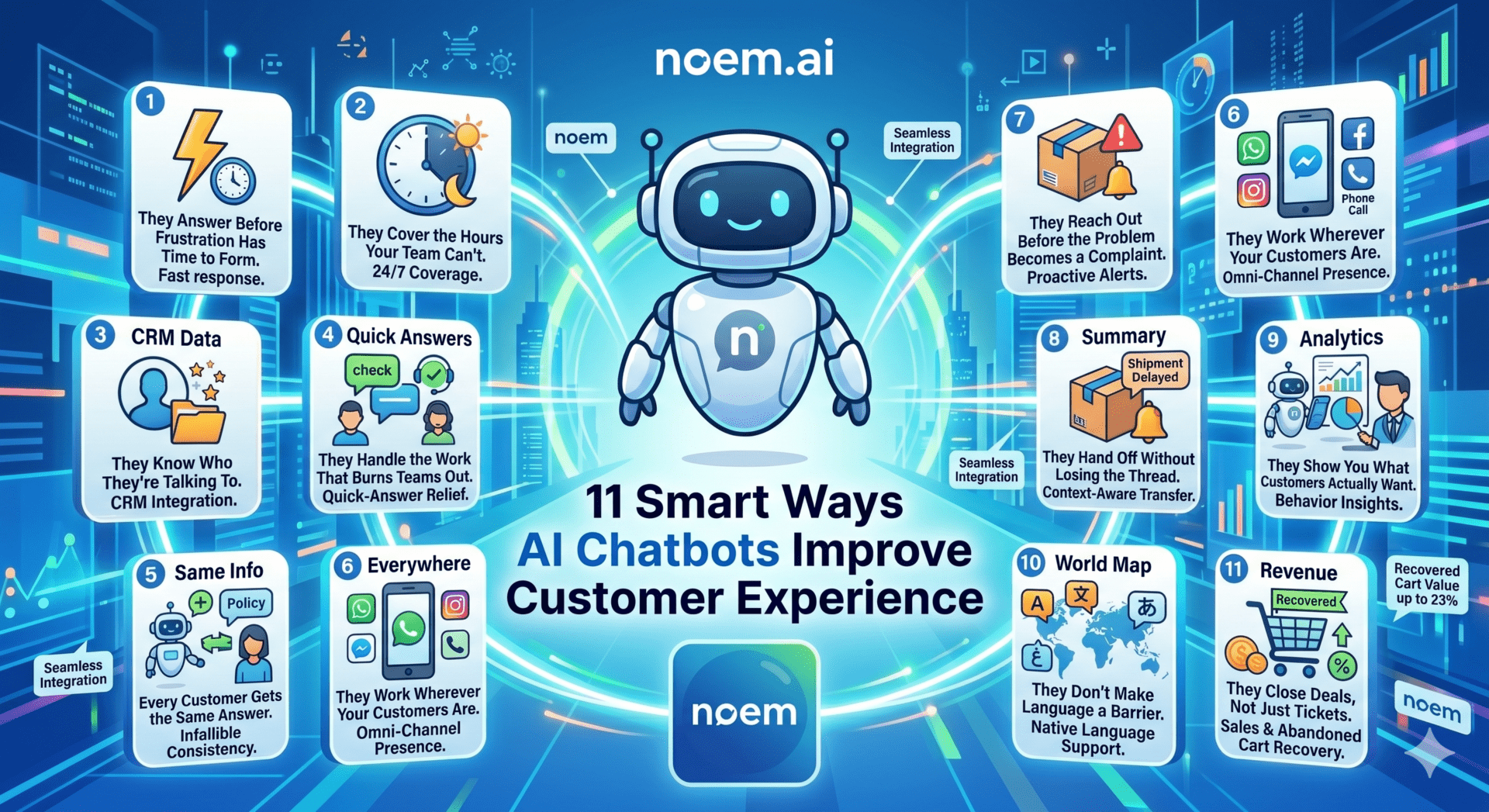
- Consistent Answers Across Channels: Consistency builds trust because it proves your story does not change when the channel changes. Industry overviews and tool roundups repeatedly push unified data and enablement for this very reason—one answer everywhere, not many versions in many folders (ref: Highspot, monday.com). When your CRM, enablement, and chat share the same knowledge base, sales and support are always on the same page. That keeps promises made in discovery matched with delivery in onboarding and beyond.
- 24/7 Customer Support Availability: People research on their own schedule, not just business hours. CX trends broadly show that buyers expect quick help, self‑service options, and round‑the‑clock responsiveness for basic questions (ref: Highspot). You can meet this standard by mixing well‑designed chatbots for FAQs with smart escalation to humans for complex issues. Done right, you get speed without sacrificing care.
- Multi‑Lingual Customer Support: Selling globally means serving globally, and language can be the biggest barrier to a deal. Many modern tool roundups highlight multilingual features and translation assist as must‑have capabilities for scaling outreach and service (ref: La Growth Machine). A multilingual knowledge base and bot can cover common questions in many languages while routing sensitive topics to native speakers. This keeps answers consistent across languages, not just loosely translated.
- Reduced Support Costs: Support gets expensive when the same questions repeat and tickets bounce around teams. Expert posts regularly recommend self‑service, searchable content, and proactive chat to shift simple questions away from long queues (ref: Highspot, Outreach). When you deflect repetitive issues to fast, accurate self‑help, your human experts can focus on deeper customer goals. That lowers cost per contact while keeping the experience warm and effective.
- Complete Conversation History: The top reason customers get frustrated is having to repeat themselves. Strong CRMs and conversation tools help you capture emails, calls, chats, and notes in one clear thread so anyone can pick up where the last person left off (ref: monday.com). This makes handoffs painless from SDR to AE, and later to onboarding and success. A clean history also reduces errors, speeds problem solving, and makes your team look buttoned‑up and trustworthy.
- Actionable Customer Insights: Calls, chats, and tickets are not just logs—they are a map of what customers value and what they fear. Conversation intelligence and revenue tools turn that map into next best actions for deals and product roadmap decisions (ref: Outreach, monday.com). When you tag objections, track themes, and connect outcomes to behaviors, every rep learns faster. Over time, this makes your messaging tighter and your demos clearer.
How to Make Your Stack Conversation‑Led (Not Tool‑Led)
Shifting from tool‑first to conversation‑first does not require a massive rebuild. It takes a few smart moves that align your stack around the moments that matter most for buyers. These moves reduce friction for your team, improve data quality, and show customers that you remember what they said last time. The best part is that each step also pays off in cleaner forecasting and sharper coaching because every action connects back to a real interaction. Use the checklist below to guide your next quarter of improvements.
- Centralize the Conversation Record in Your CRM: Start by making sure every email, meeting note, call transcript, and chat session rolls into the same contact and account. Many teams follow best practices from market guides by standardizing fields and naming conventions so no detail gets lost (ref: La Growth Machine). This turns your CRM from a ledger into a narrative that anyone can understand in minutes. When leadership reviews deals, the real story is ready on the screen.
- Connect Enablement to Live Answers: Link your enablement hub to your chat and email templates so the latest approved answers show up where reps type. Leading enablement content shows why this matters: it keeps messaging aligned and reduces “off‑brand” improvisation (ref: Highspot). When product updates go live, they flow into the answers reps use every day. That is how you keep all channels saying the same thing.
- Automate Missed‑Question Loops: Every time a bot or rep cannot answer a question, capture it, route it, and improve your knowledge base. Guides to modern sales operations call this closing the loop so the same question is not missed twice (ref: Zeliq). Over a few weeks, you will see fewer stalls and faster answers. This approach steadily lowers support costs without cutting quality.
- Use Conversation Intelligence for Teamwide Learning: Tag key topics, objections, and competitor mentions and share winning responses in weekly notes. Forecasting and intelligence write‑ups emphasize how these patterns drive better pipeline calls and more confident demos (ref: Outreach). Make it easy for reps to find examples of great calls and reuse the lines that worked. That way, your best conversations spread across the whole team.
- Measure What Buyers Feel, Not Just What Reps Do: Activity counts matter, but outcomes in conversations matter more. Many tool roundups recommend tracking response time, first contact resolution, and follow‑up clarity, not only dials or email volume (ref: monday.com). When you coach to outcomes, your reps think about helping first and selling second. Ironically, that is what sells best.
Where noem.ai Fits in a Conversation‑Led Sales Stack
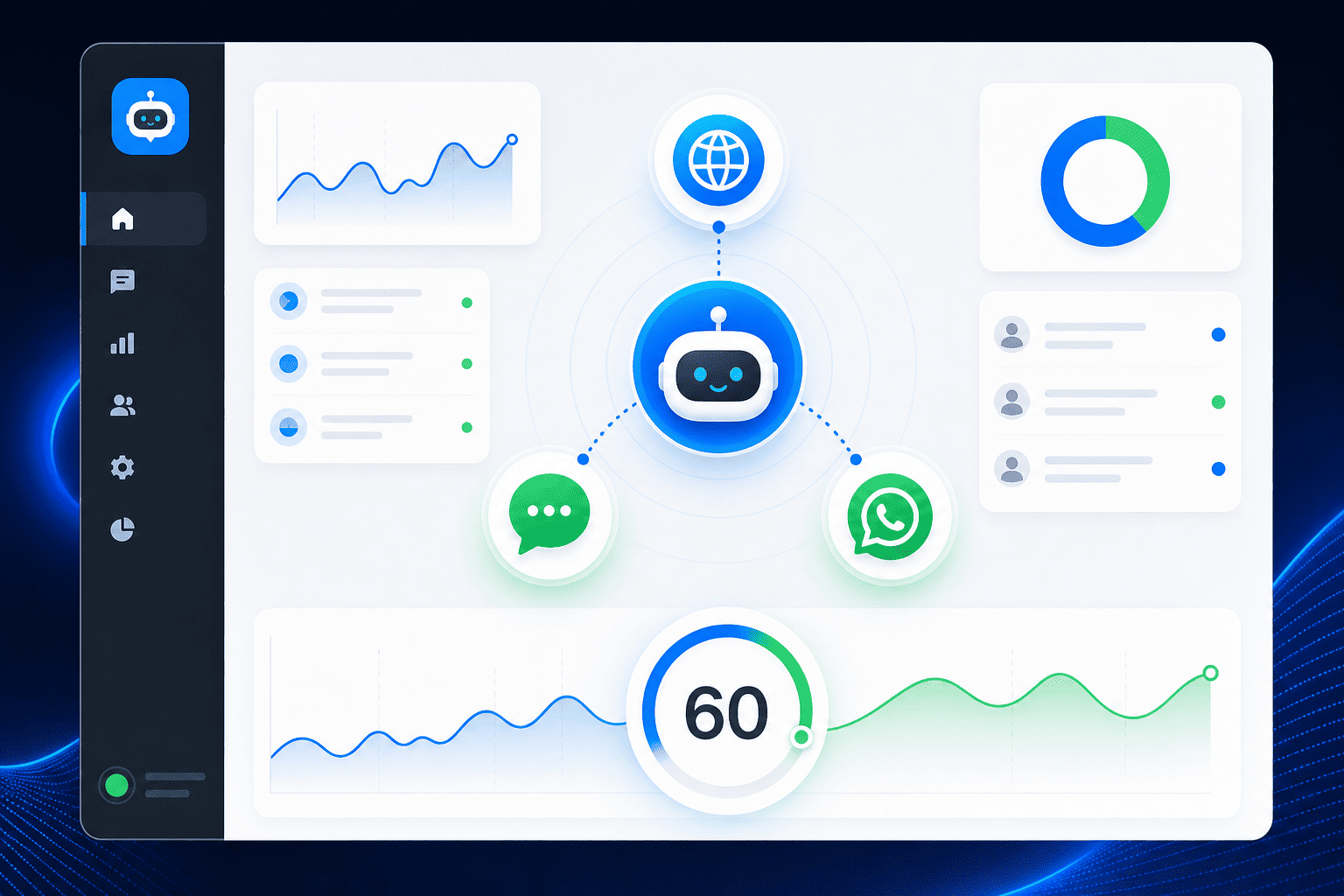
That is where noem.ai shines for growing teams that need speed and reliability in one place. With a no-code AI Concierge platform, you pick a role, sync your knowledge from files, URLs, or apps, and deploy across your website, WhatsApp, SMS, voice, Slack, and social — all grounded in your real content through retrieval-augmented generation (RAG) for accuracy from day one. Weekly sentiment and intelligence reports keep you informed on what customers are asking, and the REST API and Zapier integration make it easy to connect to the rest of your stack when you need to.
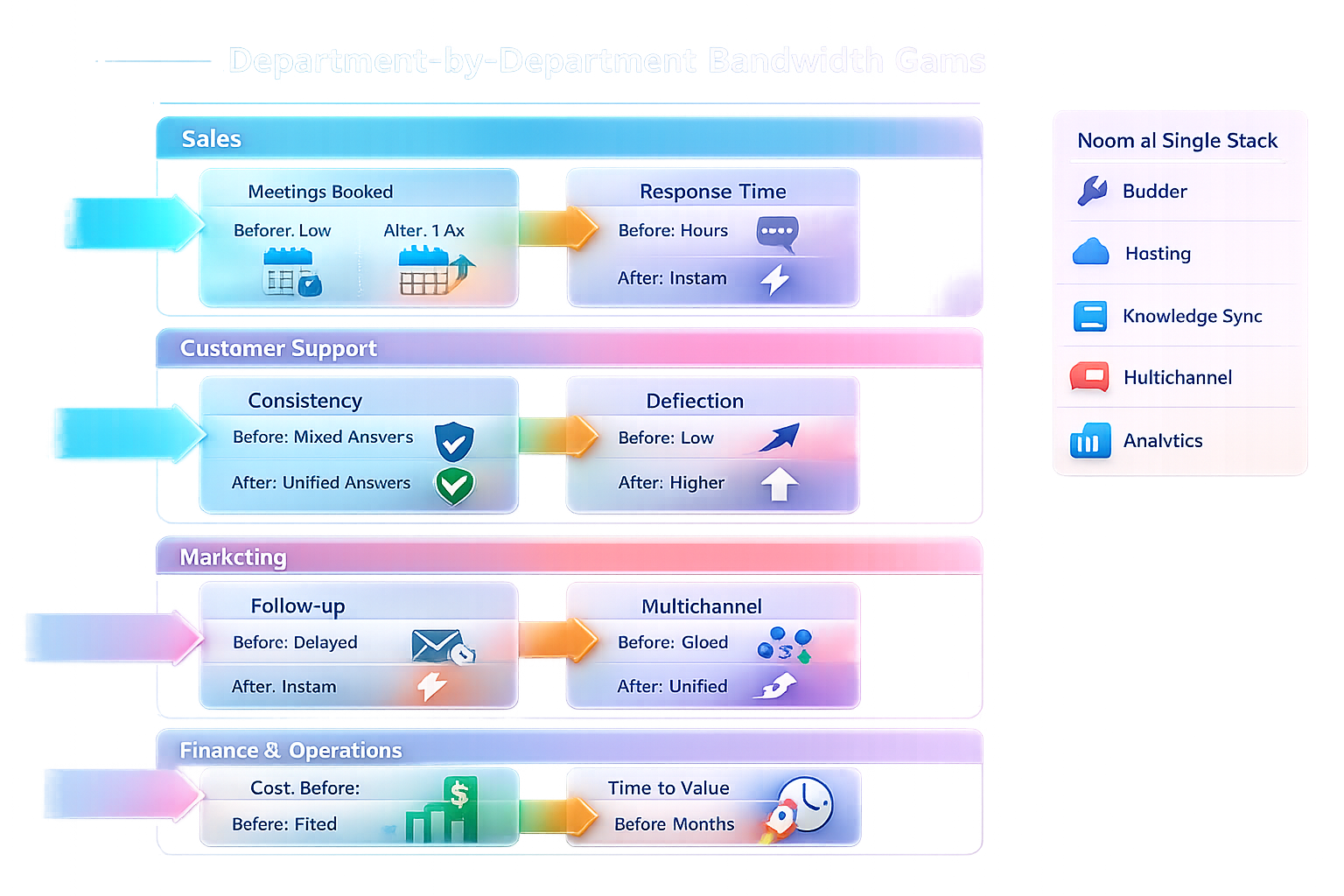
- Consistent Answers Across Channels: noem.ai centralizes knowledge and reuses it across every channel your customers prefer. That means your website chat, social DMs, and SMS give the same approved answer, every time. You do not have to copy and paste content into many tools or worry about outdated snippets floating around. The result is a predictable experience that builds trust quickly.
- 24/7 Availability Without Extra Headcount: With noem.ai, you can cover nights and weekends by deflecting common questions to smart bots and routing complex issues to people with full context. This matches rising expectations for fast responses while keeping your team’s workload healthy. Buyers get instant help for simple needs and a smooth handoff for deeper ones. You get higher satisfaction and fewer after‑hours fires.
- Multi‑Lingual Support at the Flip of a Switch: Global buyers expect to speak their language, literally. noem.ai helps you stand up multilingual bots that keep answers aligned across languages, so no region gets the “short version.” Because the platform auto‑syncs your knowledge, updates reflect everywhere at once. That helps you grow into new markets without rewriting your process for each one.
- Lower Support Costs, Higher Quality: Teams using noem.ai route repeated questions to the bot and save human time for the high‑value conversations that move revenue. Usage‑based pricing scales predictably as volume changes, which is helpful for seasonal demand. You are not forced into heavy bundles or paid seats you do not need. You just pay for what you use, and you get the quality your customers will remember.
- Complete Conversation History and Analytics: Because noem.ai captures conversations across channels, you see what people ask, where they struggle, and which answers work best. Real‑time dashboards and missed‑question alerts show you exactly where to improve next. One‑click retraining lets you fix gaps fast before they become trends. Over time, this becomes a playbook of what customers truly need—right in your dashboard.
By now the pattern is clear: the best stack is the one that serves the best conversation. Expert lists of top sales tools give you the categories to cover—CRM, engagement, intelligence, enablement, forecasting, and CX (ref: La Growth Machine, Zeliq, Default, monday.com, Highspot, Outreach). But to turn tools into revenue, you need conversation continuity: consistent answers in every channel, 24/7 availability, multilingual coverage, lower costs through smart deflection, a complete history at your fingertips, and insights that guide your next move. That is why unifying your knowledge and channels with a platform like noem.ai pays off quickly—because speed, simplicity, and trust are what buyers feel in every interaction.
Ready to see how a conversation‑led stack could land your next big win? Spin up your first bot in minutes at noem.ai and make every channel say the same smart thing—anytime, in any language.