Why Restaurants Are Turning to AI Chatbot Agents Right Now

6 Dec 2025 by Erick Quiel

  • 12 min
  • 697 Views

Running a restaurant is hard. Phones ring at peak times. Guests want quick answers. Your team is busy with food and service. AI CHATBOTS can help with all of this. They can answer questions, take bookings, guide orders, and collect feedback, even when your team is busy or your doors are closed. In 2025, about 79% of U.S. restaurants now use some form of AI, and many see clear gains in profit and smooth operations (ref: Reachify). Restaurants Are Turning to AI Chatbot Agents Right Now.

These are not robots that take over your place. They are AI AGENTS that support your team. They handle the simple stuff fast, so your people can focus on great food and care. Studies show that 87% of customers find chatbots helpful for quick requests, which means less waiting and more happy guests (ref: Fullview). When restaurants add AI to customer touchpoints, many report a 30–40% drop in service costs and up to a 25% lift in online ordering efficiency, freeing time during rush hours (ref: Reachify). This is one reason 73% of restaurant leaders plan to grow AI budgets next year, aiming for better guest experience and smoother daily work (ref: Kiosk Industry).

This is where noem.ai shines. NOEM.AI bundles building, hosting, knowledge sync, and analytics in one stack, so you can go live fast. You can design chat flows, add your menu and policies, and publish across channels with a few clicks. Because it auto‑syncs content, your bot always knows your latest hours, prices, and promos. For a busy owner, that level of speed and trust saves days of work and keeps guests from getting old info.

Serve Faster: 24/7 Answers, Reservations, and Ordering

  • Always-On Support: Your guests have questions at all hours. An AI chatbot can answer “Are you open?”, “Do you have gluten-free?”, or “Where do I park?” in seconds. This reduces phone load and makes guests feel cared for in the moment. With 95% of customer interactions expected to involve AI by 2025, always-on answers set you apart as responsive and modern (ref: Exploding Topics).

  • Frictionless Reservations: Bots can handle bookings without holding lines or mixing up details. They can confirm party sizes, capture special requests, and suggest quieter times if your peak is full. This means fewer missed calls and fewer double-bookings. It also gives staff more time to focus on the guests in front of them (ref: Chatbot.com).

  • Order Guidance That Increases Ticket Size: AI AGENTS can help guests build orders with clear steps and suggest popular add-ons at the right time. Industry research shows personalization can drive 10–15% higher order values and help retention rise by 20–30%, which adds up for every shift (ref: Reachify). This makes your online channel feel like your best server—helpful, friendly, and focused on what the guest likes.

  • Reduce Wait Times and Call Volume: When an AI handles common questions, your phones stop jamming up. Some restaurants report that smart call handling covers a big share of inbound calls, saving many hours per month and freeing your staff for service quality (ref: Reachify). Less ringing means fewer distractions on the line and faster table turns in the dining room. That is a win on both guest experience and operations.

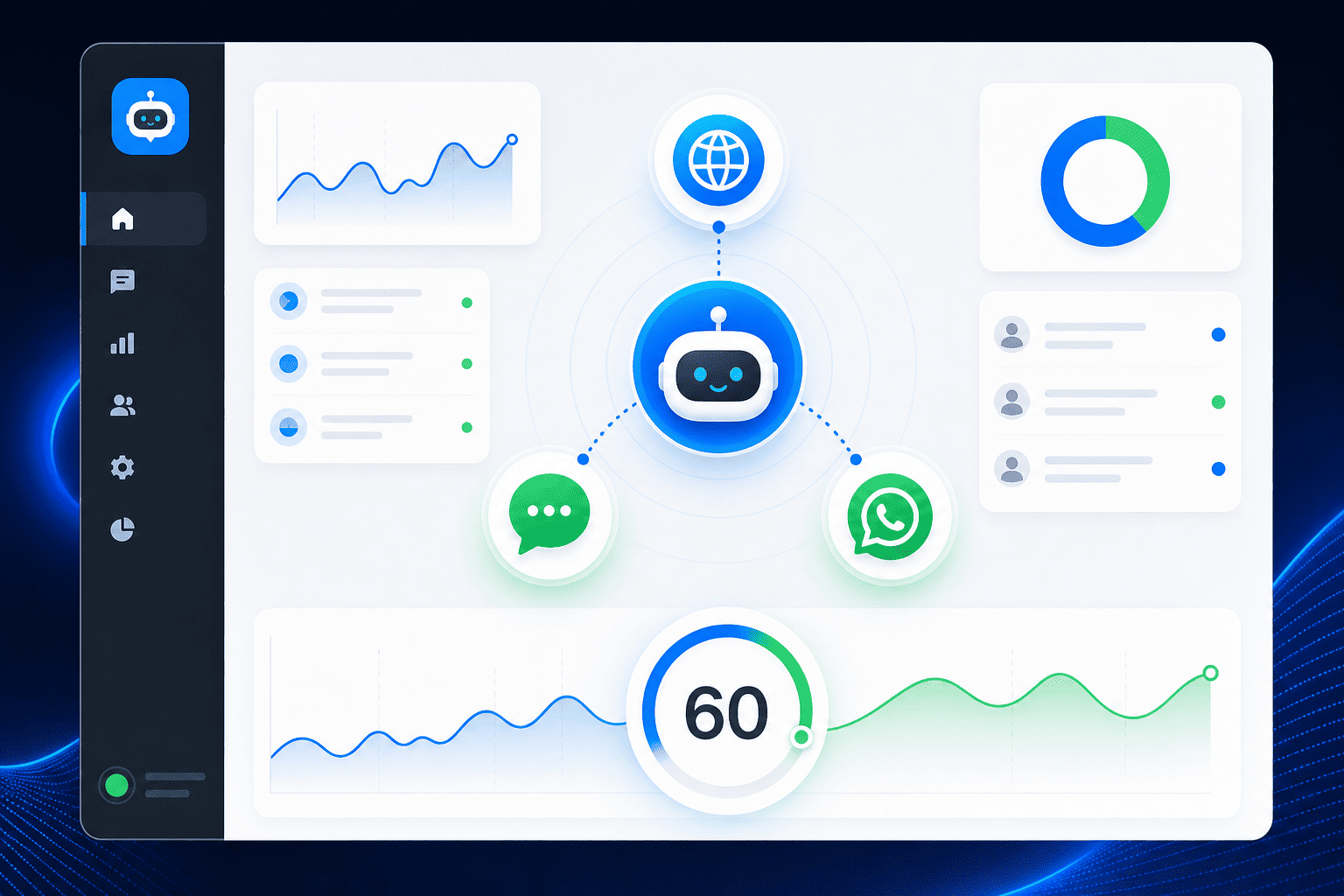
  • One Dashboard to Deploy Everywhere: With noem.ai, you design once and publish your bot to your website widget, WhatsApp, SMS, Facebook Messenger, or a hosted page. This simplifies how you reach guests where they already are. You do not need to build each channel from scratch, which saves time and lowers mistakes. The same answers and experience appear across all touchpoints, keeping your brand clear and helpful (ref: AIMultiple).

Turn Chats Into Revenue: Marketing, Upsells, and Loyalty

  • Personalized Promos Without Extra Work: AI CHATBOTS can remember preferences like “no dairy” or “loves spicy wings,” then suggest the right specials. This lets you send messages that feel helpful, not spammy. Targeted offers convert better, and guests return because they feel seen. Restaurants using AI for targeted outreach report stronger engagement and retention with less manual work (ref: SendPulse).

  • Lead Capture That Feels Natural: Your bot can collect first names, phone numbers, and favorite dishes during a friendly chat. This builds a list for SMS or email offers with consent. Once you have that, you can nudge slow nights or launch new menu items to an audience that already likes you. The global chatbot market is growing fast, projected to reach $27.29B by 2030, which shows how common this guest-first, data-smart approach is becoming (ref: Fullview).

  • Smarter Upsells With Timing: AI AGENTS do not just push add-ons; they suggest at the right moment. For example, if a guest orders pizza, the bot might ask about garlic knots or a salad for balance. If it is hot outside, it can suggest iced drinks or gelato. These small nudges can raise average order value without feeling pushy, matching research on conversion gains from AI suggestions (ref: Amra & Elma).

  • Loyalty and Repeat Visits: By linking to loyalty sign-ups and remembering favorites, AI helps build repeat habits. Case studies show that when AI supports loyalty programs with personalized recommendations, visit frequency and spend per visit can climb meaningfully (ref: Reachify). With noem.ai, you can keep your knowledge base current with auto‑sync, so your bot never pushes expired promos or wrong rewards. That trust improves how often people say yes to new offers.

  • Campaigns You Can Launch in Minutes: Inside noem.ai, you can tweak messages, try new prompts, and test flows without code. Real-time analytics show which offers perform best and which questions guests ask most. You can retrain with one click to improve answers or highlight a seasonal dish. This makes marketing an everyday motion instead of a big, stressful project (ref: Shopify).

Less Stress for Staff: Save Time and Improve Quality

  • Fewer Repetitive Questions: Your team hears the same questions day after day. “Do you take reservations?” “Do you have vegan?” “What time do you close?” AI covers these instantly, with answers pulled from your latest info. This can lead to 30–70% efficiency gains on routine processes and a 10–20% reduction in labor strain across operations (ref: Supy).

  • Faster Training for New Hires: AI can act like a digital guide for your menu, policies, and steps of service. New team members can ask quick questions and get clear answers while on shift. This lowers manager interruptions and gives new staff more confidence early on. It also keeps knowledge consistent across weekday and weekend teams (ref: FirstAgent).

  • Peak-Hour Shields: During rush, the AI takes the flood of quick requests so your hosts and servers can focus on tables. When callers want hours, directions, or order updates, the bot answers fast and politely. This protects team focus and reduces errors that come from stress. One case example shows an automated phone system led to a 132% jump in online sales by capturing missed demand during busy windows (ref: Reachify).

  • Clear Handoffs to Humans: Some requests need a person, like handling allergies in detail or large event bookings. Good AI routes these to staff with context from the chat. This means your team sees the guest’s questions, history, and preferences in one place. noem.ai supports this with real-time analytics and missed‑question alerts, so human follow-up is quick and informed.

  • Simple Setup, Low Overhead: You do not need a developer to get started. noem.ai is no‑code and bundles building, hosting, multichannel publishing, and analytics in a single platform. This avoids the tangle of different tools, add-ons, and hidden costs. With usage-based pricing that scales with you, small teams get predictable costs and big features. This is a smart fit for owners who want speed and clarity (ref: Agentive AIQ).

Understand Guest Feelings: Sentiment, Insights, and Action

  • Read the Room From Every Chat: Every guest chat is a signal—happy, confused, excited, or worried. With analytics and sentiment tools, you see which topics make guests smile and which cause stress. You might spot that delivery delays come up on Fridays or that a dish often needs clearer allergy notes. These patterns help you fix problems at the root, not just react one ticket at a time (ref: Detale).

  • Find Your Top Questions and Improve Your Menu Pages: When the bot tags the most common questions, you can update your menu page, add photos, or clarify portions. This reduces confusion and increases confidence to order. Clear info also lowers refund requests and speeds lines. Over time, fewer questions means more direct orders and better guest trust (ref: CloudKitchens).

  • Measure What Drives Repeat Visits: If guests ask often about kids’ menus or gluten-free, that is a hint to promote those items. If many ask for late-night options, you can test a limited after-hours menu. Data turns guesswork into smart planning. This is how AI helps restaurants gain a 15% rise in digital engagement and stronger long-term demand (ref: Supy).

  • Act Fast With One-Click Retraining: When you see new questions trending, you can teach your bot the answer in a click. In noem.ai, missed‑question alerts show gaps fast, so you fix them before they grow. This keeps your answers fresh for new promos, price changes, and seasonal menus. It also reduces staff load by preventing the same questions from repeating.

  • Prove ROI With Clear Reporting: Real-time dashboards show chat volume, resolved questions, bookings made, and orders assisted. You can track conversion rate from chat to order, or from chat to reservation. If you connect offers, you can see which promos lead to more carts. Clear numbers help you justify the investment month after month (ref: AIMultiple).

How to Launch Your Restaurant AI Chatbot in Days (Not Weeks)

  • Step 1: Gather Core Info: Pull your menu, hours, locations, delivery zones, allergy notes, and FAQ. These basics power the bot’s best answers. Make sure to include current promos and loyalty details. With auto‑sync in noem.ai, updates will flow into your bot as your pages change.

  • Step 2: Map Key Flows: Start with the top 5 flows: hours, reservations, menu help, order help, and directions. Then add flows for large parties, catering, and special events. Keep steps short and clear with buttons for quick choices. This makes your chatbot feel like a friendly host, not a wall of text (ref: Chatbot.com).

  • Step 3: Publish on Two Channels First: Put the bot on your website and one messaging app your guests already use. Test for a week and note the top five questions it gets. Improve those answers with better wording and links. After that, add more channels like SMS or Messenger to reach more guests with the same brain.

  • Step 4: Train for Upsells and Safety: Add rules for popular add-ons and set guardrails for allergies and substitutions. Teach the bot to hand off to a person when needed, especially for complex allergy cases or complaints. Keep the tone warm and short. This keeps guests safe and supported while still driving higher check size (ref: AIMultiple).

  • Step 5: Track, Learn, and Optimize: Use analytics to track completion rate and conversion from chat to reservation or order. If a step drops many users, simplify it. If a promo works well in chat, run it again next month. In noem.ai, one-click retraining makes this cycle fast and simple.

Real-World Results: What the Data Says

  • Revenue and Efficiency Gains: Restaurants that adopt AI tools often see revenue growth and smoother operations. A reported 56% of restaurants experienced higher revenue after AI integration, and an example venue saw online sales jump 132% when automating peak-time calls (ref: Reachify). When routine requests get automated, staff can give better personal service where it matters most. That balance leads to better reviews and more repeat visits.

  • Customer Happiness: Quick answers build trust and cut frustration. With 87% of people saying chatbots handle their needs well, your brand gains a reputation for being helpful and modern (ref: Fullview). Add thoughtful upsells and you raise check size without pressure. That creates the kind of service guests tell friends about.

  • Market Momentum: The AI chatbot market is expanding quickly, with forecasts pointing to a $27.29B size by 2030 (ref: Fullview). For restaurants, this means tools are getting better, faster, and easier to use. The latest platforms focus on real outcomes, not tech jargon. This push helps small teams adopt AI with less risk and more payoff.

  • Future-Proofing Your Guest Experience: As more interactions move to chat, restaurants that build strong digital service now will win later. Research shows operators see 15% gains in digital engagement by applying AI across the journey (ref: Supy). This sets a foundation for loyalty, better reviews, and higher lifetime value. It also helps you scale without losing your personal touch.

  • Video Learning and Best Practices: Many owners learn by watching how others do it. Industry masterclasses and demos show how to structure flows, link menus, and train bots to improve week after week (ref: YouTube Masterclass, YouTube Demo). These sessions highlight common wins like faster booking response, better menu clarity, and fewer abandoned orders. When paired with a platform built for speed like noem.ai, learning turns into action fast.

Why NOEM.AI Is Built for Busy Restaurant Teams

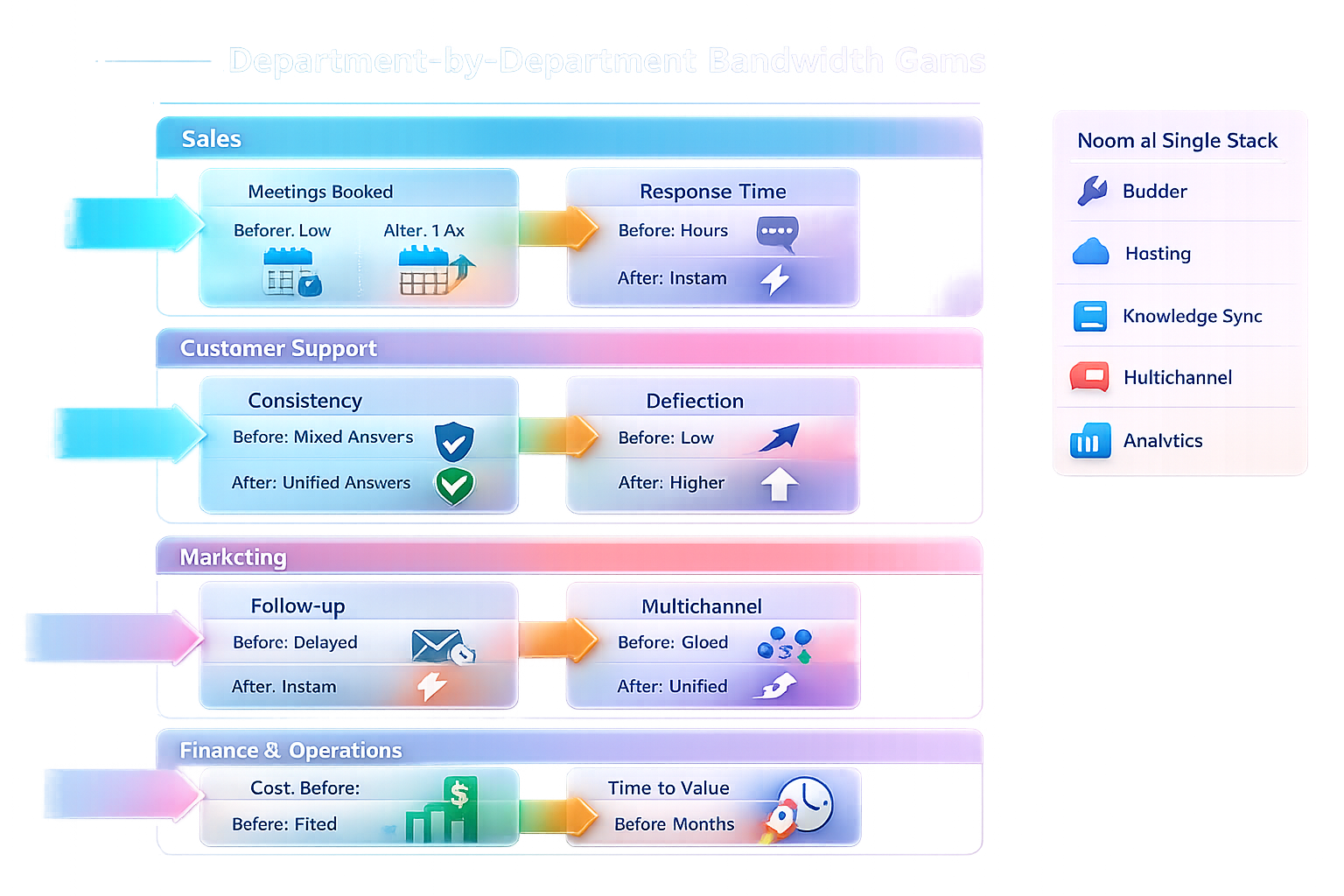
  • One Platform, Zero Hassle: NOEM.AI brings builder, hosting, knowledge sync, multichannel publishing, and analytics into one stack. That means you do not juggle a pile of tools. You can go live in minutes instead of weeks, and you do not need a developer. This saves time, lowers costs, and keeps your team focused on guests.

  • Always Up-to-Date: Restaurants change menus, hours, and promos often. With continuous auto‑sync in noem.ai, your bot stays current. Guests get the truth every time, which prevents errors and refunds. Your staff gets fewer “Is this still valid?” calls, too.

  • Real-Time Analytics and Sentiment: You see what guests ask for, what they struggle with, and how they feel. Missed‑question alerts flag gaps so you fix them fast. One-click retraining helps you update answers, flows, and promo logic in seconds. This builds a cycle of steady improvement that turns chats into conversions.

  • Multi-Channel, One Brain: Publish your bot to your website, WhatsApp, SMS, Facebook Messenger, or a hosted page from one dashboard. Provide the same helpful answers everywhere. This makes guests feel at home no matter the channel. It also reduces errors that come from keeping many tools in sync by hand.

  • Scale With Confidence: Optional APIs, webhooks, and concierge onboarding help when you need advanced setups or integrations. If you run multiple locations or plan to grow, this matters. You get flexibility without giving up simplicity. That is the balance restaurant owners need from their AI tools (ref: Loman, AIMultiple).

Your Next Step: Try AI on One Problem This Week

Pick one area that slows your team down—calls about hours, reservation overflow, or menu questions. Launch a simple flow that gives straight answers and hands off to a person when needed. Watch the data for a week and tweak your messages. Once you see the time saved and the happy feedback, add flows for orders and events. If you want a fast start, explore noem.ai and see how a no‑code, all‑in‑one approach gets your AI CHATBOTS live in minutes.

Want help mapping your first flow, or curious how AI AGENTS would fit your exact menu and hours? Reach out and tell us your top three questions guests ask most. We will show you how to answer them 24/7, capture more bookings, and find insights in your chat threads that grow your business. Ready to turn every conversation into a chance to serve better and sell more with NOEM.AI?

Focus on Decisions, We’ll Handle the Rest

While you make strategic decisions, Let Agent Noems efficiently run your company’s departments:

  • AI Support Chatbots
  • Lead Conversion Chatbots
  • Coaching Chatbots
  • Onboarding Chatbots
  • Virtual Clone Chatbots
Try It for Free

Where should we send your invitation to?