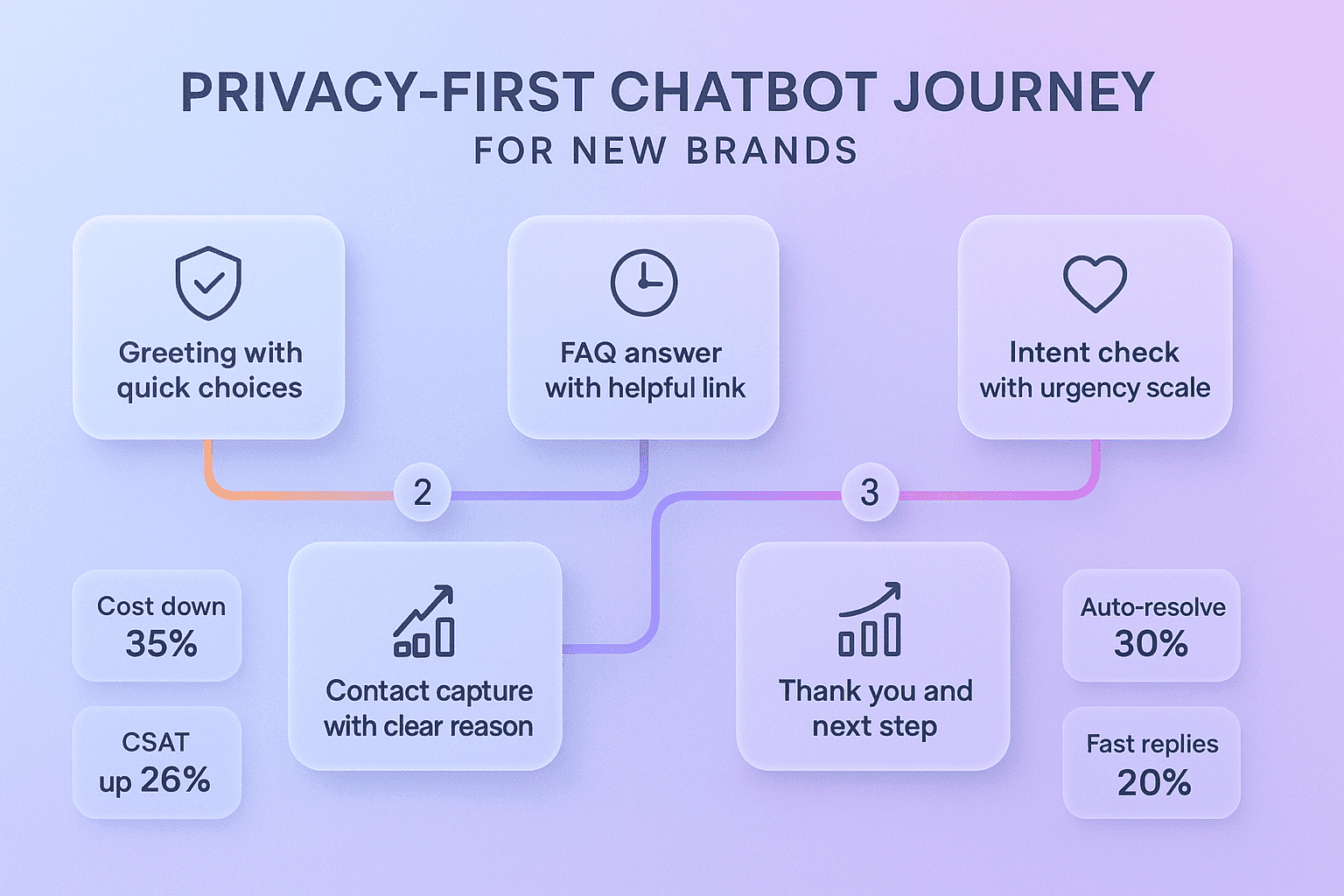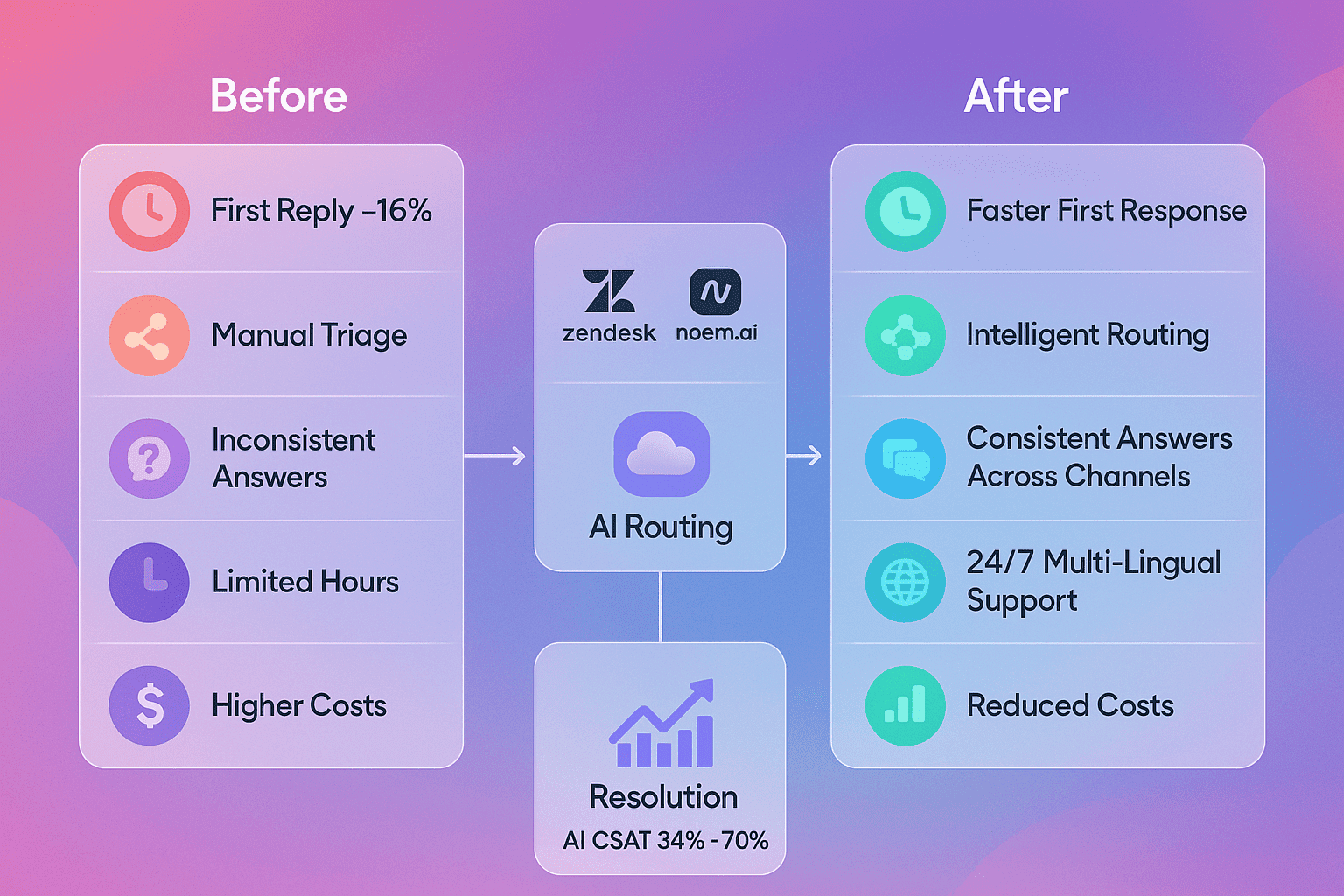
Customers want a clear and helpful answer on the first try. When that happens, they feel seen and heard. Zendesk AI helps teams give faster first replies, with studies showing time to first response can drop by 16 percent. It also lifts automated resolutions by 23 percent, so more tickets get handled right away. These results help teams move faster without hiring more people, which is key when budgets are tight (ref: Nucleus Research).
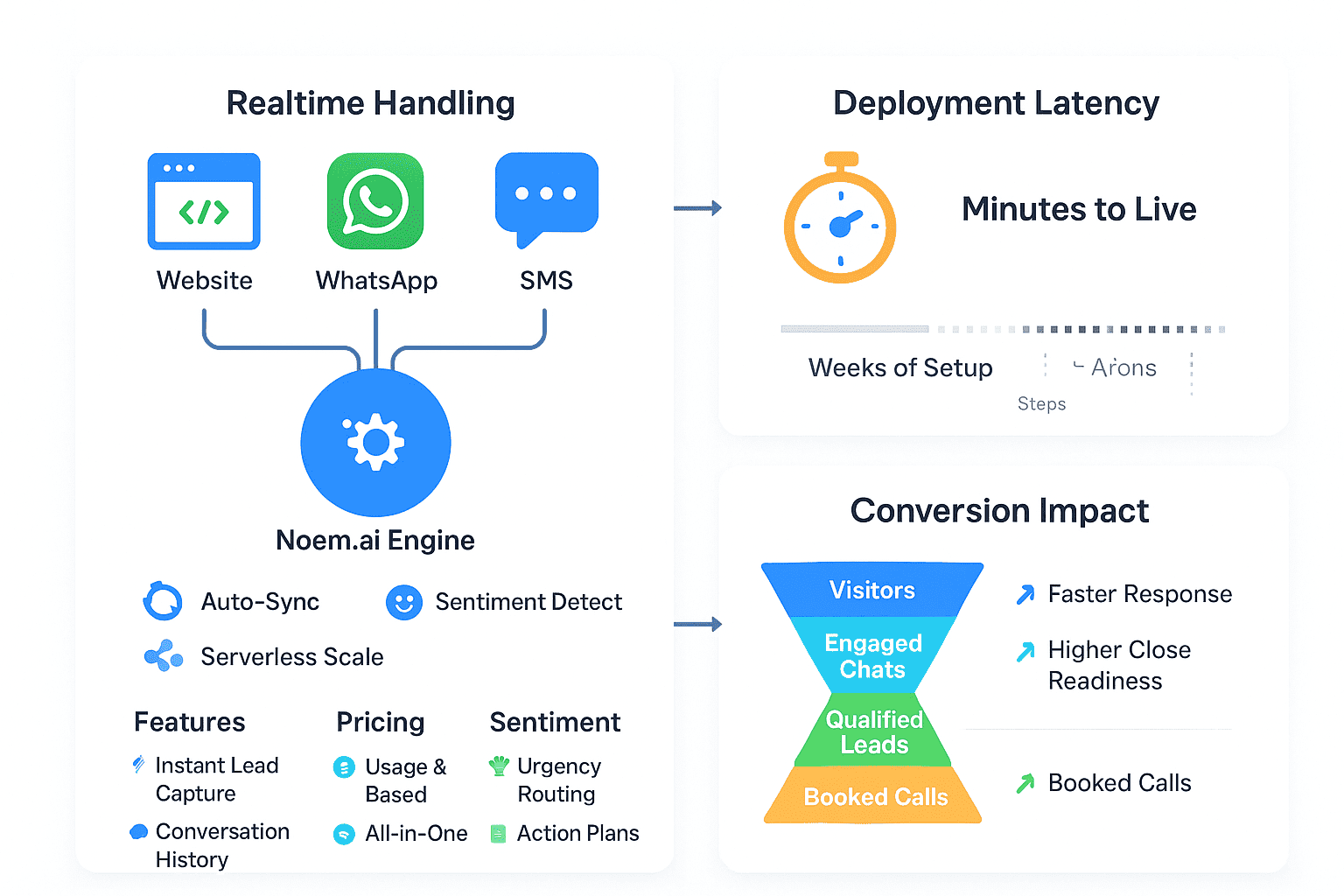
Noem.ai builds on this strength by making the first touch more accurate and more consistent. It bundles the builder, hosting, knowledge sync, publishing, and analytics in one stack, so teams launch in minutes, not weeks. Continuous auto-sync keeps answers fresh, so your bot reflects the latest content across every channel. That means your first reply is not only fast but also on brand and correct. This mix of speed and trust is what sets Noem.ai apart from piecemeal tools.
Zendesk intelligent routing can read ticket intent, language, and even sentiment. It then sends the ticket to the best place, which lowers handle time by about 20 percent on each ticket, and removes guesswork from triage. Teams can solve more, faster, and with less back and forth. In real stories, brands see AI agents resolve more than half of chats while satisfaction with AI replies rises. One example showed AI satisfaction scores rising from 34 percent to 70 percent as bots pulled the right knowledge for the right chat at the right time (ref: Zendesk, Zendesk).
- Strong first reply: A fast first reply sets the tone for the whole case. Zendesk AI can lower time to first response by 16 percent, and lift automated resolutions by 23 percent. This means your team handles more tickets right away. Customers feel taken care of and do not need to ask the same thing twice (ref: Nucleus Research).
- Precise routing: Smart routing reads intent, language, and tone, then picks the right agent or workflow. This removes manual triage and cuts handle time by about 20 percent per ticket. It also reduces transfers that annoy customers. Fewer hops means faster solves and higher trust (ref: Nucleus Research, Demeter ICT).
- Always-on, always current: Noem.ai syncs content across your knowledge sources on a schedule, and updates the bot as your docs change. This keeps answers current without manual copy and paste. It also means your bot returns the same answer that a human would pull from the system of record. This builds a strong baseline for quality replies on the first message.
- Quick to launch: Many teams fear long AI projects. Noem.ai avoids that by bundling builder, hosting, channels, and analytics in one stack. Teams can go live in minutes, not weeks, and scale usage with simple, usage based pricing. This cuts the time and cost usually spent on complex builds and makes speed the default.
Consistent Answers Across Channels, All Day And In Any Language
Customers do not think in channels. They just want a clear answer, fast. With Zendesk and Noem.ai, you can give the same answer on email, live chat, web, or social. The system uses the same source of truth and the same policies across every touch. This makes your brand feel steady and reliable, which can raise trust and reduce repeat contacts.
Zendesk AI is designed for scale. It can take part in every customer touch, which helps you meet demand around the clock. As AI takes the first pass on routine questions, agents can focus on the tricky edge cases. This split makes service both fast and human where it matters. It also keeps your quality bar steady every hour of the day and night (ref: Zendesk).
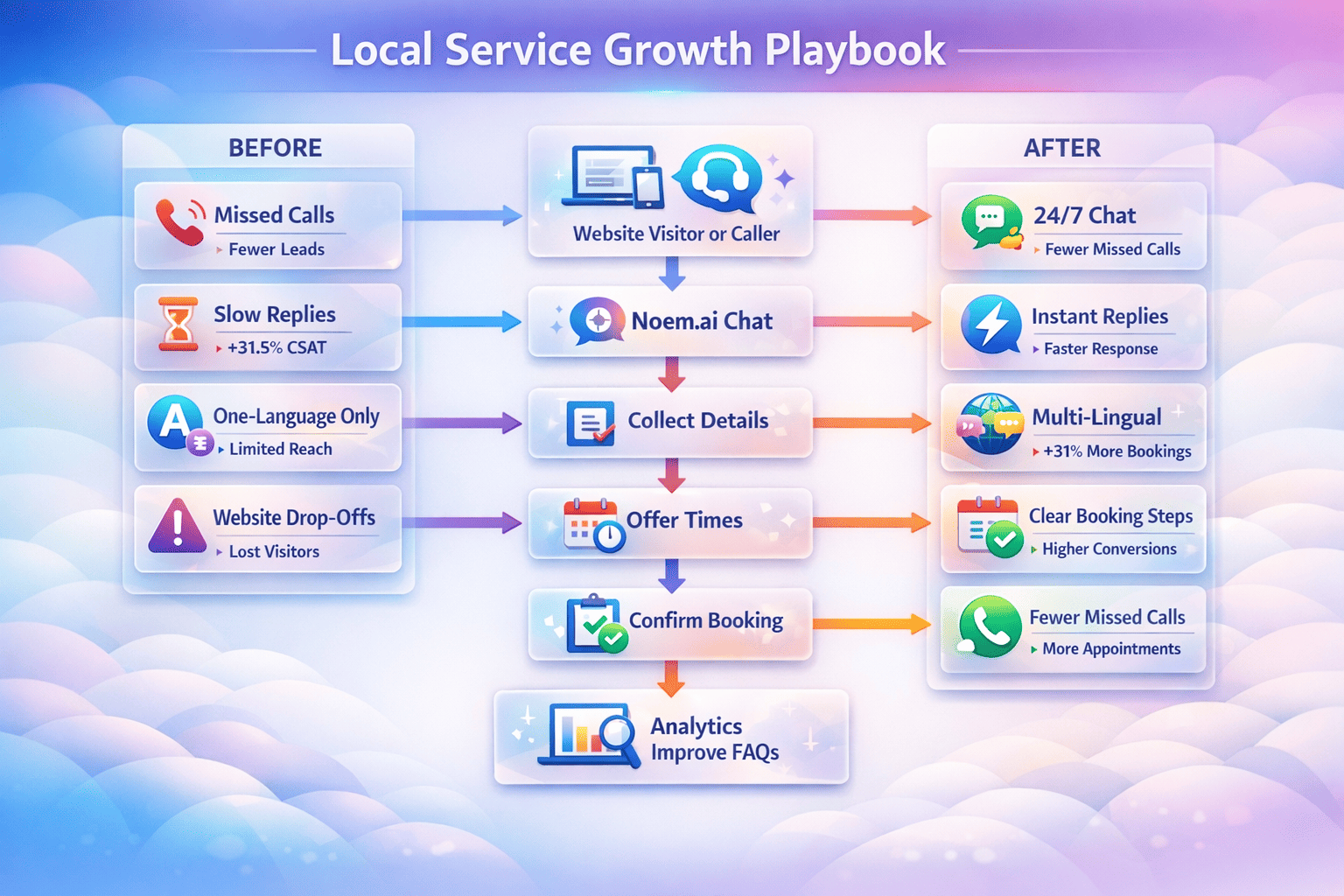
Language should not be a barrier. Zendesk can detect language and intent, and it can route or respond in the right language. This supports global growth without building out night shifts or hiring lots of new people for each region. It gives you power to serve more markets at once, which is a big win for any growing brand (ref: Demeter ICT, Cloudflare).
- Same answer, every channel: Customers ask a question by email, chat, or social. They should get the same, correct answer each time. Noem.ai keeps your knowledge synced so bots and agents pull from one truth. This reduces confusion and lifts trust across the full journey.
- 24 by 7 coverage: AI can greet, gather details, and handle common needs at any hour. Zendesk reports that AI is touching more and more customer interactions each year. That allows teams to be always on without burning out your staff. Customers feel cared for even late at night or on a holiday (ref: Zendesk).
- Multi-lingual at scale: With language detection and routing, your system moves a case to the right language queue. It can also give fast answers in many languages for common requests. This helps you grow into new markets with less friction. It also improves first replies, since the customer sees help in their language from the start (ref: Demeter ICT).
- Right touch, right time: AI deflects the simple stuff and routes the rest to the best agent. Studies show that 10 to 30 percent of tickets can be solved without a human at scale. This makes sure agents spend time on higher value problems. It also keeps wait times low and responses sharp (ref: Forrester TEI).
Lower Support Costs Without Cutting Care
Leaders want to raise service and lower costs at the same time. Zendesk and Noem.ai help you do both. AI can handle the first pass on many tickets. It also sends clear, helpful answers that reduce repeat contacts. When people get what they need the first time, they do not come back with the same question. This saves agent time and brings down your total contact rate.
Research shows these gains add up. Companies that use Zendesk AI report a 25 percent drop in contact rate, which one study valued at 10.3 million dollars over three years. Automated resolutions save money per inquiry, and at scale that becomes a major budget win. It is not about doing less for customers. It is about doing the smart things first and serving people well every time. These savings let you invest in better tools, training, or more proactive support content (ref: Forrester TEI).
Teams also see fewer repeat contacts when AI powers better first replies. Zendesk data shows a 15 to 20 percent drop in repeat contacts as quality goes up. That means the answer worked the first time. At the same time, AI can improve customer ratings as people feel the service is fast and above and beyond. The effect is like a flywheel: better replies lead to fewer tickets and happier customers, which saves more time for your team (ref: Zendesk).
Admins and ops teams feel the lift too. With Zendesk AI, admins save almost a full work day each week and most move that time to strategy. This kind of time win helps teams improve flows, fix content gaps, and guide the business with data. It shortens the build, test, and measure cycle, which raises quality in a steady way over time. Faster cycles mean better customer wins, and that shows up in your KPIs (ref: Zendesk).
- Fewer contacts, more value: A lower contact rate means customers are getting what they need without extra help. Forrester found a 25 percent contact rate drop tied to better self help and smarter deflection. That shift was worth over 10 million dollars across three years in one model. Savings like that can fund better content and new channels that help customers even more (ref: Forrester TEI).
- Lower cost per resolution: Automated resolutions save money on each inquiry, and at scale it adds up fast. When 10 to 30 percent of tickets get solved by AI, your total cost per case goes down. Agents then focus on higher value work, which raises ROI from their time. This makes your support engine lean and strong at once (ref: Forrester TEI).
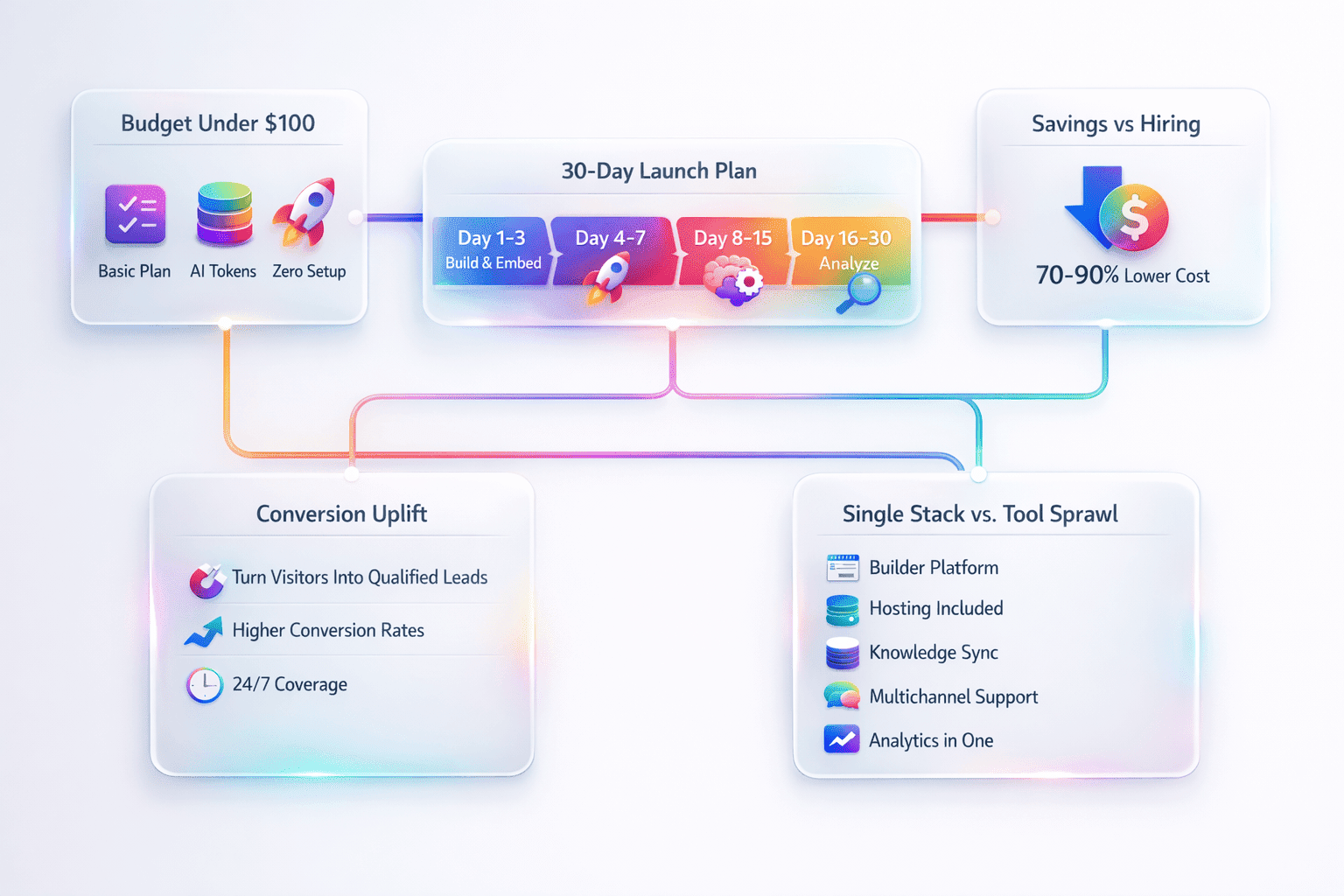
- Faster build, lower upkeep: Noem.ai gives you one stack for builder, hosting, sync, channels, and analytics. This can cut stand up and maintenance work by a wide margin, since you do not glue tools together. Usage based pricing also scales with you, so cost stays predictable as your needs grow. All of this puts more time and budget back in your plan.
- Better CSAT, fewer repeats: When the first answer is right, people do not write back. Zendesk reports 15 to 20 percent fewer repeat contacts with AI in the flow. Admins gain back hours each week to spend on content and process. That work loops back into better customer results the next week and the next (ref: Zendesk, Zendesk).
Complete Conversation History And Actionable Insights That Drive Better Outcomes
Great service is about context. If an agent can see the full story, they can solve the issue faster and with more care. With Zendesk, your team gets a complete conversation history in one place. AI can summarize long threads, draft replies, and suggest similar cases. This saves time and reduces errors. It also makes handoffs smooth, because the next person can see what already happened and what is next (ref: Zendesk, Zendesk).
This history is only as good as the data feeding it. Noem.ai keeps the knowledge layer in sync, so the bot pulls the latest product copy, policies, and guides. The same sync helps agents find better answers in fewer clicks. When the content is right, summaries and draft replies get better too. This lifts quality across the board and keeps your voice steady.
Insights turn actions into outcomes. Zendesk analytics show the top topics, intents, and friction points. You can see what content works, where customers get stuck, and which flows save the most time. These insights can help you plan better self help, fix bugs, or improve onboarding. Small changes add up to big results when you know exactly where to act (ref: Nucleus Research, Forrester TEI).
- One timeline, fewer mistakes: With all messages and notes in one place, agents can see what was tried and what worked. AI helps summarize, so they do not need to read long threads to catch up. This cuts errors and speeds replies. It also builds a calmer, more confident tone for customers to feel safe with your brand (ref: Zendesk).
- Better answers from better content: If your content is fresh, your replies will be too. Noem.ai auto syncs your sources and keeps answers aligned with your docs. This lowers the chance of giving old or wrong advice. It also raises trust because your help is clear and current at all times.
- Data that guides the next win: Analytics shine a light on where to improve. You can see which answers deflect tickets and which ones lead to repeats. Teams can then fix what is broken and enhance what works. Over time, this builds a strong loop that keeps costs low and CSAT high (ref: Nucleus Research, Forrester TEI).
- Simple to scale, easy to trust: With Zendesk at the core and Noem.ai as your chatbot stack, scale does not have to be complex. You can turn on new channels and languages without a rebuild. You can keep costs steady with usage based pricing. Most of all, you can trust that your first reply will be right, fast, and on brand.
Real Metrics You Can Track From Week One
Leaders need proof. The great news is that Zendesk and Noem.ai make the gains clear and simple to measure. Below are example metrics that many teams track in their first month. These align with the results seen in public studies and customer stories. They tie effort to value in a way that is easy to share with your team and your leaders.
- Time to first response: Watch this drop as AI drafts replies and routes tickets. Many teams see a 16 percent improvement with Zendesk AI in place. Faster first replies bring down total resolution time as well. They also set a helpful tone for the whole case journey (ref: Nucleus Research).
- Automated resolution rate: Track how many tickets get solved by AI or self help. Studies show a 23 percent lift in automated resolutions with Zendesk AI. This yields cost savings per inquiry, and reduces load on agents. Quality should go up as repeat contacts go down (ref: Nucleus Research).
- Handle time per ticket: Routing and better answers should lower handle time by about 20 percent. This means your team can close more tickets per shift, without working longer hours. It also means less wait time for customers. The result is a smoother queue and happier people on both sides (ref: Nucleus Research).
- Contact rate and repeats: Many teams see a 25 percent drop in contact rate and a 15 to 20 percent drop in repeat contacts. This is a strong signal that the first reply is working. It saves time and budget while also raising trust. It is proof that smart support can be both fast and kind (ref: Forrester TEI, Zendesk).
How To Get Started In Days, Not Weeks
You do not need a long project to see value. That is the point of this stack. With Noem.ai, you can connect your knowledge sources, pick your channels, and publish quickly. Auto sync keeps answers fresh, and analytics show what to improve next. Zendesk then gives you routing and AI features that plug in to your current flows. The setup is simple and the gains come fast.
- Connect content: Start by linking your help center, docs, and key pages. Turn on auto sync in Noem.ai so your bot stays current as content changes. Check a few common journeys end to end. Make sure the answers match your brand and policy.
- Enable routing and AI: In Zendesk, turn on intent and language detection, and set rules for skills and priority. Test with a small flow and a small group of agents. Watch how handle time and first reply move. Then expand to more queues with clear guardrails (ref: Demeter ICT).
- Measure, then tune: Track the core KPIs each week. Look for places where people still ask a second time. Use analytics to fix content or flows that cause repeats. Small changes each week lead to large wins each quarter (ref: Nucleus Research, Forrester TEI).
- Keep humans in the loop: Give agents a simple way to flag gaps and suggest better answers. Use those notes to improve your content and routes. This keeps your AI helpful and your brand voice strong. It also builds trust inside your support team as they see their ideas go live.
What Success Looks Like After 90 Days
After three months, your support should feel smoother and lighter. Customers get quick, clear answers at all hours. Agents see fewer repeats and faster handoffs. Leaders see cost per case go down. Admins spend more time on strategy and less time on fixes. These changes build a stable base for growth and keep teams focused on what matters most.
- Better first replies: First reply time is down and reply quality is up. Customers get help that is right on the first touch. This lowers repeat contacts and shortens the queue. It builds trust you can feel in the numbers and in the tone of customer notes (ref: Nucleus Research).
- Routing that feels invisible: Tickets land with the right agent or get solved by AI right away. There are fewer transfers and less back and forth. Handle time drops and CSAT rises. This shows that smart routing is working without extra headcount (ref: Nucleus Research).
- Costs that scale with value: Contact rate drops and automated resolutions rise. You save money on each solved case and on the total volume. The budget win is real and can be counted in the millions at scale over time. That gives you room to invest in better experiences for your customers next (ref: Forrester TEI).
- A strong data loop: With complete conversation history and clear analytics, you can see where to improve next. Your team knows what to fix and what to double down on. Each change makes the next change easier. Over time this loop strengthens your whole customer journey (ref: Zendesk).
Ready to see how far a better first reply and smarter routing can take you? Book a quick demo and put Zendesk and Noem.ai to work on your top three use cases this week.