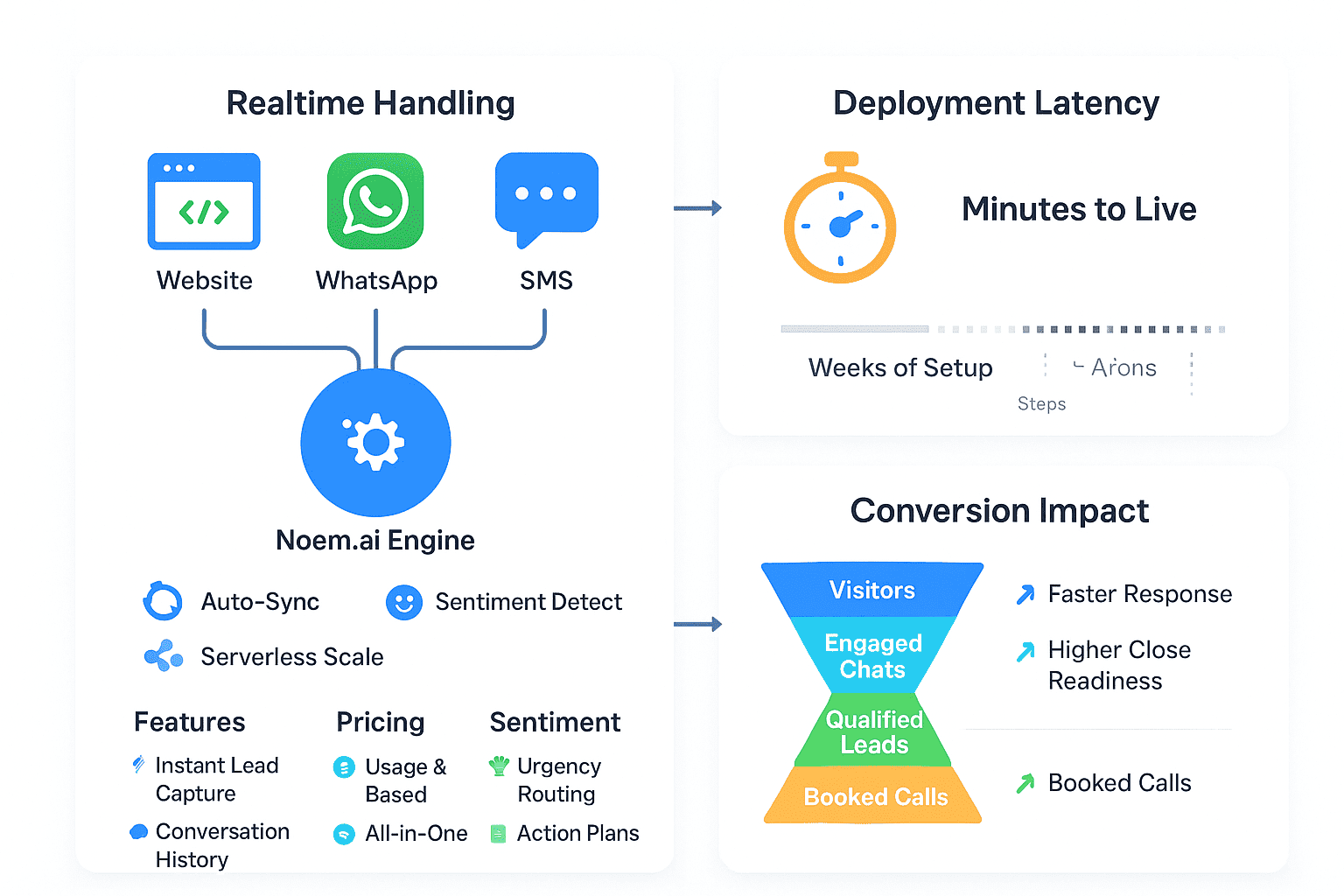
When you need under-5-minute lead response time, combine instant capture, automatic qualification, channel-aware routing, and AI chatbots that answer right away. Keep founders in control with clear handoff rules, approvals, and alerts. Run the same conversation across web, SMS, and WhatsApp. Book hot leads or escalate within five minutes. It is simple, fast, and trackable.
Why 5 minutes matters for revenue and reputation Podium
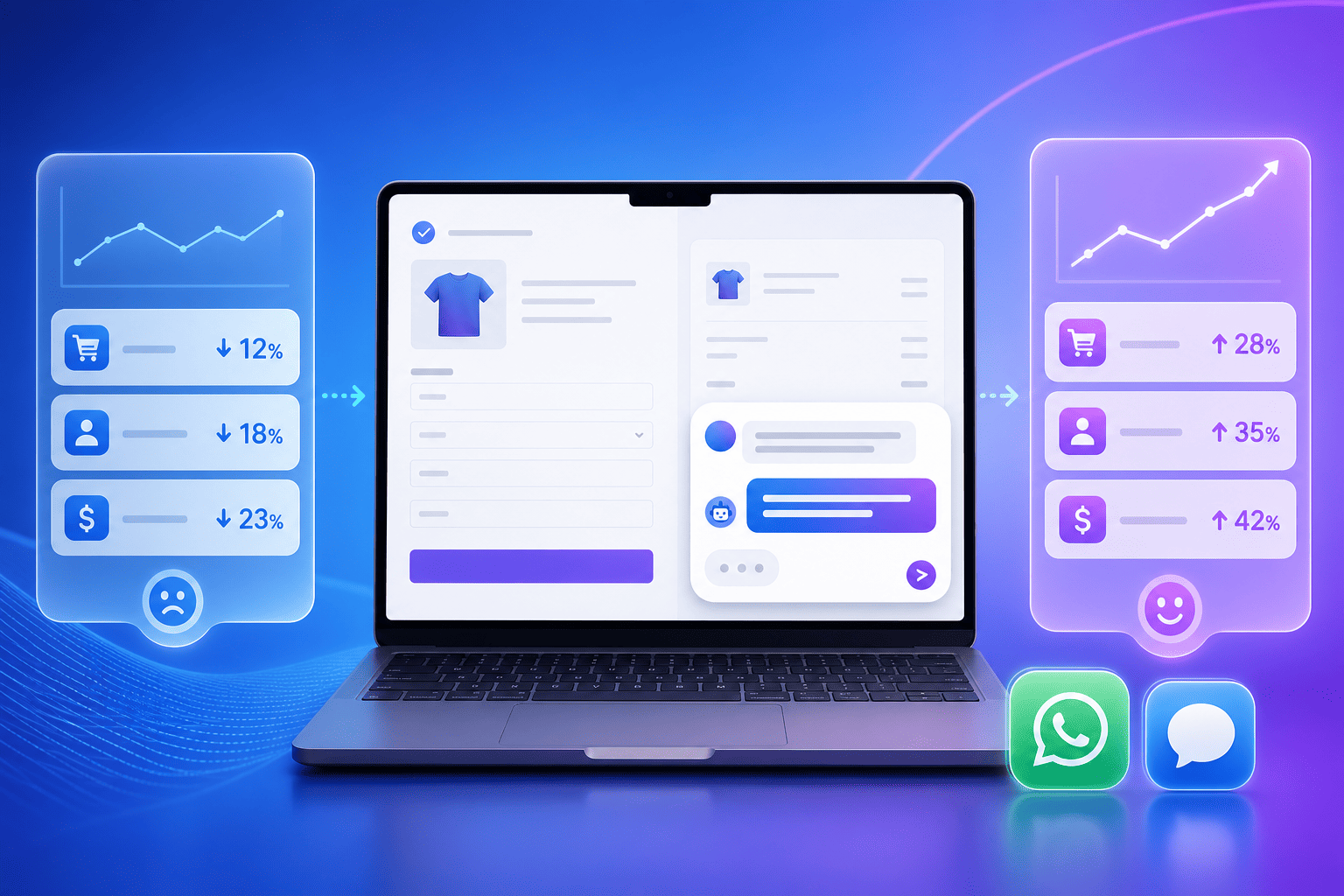
Slow replies drain revenue. Responding to a lead within five minutes makes teams up to 21 times more effective than waiting 30 minutes, which means every delay kills momentum and trust the longer you wait (ref: Podium). Some studies report a 391 percent conversion lift when a lead is contacted in the first minute, making speed not just nice to have but a direct driver of pipeline growth (ref: Chili Piper). In fact, researchers have cited up to a 100x improvement in reaching prospects when comparing responses in the first few minutes to a 30-minute delay, showing how quickly the window closes (ref: InsideSales). After-hours inquiries are especially fragile, because leads who write at night often wait until the next day unless you set up always-on automation to answer and book immediately (ref: timetoreply). If you want to win more deals, be the first helpful reply and keep the conversation going in the channel your lead prefers.
- Missed leads happen in minutes: The chance to connect drops sharply after the first 5 to 10 minutes, so a slow funnel turns paid traffic into silent waste instead of booked calls (ref: Voiso). If you are buying ads or driving SEO, every minute of silence burns budget. Rapid replies raise your lead-to-contact rate, which multiplies the return on your acquisition costs. The math is simple and brutal.
- Being first often wins: 78 percent of buyers pick the vendor that responds first, which proves speed is a practical differentiator, not just a vanity metric (ref: Chili Piper). If your team answers quickly with value, you frame the problem and solution. This creates a halo of competence that is hard for slower competitors to overcome. Speed does not replace quality, but it lets you deliver quality sooner.
- After-hours leakage is real: Nights and weekends create a gap where leads pile up and grow cold unless an automated front line engages them on the spot (ref: timetoreply). A 24/7 AI chatbot keeps the thread alive, collects context, and books time, so your team wakes up to warm conversations. This saves the pipeline you already paid to create. It also builds goodwill with customers who expect quick answers.
- Channel switching causes friction: Many prospects start on web chat, then move to SMS or WhatsApp for convenience, and disconnected tools create duplicate tickets and lost time (ref: LeanData). Omnichannel continuity keeps one record and one context. That slashes confusion while improving handoffs. It also shortens the path to scheduling and payment.
- Five-minute SLA is a turning point: Hitting under five minutes reliably forces you to fix capture, routing, and after-hours coverage at the root (ref: Kubaru). Once you standardize the first five minutes, the rest of the funnel gets smoother. Escalations get cleaner, and reps handle richer conversations. This is where systems compound.
If you want a fast way to deploy this without losing control, use Noem.ai to run 24/7 AI chatbots, qualify leads, and route by intent while keeping your brand voice and escalation rules front and center (ref: Noem.ai).
Real, deployable flows for web, SMS, and WhatsApp that you can launch this week LeanData
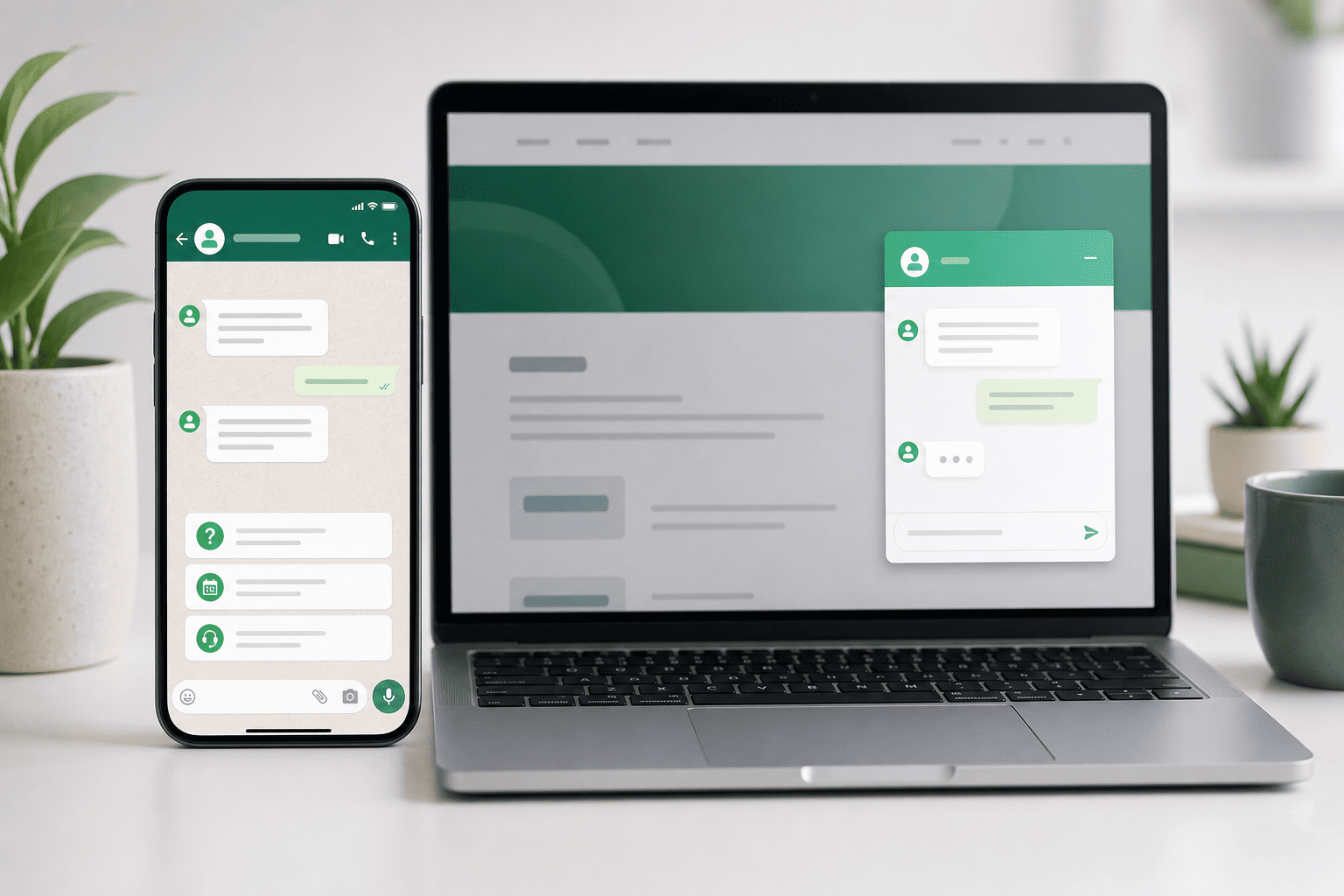
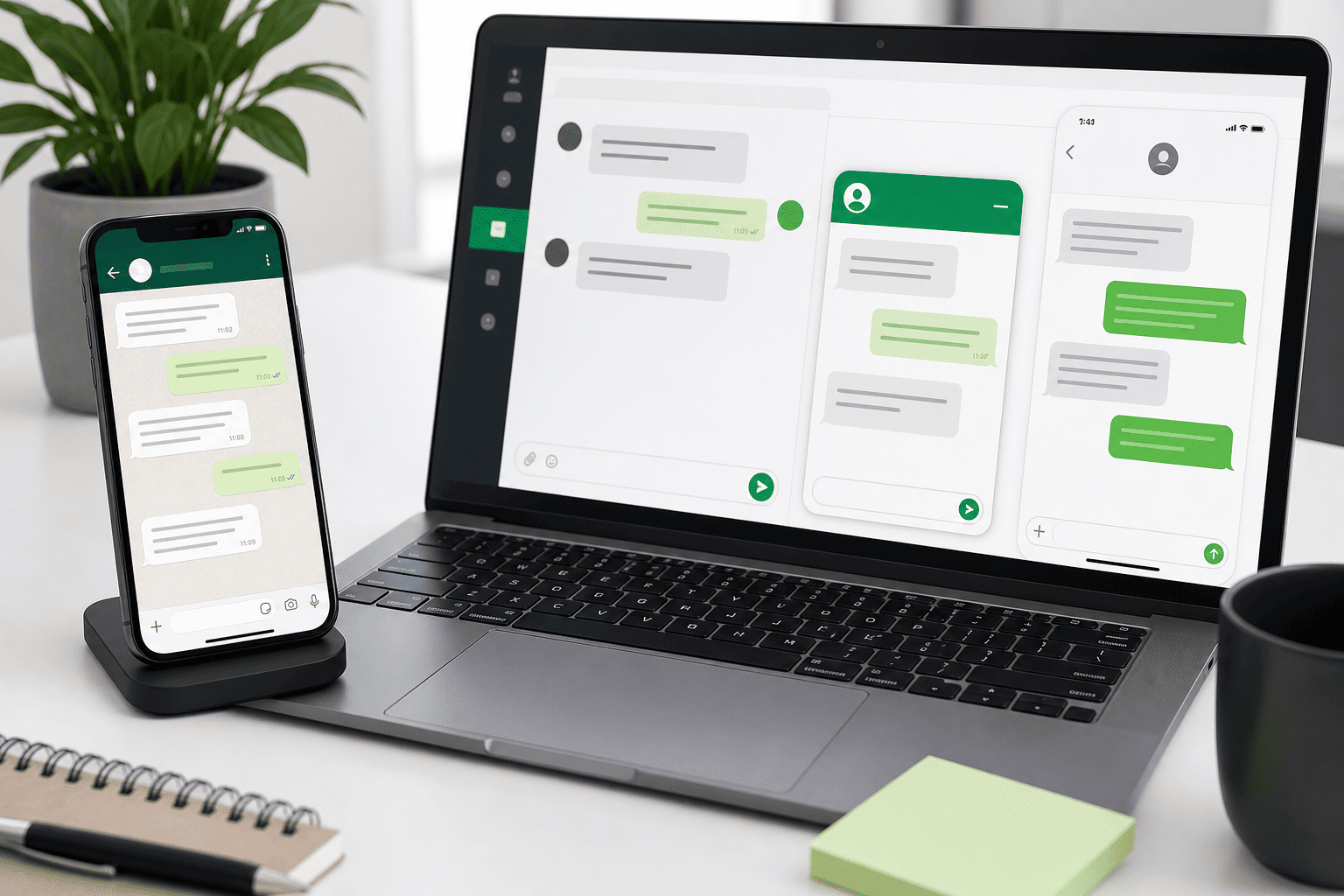
Under five minutes is not magic. It is a simple playbook: respond instantly, qualify in 2 to 4 questions, and route by intent with clear human or booking handoffs. The same conversation should continue across web, SMS, and WhatsApp to meet people where they are. This reduces friction, keeps context, and prevents duplicate effort. Below are battle-tested flows you can deploy as modules.
- Web front door – instant intent capture: Open with a specific question, like pricing, support, or demo, to reduce bounce and collect context fast (ref: Kubaru). Ask for a name and preferred channel only when the user shows intent, which keeps the chat fast and mobile friendly. Offer a one-click booking link for hot leads. Keep your knowledge base close to answer FAQs.
- SMS continuation – keep the thread alive: When a visitor shares a phone number, continue the same chat on SMS so they can reply on the go (ref: Voiso). Use short messages, confirm intent, and ask one question at a time. Automate reminders for quotes and appointments. Trigger a human only when negotiation or a call is requested.
- WhatsApp always-on – global and multilingual: Reply in the same thread customers already use, which raises open and response rates in many regions (ref: Podium). Support multilingual answers and rich links for product info or booking pages. Keep an escalation word list, like pricing objection or contract terms, to alert sales. Store transcripts back to your CRM for full context.
- Qualification in 2 to 4 questions – never more: Ask for company size, need type, urgency, and the best contact line, then stop and route (ref: LeanData). Do not overload forms with 10 fields because it slows everything down. Use progressive profiling to enrich later. This keeps the first five minutes crisp and useful.
- Routing by intent – clear gates and SLAs: Set rules like demo or pricing goes to sales, support issues go to customer success, and low intent goes to nurture with a helpful recap (ref: Voiso). After-hours, the AI continues the chat and books a slot. For hot leads, alert a human in under two minutes. Write each rule in plain language so anyone can audit it.
Here is a simple timebox you can try today: 0 to 10 seconds the AI greets and detects intent. 10 to 60 seconds the AI confirms need and gets one contact line. Under two minutes, route and notify. Under five minutes, either a human joins or a meeting is booked for high intent. These benchmarks align with research that highlights five minutes or less as the key threshold for strong conversion odds (ref: Chili Piper).
Tip: You can launch these flows with Noem.ai in a few steps, then adjust voice, qualification rules, and escalation thresholds without code, so you stay in control while moving fast (ref: Noem.ai).
Founder control without micromanaging: AI-first, human-governed Kubaru
The best system is not fully autonomous. It is AI-first and human-governed, which means the AI handles the first exchange and gathers context, then hands off only when a clear rule is met. This protects your brand while keeping speed. It also makes reporting cleaner because you can trace every decision to a rule. Founders should decide where the line is between fast automation and human finesse.
- Brand voice and approved answers: Define tone, product names, and ready-to-send responses for common questions, so replies feel on-brand every time (ref: Podium). Keep a short list of banned phrases to avoid confusion. Update answers weekly based on what customers ask. This keeps chat quality high without slowing replies.
- Qualification rules that map to your funnel: Document which answers count as high intent, which go to nurture, and which require human review first (ref: LeanData). Use fields like budget timeline or use case when needed, but avoid long surveys. Add an urgency score to push true buyers forward. This preserves speed while filtering noise.
- Escalation thresholds and working hours: Set alerts for phrases like need a quote, want a demo, or cancel order, and specify who gets pinged during business hours versus after-hours (ref: timetoreply). After-hours, let the AI book meetings, collect files, and reassure customers. During the day, a human can jump in within minutes. Clear thresholds keep founders in the loop only when needed.
- Omnichannel continuity and logging: Make sure web, SMS, and WhatsApp feed one timeline in your CRM so nothing is lost when a customer switches channels (ref: Voiso). This cuts duplicate contacts and shortens resolution time. It also gives managers a single view for coaching. Clean data makes optimization easier.
- Weekly reviews and tighten-ups: Track average, median, and P90 response times because averages can hide outliers where leads wait too long (ref: LeanData). Review the top five missed intents and fix the knowledge base. Adjust routing for patterns you see. Small weekly changes keep the system sharp and fast.
If you want a simple way to manage all of this, Noem.ai gives you knobs for voice, rules, and escalations, so you can stay founder-led while scaling speed across web, SMS, and WhatsApp without heavy ops work (ref: Noem.ai).
Ecommerce and Shopify shortcuts that pay off fast Chili Piper
Ecommerce teams win big when they shrink response time on product, shipping, and return questions. Many of these are repetitive, so an AI chatbot can answer right away, then escalate when the issue is complex. This keeps carts moving and reduces refund anxiety. It also frees human agents for nuanced conversations that raise lifetime value. Here are the highest impact moves.
- Product and fit questions on PDPs: Answer sizing, compatibility, and inventory in seconds to stop shoppers from bouncing to a competitor tab (ref: Podium). Offer one-click add to cart or a save for later link inside the chat. If the shopper hesitates, capture SMS or WhatsApp to follow up with a helpful reminder. This replaces tab hunting with friendly guidance.
- Shipping, returns, and discounts: Provide real-time updates, return windows, and available promos to cut uncertainty that kills checkout velocity (ref: Kubaru). If a discount is asked for, present a rule-based offer or route to an agent if it is a high-value cart. Keep answers short and clear. The goal is to keep buying friction low.
- Cart abandonment rescue via SMS and WhatsApp: When a shopper leaves, continue the same conversation on SMS or WhatsApp with a simple question or a one-tap checkout link (ref: Voiso). Timing matters, so reach out quickly while intent is warm. Be helpful, not pushy. A soft nudge can lift recovery without eroding margin.
- Post-purchase support that builds loyalty: Use chat to confirm orders, answer where is my order, and share return labels on demand (ref: LeanData). Quick answers reduce ticket volume by resolving common cases up front. For tricky issues, escalate to a human with full context. Great support keeps customers coming back.
- Shopify chatbot integration basics: Place a lead conversion chatbot on landing and pricing-like pages, and a customer support chatbot on help and order pages (ref: timetoreply). Set a 5-minute SLA for hot leads and a same-day SLA for low-intent topics. Use one knowledge base for answers, so updates apply everywhere. Keep your checkout protected by fast, accurate replies.
These moves turn slow questions into fast confidence. The result is higher contact rates, smoother checkouts, and fewer tickets. When done with discipline, Ecommerce speed-to-lead compounds, and the wins show up in conversion rate and repeat purchase trends. That is exactly what a 24/7, AI-first front line is built to do.
Your under-5-minute operating model and the metrics that prove it Voiso
A clear SLA keeps everyone honest. Use a simple timer: 0 to 10 seconds the AI opens the conversation. 10 to 60 seconds it qualifies with 2 to 4 questions. Under two minutes routing and alerts are sent. Under five minutes a human joins or a meeting is booked for hot cases. This aligns with research that treats five minutes as the make-or-break window for contact and conversion lift (ref: Podium).
- Measure response time distribution: Track average, median, and P90 so you catch outliers that hide inside a good-looking average (ref: LeanData). If your P90 is high, a subset of leads is suffering, which drags revenue. Fix by adding after-hours coverage or revising routing rules. Distributions tell the truth.
- Monitor lead-to-contact and booked-meeting rates: These two metrics tie speed to actual outcomes, not just vanity numbers (ref: Kubaru). If lead-to-contact rises after you deploy chat and SMS, the system is working. If booked-meetings do not move, refine qualification or calendar access. Always connect speed to pipeline.
- Track after-hours capture and bot-to-human handoffs: High after-hours capture shows your 24/7 setup is saving otherwise lost leads (ref: timetoreply). Healthy handoff rates mean the bot is handling common work and escalating appropriately. Too many handoffs may mean your answers are thin. Too few might hide missed opportunities.
- Compare conversion by channel: View web, SMS, and WhatsApp separately so you can invest where the response and conversion are strongest (ref: Voiso). If WhatsApp outperforms in certain regions, move more follow-ups there. If SMS shines for appointment reminders, lean in. Let data guide small, steady tweaks.
- Audit knowledge coverage weekly: Pull the top 20 questions across channels and update answers in one place so accuracy rises everywhere (ref: LeanData). Better answers mean fewer escalations and faster resolutions. This is compound improvement you can feel. Treat your knowledge base like a product.
When you are ready to put this into practice, start with one page, one SMS flow, and one WhatsApp entry point. Prove the under-five-minute SLA on a small surface first. Then expand to the rest of your funnel with confidence. If you want a faster start, test it on your highest intent page and measure for a full week.
Ready to deploy without duct tape? Try these steps with Noem.ai for a controlled rollout that moves fast and stays on brand: connect web chat, add SMS and WhatsApp, set intent rules, and turn on after-hours booking with approvals. You can go live in days, not months, while keeping founders in the driver seat (ref: Noem.ai).
FAQ
- What is a good lead response time benchmark? A strong benchmark is under 5 minutes for hot leads, with instant bot replies and human or booking handoff within 5 minutes.
- Do SMS and WhatsApp really improve conversion? Yes. They raise contact rates by meeting people in their preferred channels and keeping one continuous thread.
- How many questions should qualification include? Keep it to 2 to 4 questions: need type, urgency, company size, and best contact line.
- How do I handle after-hours leads? Use a 24/7 chatbot to answer, qualify, and book the next slot, then alert a human for hot cases.
- What should I measure weekly? Track average, median, and P90 response time, lead-to-contact, booked meetings, after-hours capture, and bot-to-human handoffs.
Every lead you answer late is one your competitor may already be closing. Want to ship these flows in days, stay in control, and hit under five minutes across web, SMS, and WhatsApp? Take these playbooks and launch your first flow today.