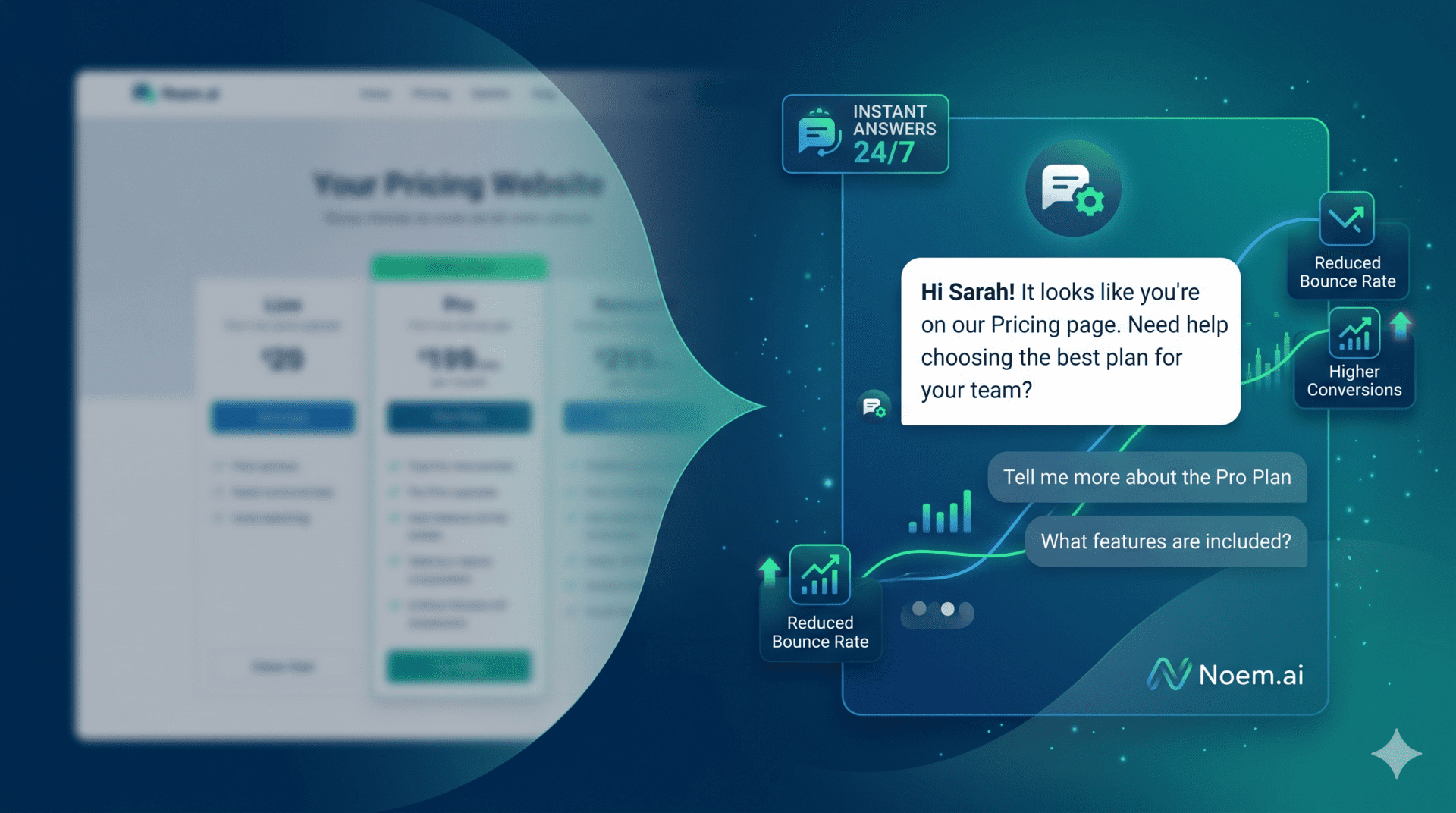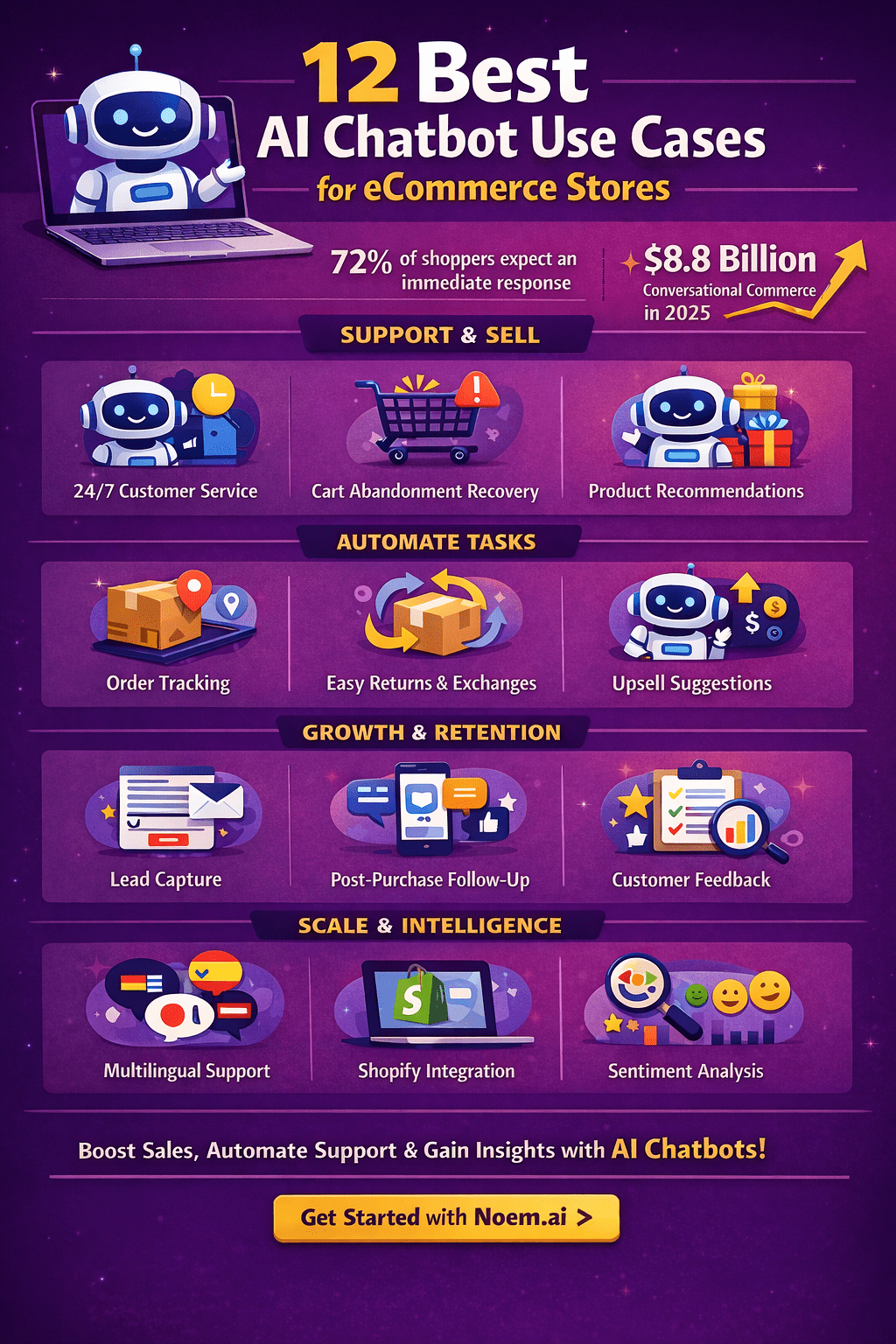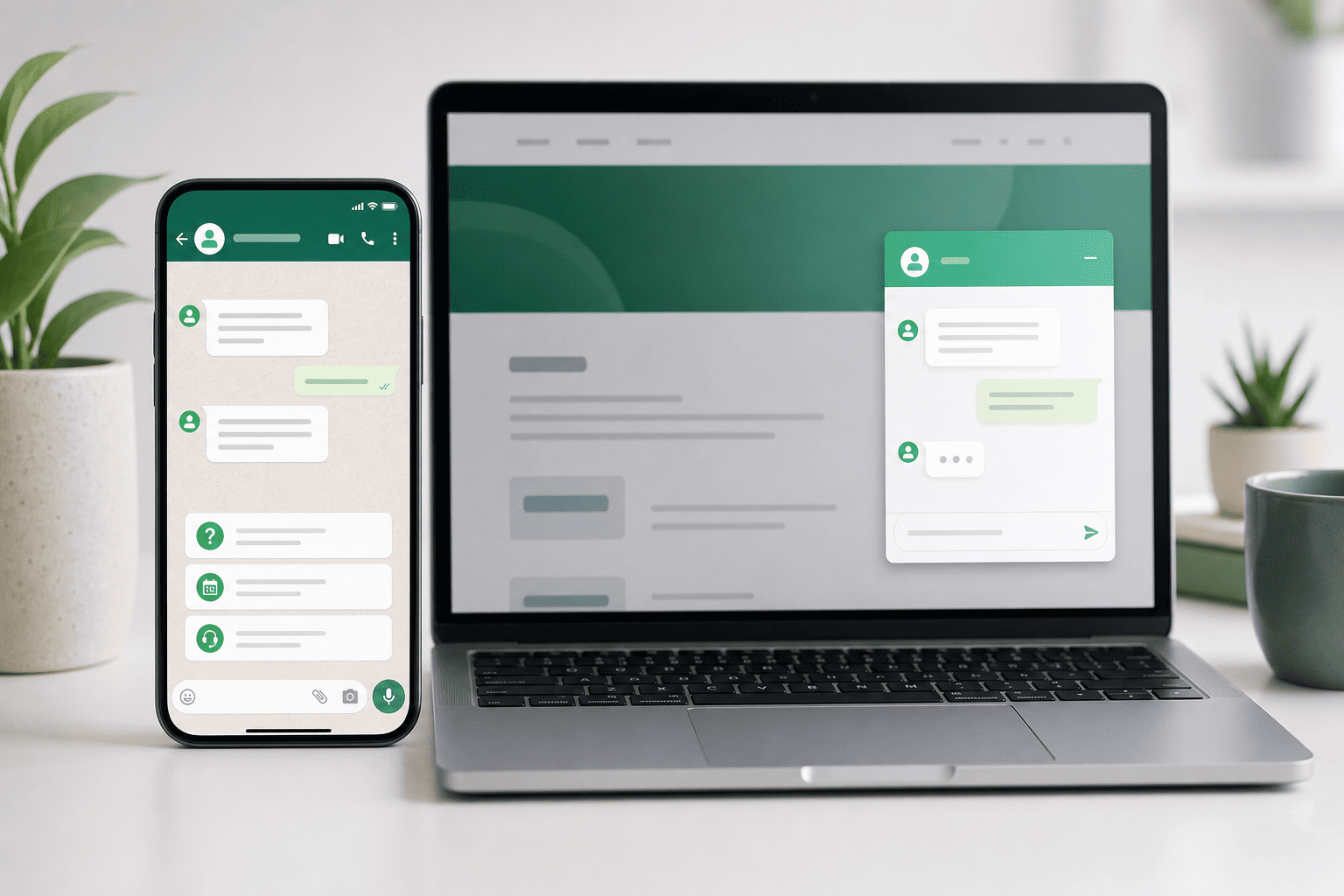
Answer in 60 seconds by combining a website chatbot, fast SMS follow-ups, and WhatsApp lead qualification and nurturing. Automate simple questions, qualify with 2 to 4 prompts, then route hot leads to sales. Use 24/7 AI chatbots to catch after-hours demand. Keep one continuous conversation across channels and languages for higher conversions.
Key Points
These are the core building blocks of a 60-second, high-converting funnel for website, SMS, and WhatsApp conversations (Infobip).
- Website chatbot for instant capture
- SMS recovery for missed leads
- WhatsApp lead qualification and nurturing
- 24/7 AI for after-hours questions
- Shopify and ecommerce automations
- Multilingual support across channels
- Intent-based routing to people
- One conversation across channels
Why slow replies kill conversions
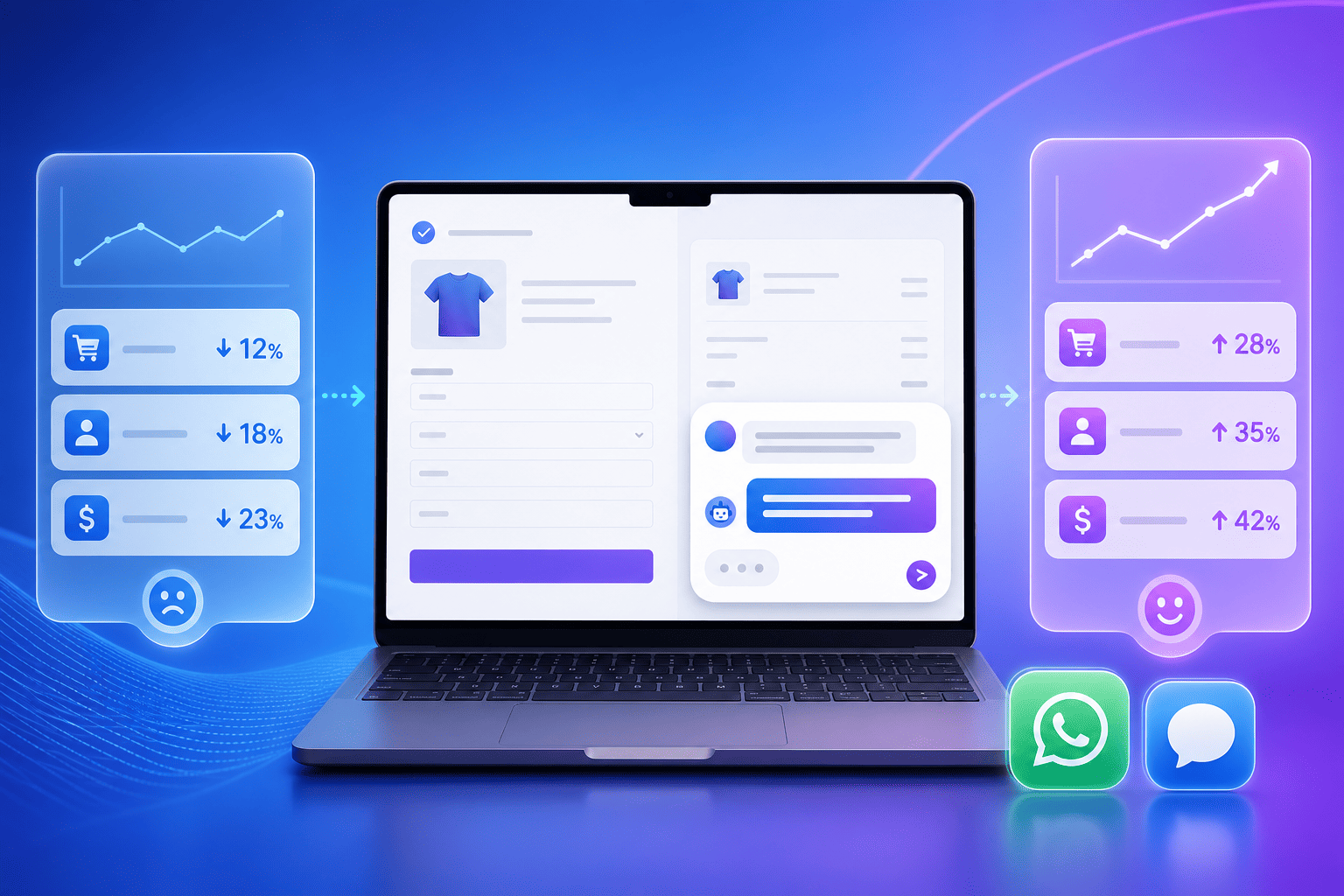
When replies are slow, buyers leave. Research shows buyers expect quick answers and will abandon pages when they do not get them in time. Forrester, via LivePerson, reports that 57 percent of consumers will not wait more than 30 seconds for a website response, which means speed is a major conversion lever, not just traffic volume (LivePerson via YouTube). Harvard Business Review found companies that respond within one hour are nearly 7 times more likely to qualify a lead than those who wait longer, and 60 times more likely than those waiting 24 hours or more (Harvard Business Review). These numbers show that a fast, multichannel system beats traditional forms and delayed callbacks.
Slow replies also make after-hours demand decay quickly. Many shoppers browse at night or on weekends, and simple pre-sales questions go unanswered until the next business day. By then, the buyer has moved on to a competitor that replied faster or offered self-serve options. A real-time funnel steps in to answer, qualify, and book or route, even when your team is offline. This improves customer experience and protects revenue you are already paying to attract.
Missed leads usually vanish silently. They do not complain. They simply exit and buy somewhere else. When your funnel sets the expectation that help is immediate and the next action is clear, you reduce friction at the exact moment of intent. Speed to lead is not a vanity metric. It is a direct predictor of pipeline health.
How Website, SMS and WhatsApp Work Together to Qualify Leads
A modern funnel blends channels to capture and qualify demand in real time. Your website handles the first touch. SMS recovers missed or delayed conversations. WhatsApp deepens the thread with personal, persistent chats. WhatsApp alone has over 2 billion users, which makes it a must for global communication and commerce (Meta). Designing with these channels together avoids silos and keeps momentum from click to close. It also meets buyers where they already spend time.
- Website: Convert anonymous traffic into conversations. Use a friendly chatbot that starts with value, not a blank prompt. Ask 2 to 4 qualifying questions, such as budget and timeline, then offer a next step like booking or a quick quote. Tie product context into the chat so buyers feel guided instead of interrogated. Publish click-to-chat buttons on pricing, product, and contact pages to reduce form abandonment.
- SMS: Recover missed or idle leads within minutes. SMS open rates are reported around 98 percent in industry analyses, which makes it far better than typical email engagement for time-sensitive follow-ups (QuickReply.ai). Keep messages short and focused on the next action, such as replying with 1 for sales or 2 for support. Use SMS for missed-call callbacks, form abandonment nudges, appointment reminders, and quotes that need a quick yes. Respect timing and opt-in rules to protect deliverability and trust.
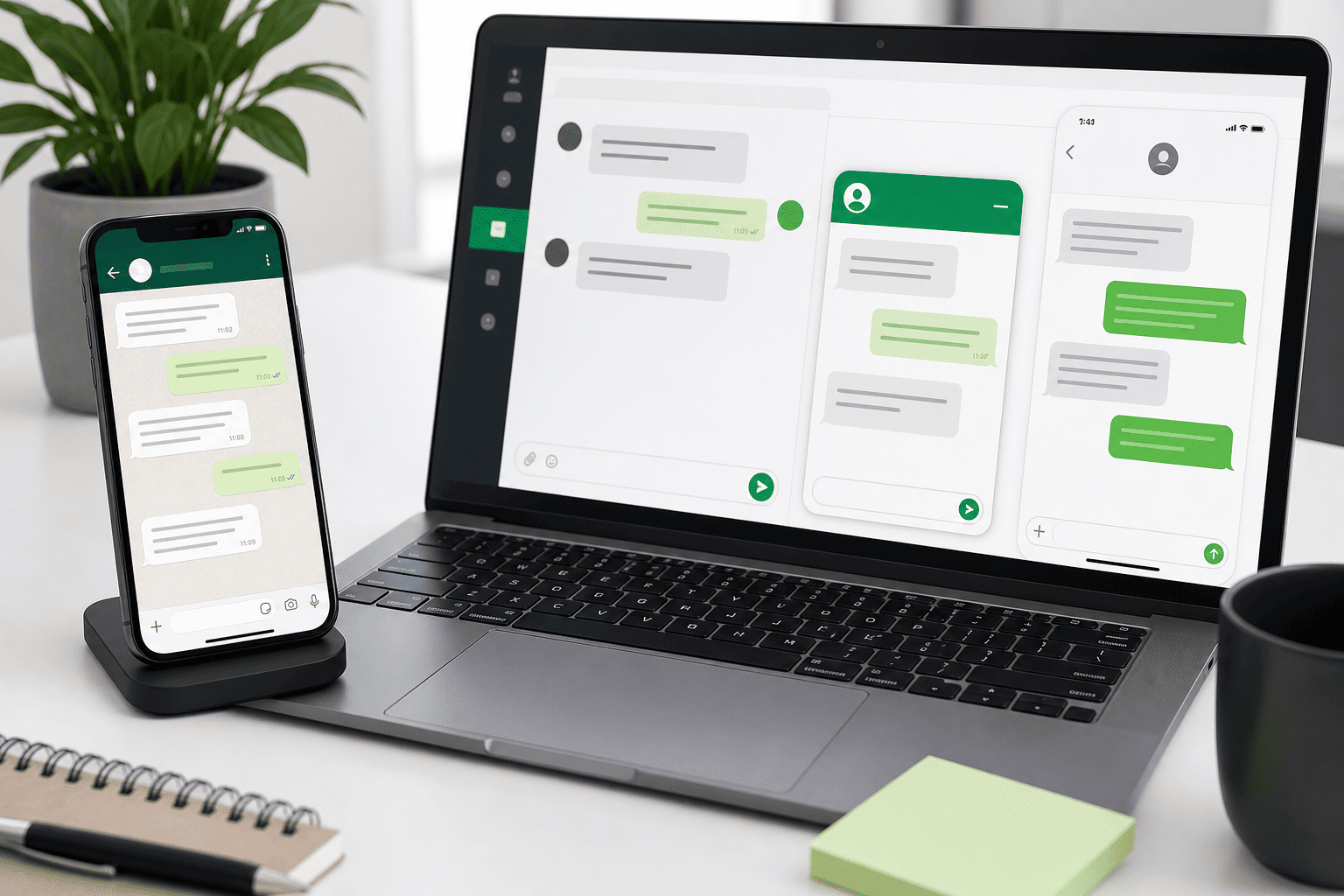
- WhatsApp: Qualify, nurture, and close in one thread. WhatsApp shines for high-intent shoppers, after-hours questions, and international audiences. Persistent threads, rich media, and buttons make it ideal for guided recommendations and quotes. A structured WhatsApp lead qualification flow can identify intent, urgency, fit, and the appropriate next step before the conversation reaches a sales representative. Start structured flows with qualifying questions, then hand off to human agents at key moments. With a massive user base, WhatsApp can centralize lead qualification and customer support in a single, persistent chat.
How WhatsApp Lead Qualification Works
A good WhatsApp lead qualification flow identifies the lead’s intent, fit, urgency, and preferred next step without making the conversation feel like a long form. Begin with a clear welcome message, ask 2 to 4 short questions using buttons or quick replies, and then route qualified leads to sales with their answers and conversation context attached.
Useful qualification questions include:
- What product or service are you interested in?
- When are you planning to get started?
- What is your budget or expected order range?
- Would you prefer a quote, demo, booking, or callback?
High-intent leads should be routed to sales immediately. Lower-intent leads can enter a nurturing sequence, while customer-support requests should move to the appropriate service queue.
The chatbot stack you actually need
You do not need complex enterprise workflows to win more leads. Most teams convert better by deploying three focused chatbot types that do a few things very well. That means a lead conversion chatbot on the website, a customer support chatbot for common questions, and an ecommerce automation layer for Shopify or similar platforms. This targeted approach keeps build time short and results measurable. It also allows simple iteration and faster A and B testing.
- Lead conversion chatbot: This bot greets visitors, identifies intent, gathers contact details, and asks 2 to 4 qualifying questions. It should offer clear options like pricing, booking, or product help. When a lead shows buying signals, it routes instantly to sales or opens a live chat. Keep flows short so visitors never feel stuck. Real examples on WhatsApp and web chat show short menus and quick routing lift conversions for high-intent traffic (Flowcart).
- Customer support chatbot: Support questions like shipping, returns, order tracking, and refunds often clog sales queues. A support bot answers these quickly, logs the ticket, and escalates only when needed. This keeps sales focused on revenue conversations while improving customer satisfaction. Build the bot with clear handoff rules and a one-click option to reach a person. WhatsApp support guides emphasize fast paths to answers and agents for the best experience (Retainful).
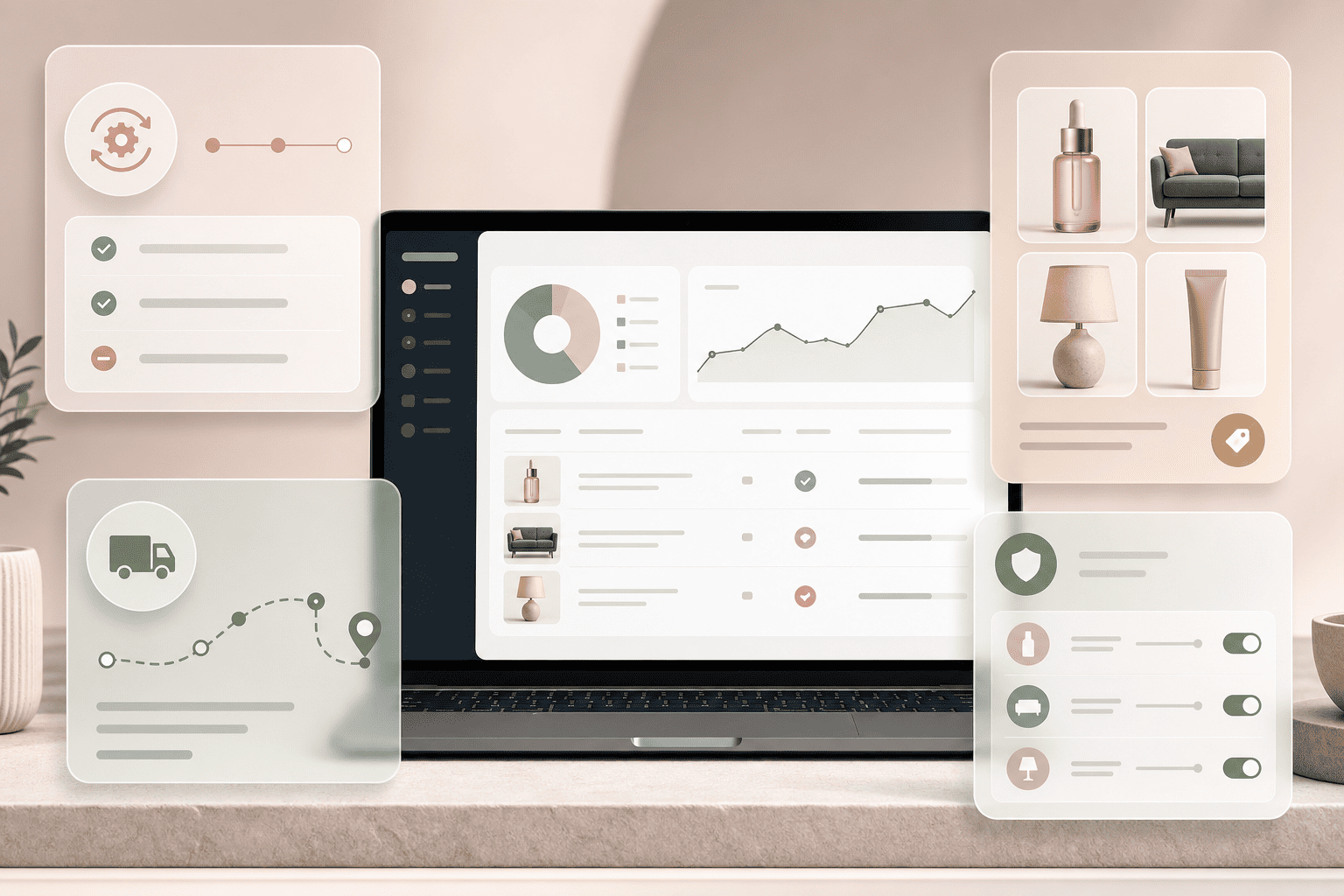
- Ecommerce support automation: For Shopify and similar stores, add automations for abandoned carts, product recommendations, shipping FAQs, and post-purchase updates. Trigger the right message based on browsing and cart activity, not just time delays. Use quick-reply buttons for size, color, or delivery options to remove friction. Tie these flows into WhatsApp to reach buyers where they already chat. Practical funnels for WhatsApp commerce show faster decision-making when context follows the shopper (Waslo).
After-hours questions are where AI pays for itself
Large chunks of buyer intent arrive when your team is offline. A 24 by 7 AI chatbot can greet visitors, answer simple questions, and queue urgent cases for immediate human follow-up. The goal is not to pretend to be human. The goal is to be helpful now, qualify accurately, and book or route without delay. Even a single saved high-intent lead can justify the effort. This is especially true on messaging channels where buyers expect near-instant updates (Channel Mobile).
- Always-on answers: Cover hours, pricing, stock, and service areas with clean, short replies. Offer a next step after each answer, like booking or a quick quote. Keep tone friendly and helpful, not scripted. Provide a visible path to a human when stakes are high or questions are complex. Buyers reward brands that make it easy to get unstuck at odd hours (Infobip).
- Fast qualification: Use 2 to 4 questions to score intent and urgency. Ask about budget, timeline, and location when relevant. For ecommerce, capture product interest and size or color right away. Store these details in your CRM so agents can see context instantly. Speed to relevance often matters more than raw speed alone (Harvard Business Review).
- Smart escalation: If a lead asks about enterprise pricing or a large order, escalate to sales immediately. For support, escalate when the bot cannot resolve an issue in two steps. Use SMS for urgent callbacks and WhatsApp for richer follow-up. Let the bot propose meeting times or connect straight to live chat when agents are online. Clear rules prevent loops and protect the experience (Retainful).
Multilingual support is not optional anymore
Language barriers quietly kill conversions, especially for international and multilingual communities. Modern buyers expect to ask questions in their language and get precise, friendly answers. Your funnel should detect language, reply in-kind, and route to the right region or agent when needed. This matters for both pre-sales and post-purchase trust. WhatsApp and web chat make switching languages seamless when the bot is trained correctly (Infobip).
- Detect and greet: Start by detecting browser or chat language automatically. Greet in that language and confirm preference. Offer a one-tap way to switch if detection is wrong. Use short sentences and common words to reduce misunderstandings. Buyers notice when a brand speaks with clarity and respect.
- Keep context across channels: If a lead moves from website to WhatsApp, carry the language preference forward. Do not ask the same questions twice. Store key answers so the next step is already prepared. This saves time and shows professionalism. It also reduces agent effort and speeds up closing conversations (Waslo).
- Localize offers and next steps: Currency, delivery options, and time slots should match the user’s region. Use WhatsApp buttons for local choices like pickup or same-day shipping. For service businesses, show available slots in the user’s time zone. These details build trust and reduce last-minute drop-off. Minor localization tweaks can lift conversions without new ad spend (Flowcart).
A simple funnel structure that works
You can launch a high-performing funnel without complexity. Start with a focused website chatbot, add SMS for recovery, and layer WhatsApp for ongoing conversations. Keep each step short and very clear. Use structured questions and guided choices. Then measure handoff speed and meeting booked rates to iterate. Practical WhatsApp lead-flow guides confirm that short, structured paths outperform long freeform chats (QuickReply.ai).
- Stage 1: Capture. Put chat on key pages like pricing, product, and checkout. Add click-to-chat links for WhatsApp and a clean SMS opt-in. Offer instant value like shipping estimates or a sizing guide. Show clear privacy and opt-out notes. Aim to answer the first question in under 10 seconds to build trust (Channel Mobile).
- Stage 2: Qualify. Ask what they need, budget range, timing, and location. For ecommerce, ask one product-specific question like size or color. Use quick replies to keep momentum. Keep the total to 2 to 4 questions whenever possible. Every extra question reduces completion rates, so be ruthless about what you ask (Infobip).
- Stage 3: Route. Send high-intent leads directly to sales with context included. Put support questions into a help queue or knowledge base flow. Allow buyers to choose sales or support with a button. Use business hours logic to switch between live agents and callbacks. Reduce waiting with smart routing rather than large, slow queues (Waslo).
- Stage 4: Follow up. If they pause, send a short SMS within minutes. Continue the thread on WhatsApp for richer options and product links. Add a single nudge 24 hours later if there is no response. For carts, share a direct restore link with a simple incentive. Persistent WhatsApp threads keep context alive and make replies easy (Flowcart).
- Stage 5: Close. When the lead is ready, offer booking, a quote, or direct checkout. Keep choices small and clear. Provide a human option for complex or high-value deals. Confirm details and send a summary to reduce rework. Clear closing steps reduce last-mile drop-off and create confidence (Retainful).
Best practices for higher conversion
Small changes drive big wins when combined. Focus on first-response speed, clarity, and next steps. Use proof points, social links, or shipping badges sparingly to build trust without distraction. Keep buttons short and specific. Monitor conversation drop points and test one improvement at a time. Lean guides on WhatsApp and conversion flows highlight the power of short, guided paths that remove guesswork (Infobip).
- Keep questions short. Ask only what you need for routing and value. Two to four questions typically balance data with speed. Longer flows feel like forms and cause exits. If you need more detail, collect it after the handoff or in a follow-up message. Protect the momentum of the moment.
- Make the first message useful. Replace “How can I help?” with a quick menu like Pricing, Support, or Booking. Offer a common shortcut such as order tracking or shipping estimate. Specific first messages increase replies because they lower effort. Pair the menu with a friendly sentence to feel human. A fast useful start beats a generic greeting.
- Use one conversation across channels. If a visitor starts on the website, continue on SMS or WhatsApp with full context. Do not ask the same things again. Carry language, location, product interest, and contact details. The seamless handoff shows competence and saves time. It also prevents the frustration that kills leads.
- Route by intent, not department. High-intent buyers should reach sales in seconds. Medium-intent buyers can get nurture flows, content, or demo scheduling. Support tickets should never block revenue conversations. Clear intent tags in your CRM make routing faster and smarter. Your queue should be a priority engine, not a parking lot.
- Build for after-hours. Assume your best lead might arrive at 10:30 p.m. Offer answers, a price range, and an option to book. If the bot cannot help, capture details and propose a callback window. Follow up by SMS within minutes when appropriate. This is where being always ready saves deals.
The bottom line
Answer in 60 seconds is not a slogan. It is a simple operating model for capturing intent the moment it appears. Combine website chat for instant capture, SMS for fast recovery, and WhatsApp for personal qualification to win more conversations. Use 24 by 7 AI chatbots to answer after-hours, and route hot leads to people immediately. Ready to turn missed leads into meetings this week?
Frequently Asked Questions About WhatsApp Lead Qualification
- What is a lead-qualification funnel across website, SMS, and WhatsApp?
A step-by-step system that captures, qualifies, and routes leads using website chat, SMS follow-ups, and WhatsApp conversations. - How fast should my funnel reply?
Aim to respond within 60 seconds. Faster replies increase qualification odds and reduce bounce. - Why add WhatsApp to my funnel?
WhatsApp has massive reach and persistent threads, making it ideal for personal qualification and follow-ups. - Do I need a chatbot for after-hours?
Yes, a 24/7 chatbot answers common questions, qualifies leads, and books demos when your team is offline. - Can this work for Shopify stores?
Yes. Use ecommerce automations for carts, product help, shipping FAQs, and post-purchase updates tied to behavior.