Website engagement strategies are the specific actions, tools, and setups businesses use to turn passive website visitors into people who interact, ask questions, and convert.
Getting traffic to your website is one problem. Getting that traffic actually to do something is a completely different matter.
Most businesses have some version of website engagement strategies. But the ones seeing real results right now are pairing those strategies with AI chatbots for websites, and the difference is significant.
According to Marketing LTB’s 2025 chatbot statistics report, 72% of customers already expect instant messaging support on websites. Visitors are arriving with questions. Most sites give them silence instead of answers.
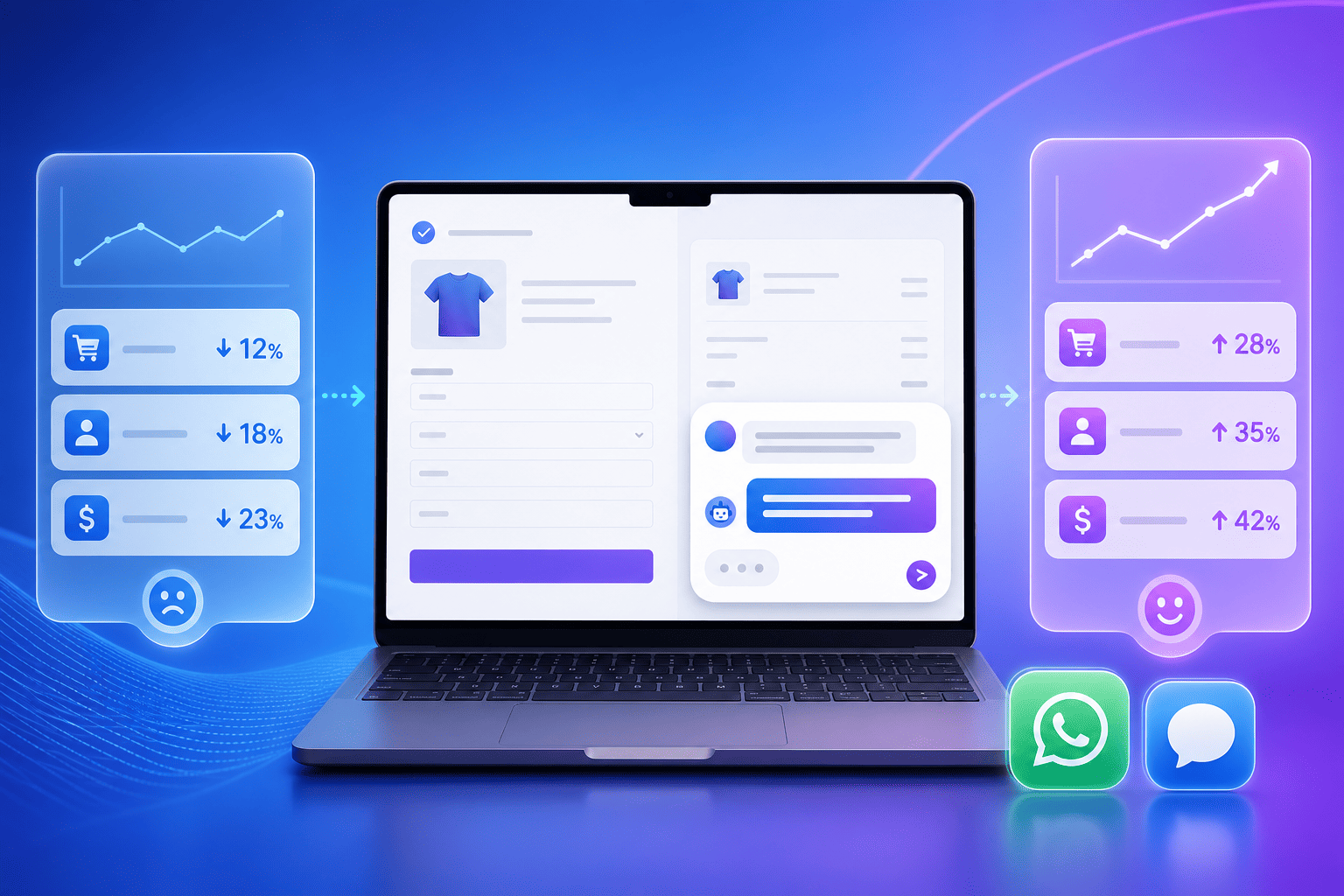
The fastest way to improve website engagement right now is by adding an AI chatbot that responds to visitors the moment they arrive, not when your team gets back to them. Businesses using chatbots see measurable drops in bounce rate and higher lead capture on the specific pages where the bot runs, without adding a single hire.
These 13 website engagement strategies get sharper results when an AI chatbot handles the real-time work.
Why do AI chatbots for websites change how engagement works?
A page gives information. An AI chatbot on a website starts a conversation. One of those moves a visitor closer to a decision, and the other hopes they find what they need on their own.
Noem.ai handles up to 80% of customer interactions automatically. Your team focuses on the conversations that genuinely need a human. Everything else gets handled the moment a visitor asks.
How do AI chatbots improve website engagement?
When a visitor types a question into your chatbot, they have already told you what they need. That is more useful than any heatmap or scroll tracker because they said it out loud. Most businesses running basic website engagement strategies never get that moment of clarity.
1. Match your opening message to the page, not the whole site
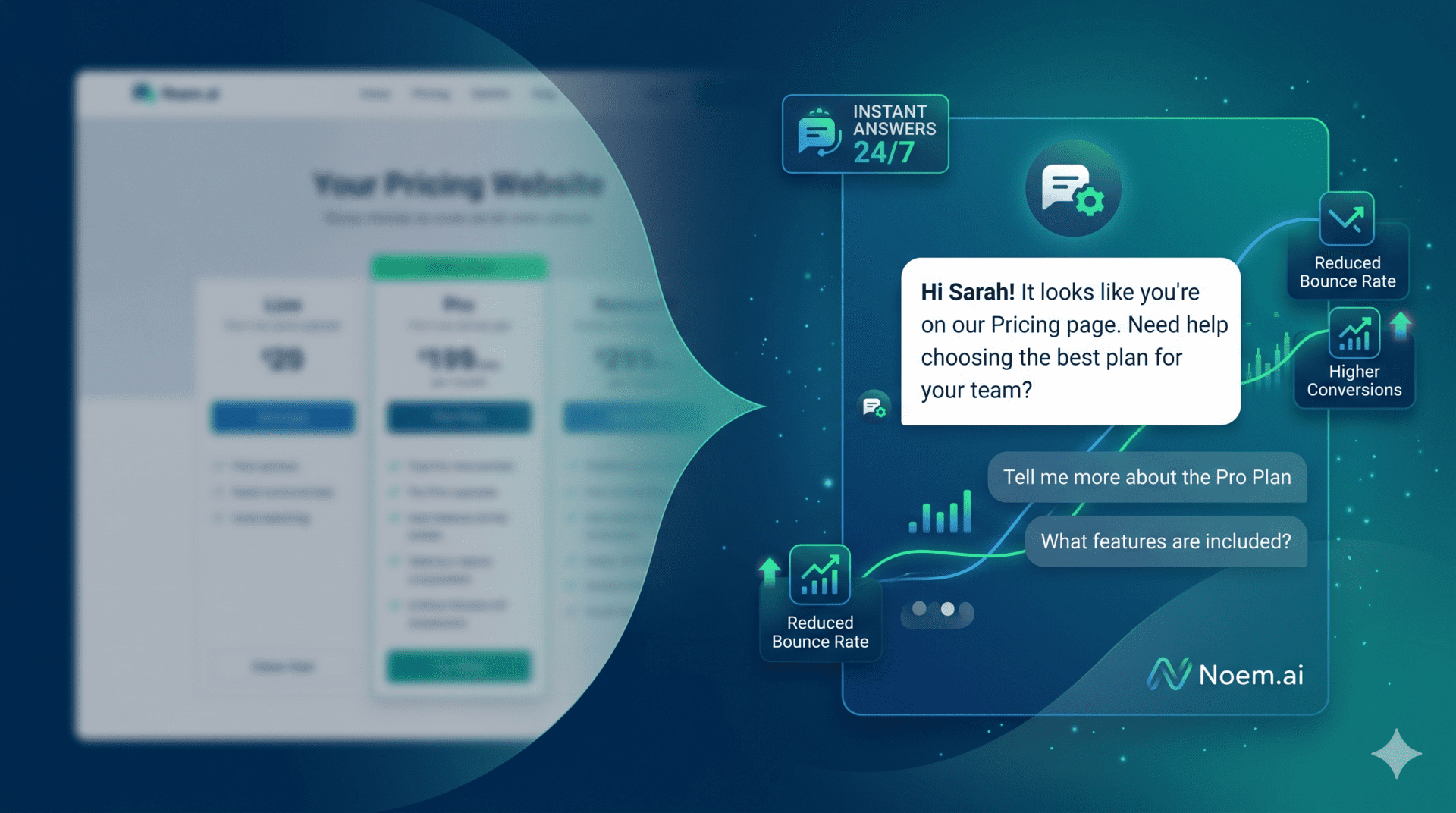
Your pricing page visitor already has a specific question in mind. Greeting them with “Hi, how can I help?” wastes that moment. Something like “Need help choosing a plan?” tells them the bot actually knows where they are. Most visitors on that page are one good answer away from moving forward.
2. Qualify leads through conversation rather than through forms
Forms ask people to stop what they are doing and fill something out. Conversations let people keep moving while sharing the same information. Ask “What are you looking for?” and “What is your timeline?” and you collect what your sales team needs without the friction of a five-field form. According to Marketing LTB, 63% of B2B companies now use chatbots for lead qualification because conversation converts where forms do not.
3. Put your chatbot where buying decisions actually happen
Most businesses place their chatbot on the homepage because it gets the most traffic. But the homepage is where people are still figuring out if they care. Your pricing page, comparison page, and product pages are where people are deciding. Place your AI chatbot for customer engagement on those pages, and let it quietly handle the questions that are killing conversions every day.
See how Noem.ai deploys across high-intent pages.
4. Stay available around the clock without adding headcount
Your team works set hours. Your visitors do not. A chatbot answers at 11 pm the same way it answers at 11 am, and according to Master of Code’s 2025 chatbot research, 62% of consumers prefer engaging with a chatbot rather than waiting for a human agent. That is why AI chatbots for websites are now a baseline expectation, not a bonus feature.
5. Make returning visitors feel like the conversation never stopped
When someone visits your site a second time, starting the chat from zero wastes the trust you already built. A bot that references what a visitor looked at before, or the question they asked on their last visit, tells them you were paying attention. People engage more with businesses that remember them. Noem.ai’s AI customer engagement stores that context automatically, so the next conversation picks up where the last one left off.
6. Trigger the chat based on behavior rather than on arrival
Launching a chatbot the second someone lands on a page interrupts visitors before they have read anything. Triggering it after they scroll to 60% of the page or spend 45 seconds without clicking reaches them when they are already engaged. Interruption pushes people away. Well-timed help pulls them in.
Noem.ai’s deployment settings let you control exactly when and where the bot appears.
7. Guide visitors to the right content instead of making them search for it
Some visitors know what they want but cannot find it. One honest question from your chatbot gets them there faster than your navigation ever will. For businesses with several services or products, that single interaction is often the difference between a visitor who converts and one who leaves to search somewhere else.
8. Capture feedback at the moment it is most honest
Exit surveys arrive after someone has already left. A chatbot question, “Did you find what you needed?”, asked right after a key interaction, arrives while the experience is still fresh. Those answers are more accurate and more useful. They show you exactly which parts of your website engagement strategies are working and which ones are losing people silently.
9. Use chatbot conversations to find the gaps in your content
Every question your bot struggles to answer is a page you have not written yet. Every question that repeats week after week is a gap your visitors keep falling into. Review those questions regularly and update your FAQs, product pages, and blog posts to address them. Your AI-powered customer engagement data is one of the most honest content briefs you will ever get.
Noem.ai’s weekly insights report automatically surfaces those patterns.
10. Run the same bot across every channel your customers use
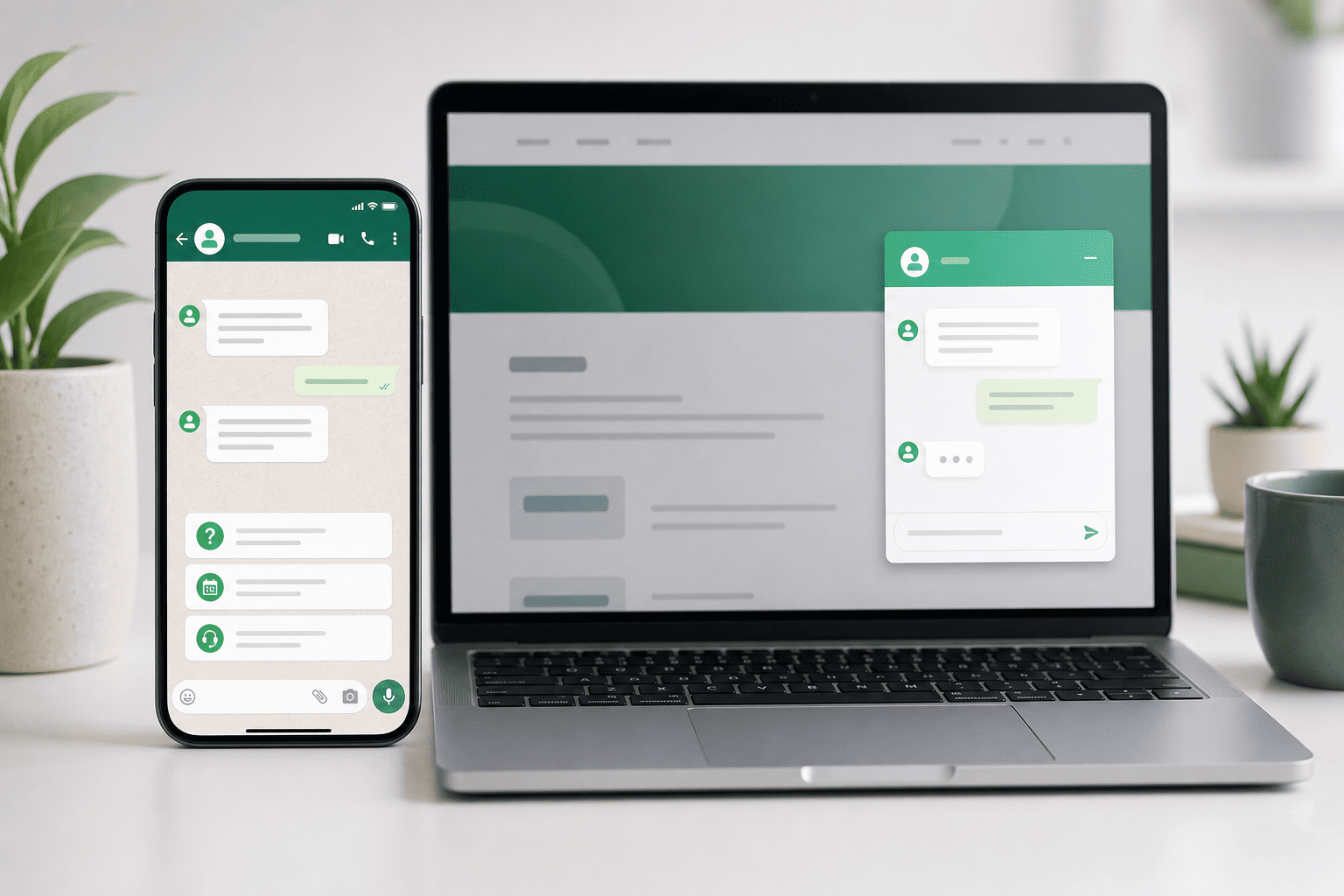
Your website is one of the places people find you. WhatsApp, SMS, and social DMs are others. A visitor who gets a confident answer on your website and a confused one on WhatsApp will trust your brand less, not more. An AI chatbot for customer engagement running the same knowledge base across every channel means no visitor gets a different answer depending on where they find you.
11. Follow up on conversations, not just on clicks
Most follow-up sequences treat every lead the same way. A visitor who asked about your enterprise plan gets the same email as someone who asked about your free trial. That is a missed opportunity. Trigger follow-ups based on what each visitor actually discussed with your chatbot, and your outreach stays relevant instead of generic. Relevant follow-ups get read. Generic ones get deleted.
12. Let the bot flag conversations that need a human
An AI chatbot for websites handles most conversations well. But some visitors are frustrated, confused, or ready to buy and just need a real person to close the deal. Noem.ai’s Sentiment and Activity Analysis does exactly that, flagging negative sentiment in real time so you can step in before the visitor walks away.
13. Keep booking inside the chat rather than sending people elsewhere
For service businesses, the most common reason people do not book is not that they changed their mind. It is that the booking process added a step they did not want to take. A chatbot that handles scheduling in the chat window, as Noem.ai does across web, SMS, and WhatsApp, removes that extra step entirely.
See Noem.ai’s plans and get started free.
Does AI customer engagement affect SEO rankings?
Yes, and the mechanism is straightforward. Search engines look at how long visitors stay on your pages and how many pages they visit. AI customer engagement keeps visitors in active conversations, raising dwell time and lowering bounce rates on the pages where the bot runs. According to Tidio’s chatbot analytics research, chatbots increase average time on page and produce measurable improvements in SEO signals on the specific pages where they are deployed. Every page where you actively improve website engagement through chatbot conversations sends stronger behavioral signals back to search engines over time.
Is AI-powered customer engagement worth it for smaller teams?
A small team cannot staff support around the clock, but visitors still arrive at all hours with questions that need answers. AI-powered customer engagement handles lead capture, common questions, booking requests, and follow-ups automatically. A small business using AI chatbots for customer engagement answers at the speed of a much larger team without adding a single hire.
Conclusion
Most websites give visitors information and then hope for the best. These 13 website engagement strategies work because they replace that passive approach with active conversations that happen at the right moment, on the right page, with the right message.
AI chatbots for websites are what make that possible without expanding your team. Want to see how it works? Start your free Noem.ai trial and have your first chatbot live on your site in minutes. No code. No credit card. No commitment.
Frequently Asked Questions
What are website engagement strategies?
Website engagement strategies are the specific tools and setups businesses use to get visitors to interact with their site, rather than leaving after one page. The goal is to reduce bounce rates and increase the number of visitors who click, ask, book, or buy.
How do AI chatbots for websites help improve website engagement?
AI chatbots for websites respond the moment a visitor asks something, at any hour, without a human behind them. The conversations they handle also tell you what your visitors actually want, which makes your pages and follow-ups sharper over time.
What is AI customer engagement?
AI customer engagement uses artificial intelligence to automatically start and manage conversations with website visitors. Unlike a human agent, it never goes offline, and it gets sharper the more conversations it handles.
How does AI-powered customer engagement reduce bounce rates?
AI-powered customer engagement gives visitors an active reason to stay on the page rather than a passive reason to leave it. Tidio’s research found that chatbots increase average time on page and lower bounce rates on the pages where they run, which, over time, feeds into better search rankings.
Can small businesses effectively use AI chatbots for customer engagement?
Yes, and small businesses arguably benefit the most. Platforms like Noem.ai handle lead capture, FAQ replies, booking requests, and follow-ups automatically. A small team using AI chatbots for customer engagement responds with the speed and consistency of a team several times its size, without the cost.