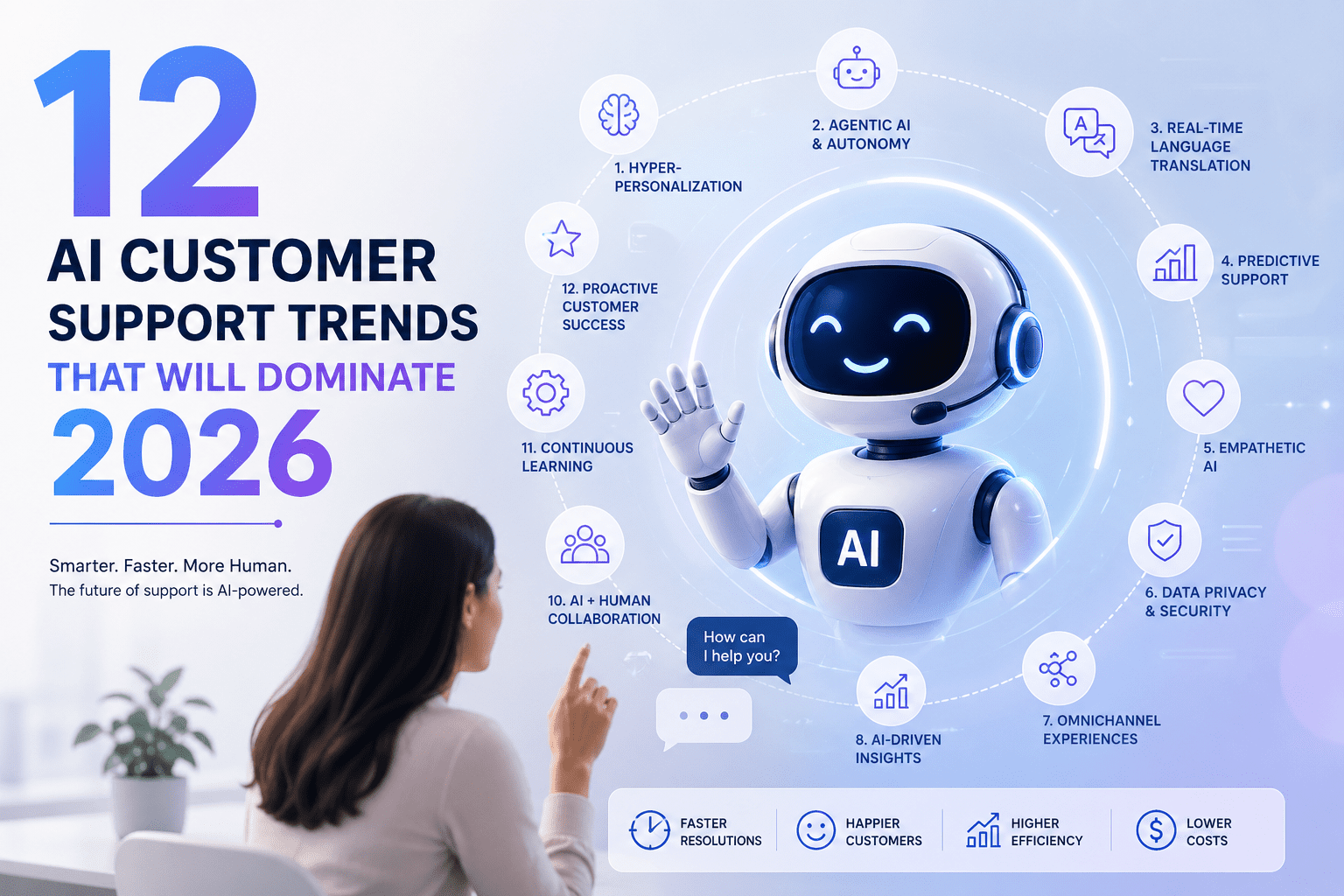
Customer expectations have a short fuse in 2026. One slow response, one robotic reply, and they are already googling your competitor. AI customer support trends are forcing businesses to rethink how tickets get handled, how agents spend their shifts, and what customers actually experience on the other end. For a small business or enterprise, the same pressure applies. Here is what is changing right now.
Looking at the latest projections from Polaris Market Research, the global market for AI in customer service is on track to hit $15.12 billion in 2026, growing at a 25.6% CAGR through 2034. The technology is no longer experimental. It is standard. If you want to see how businesses are already putting it to work, the Noem.ai AI customer support tools breakdown is worth a look before diving into the trends.
1. Agentic AI Handles Full Conversations, Beyond Basic FAQs
Agentic AI is a type of artificial intelligence that completes multi-step tasks independently, without needing a human to guide each step. It is a massive leap forward from the standard chatbots we are used to. Instead of just answering a question and stopping there, it handles the entire workflow on its own. It pulls up order details, processes a return, and fires off a confirmation email. No human needs to get involved at any point.
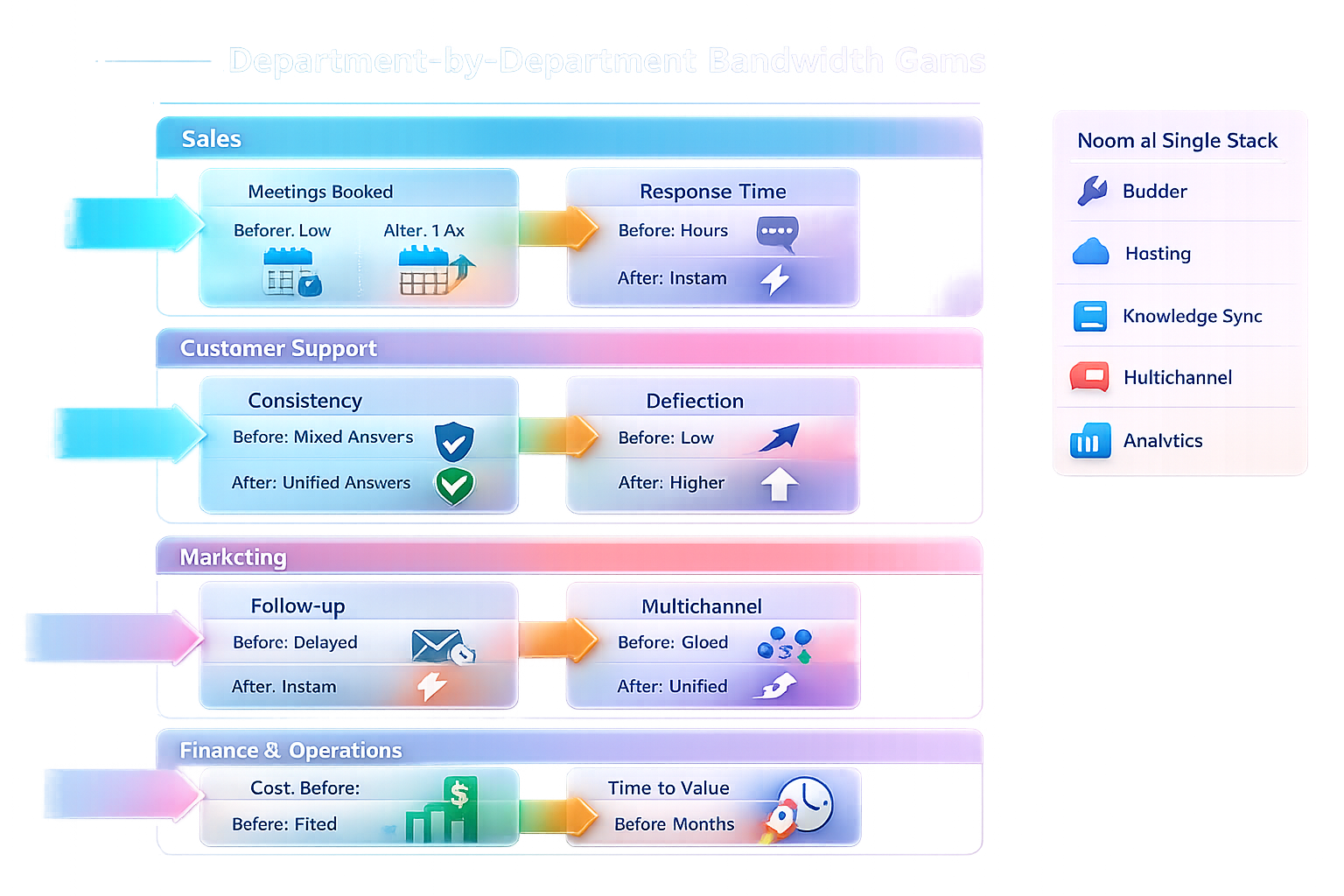
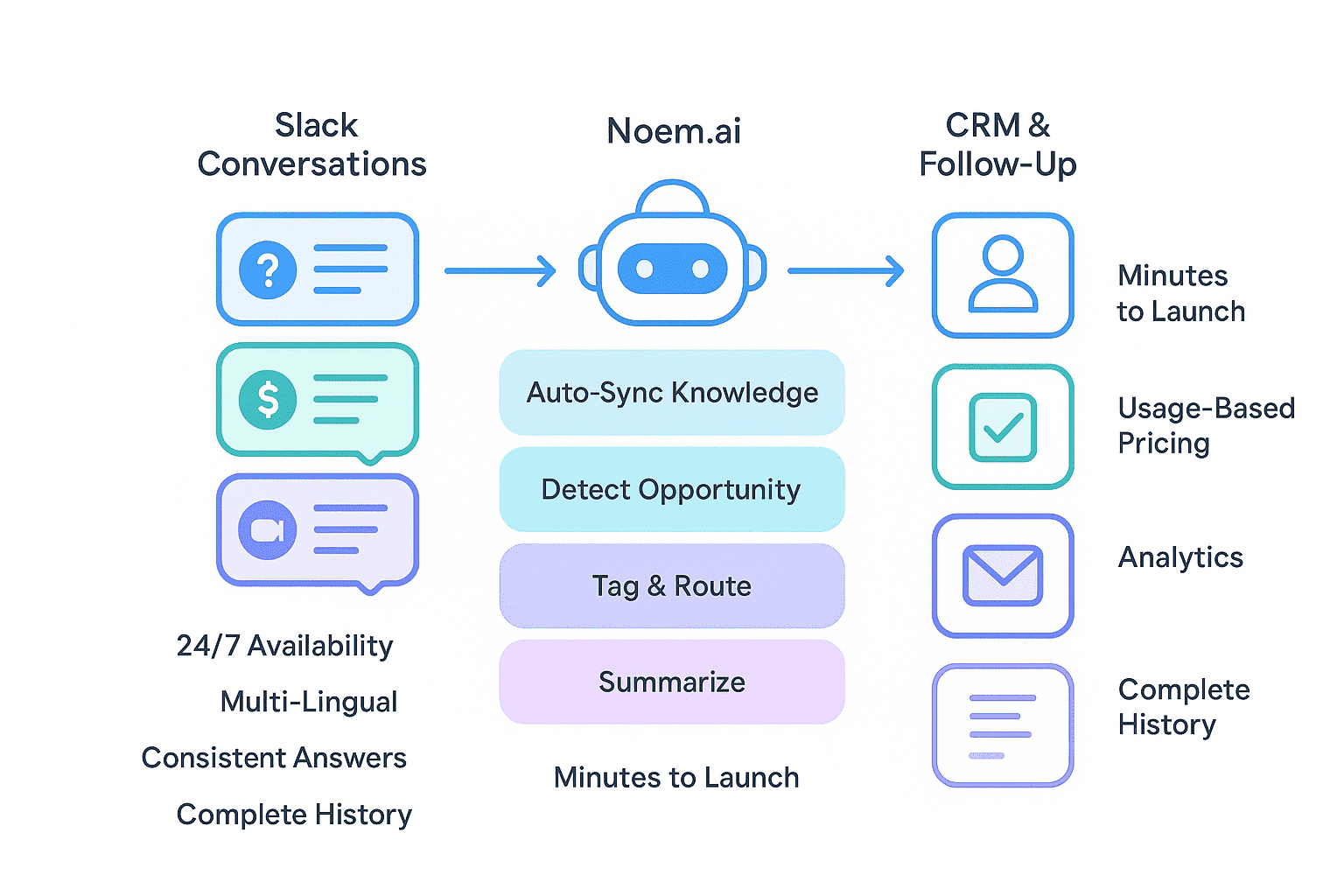
ServiceNow recently reported that its agents handle 80% of support inquiries autonomously. This has actually cut the time needed to resolve complex cases by 52%. Noem.ai is built specifically for this. Its AI agents handle up to 80% of customer interactions end-to-end, pulling from your knowledge base, responding instantly, and closing tickets without your team lifting a finger. The Buildfire team saw exactly this in action after switching to Noem.ai, cutting response times and freeing their agents for work that actually needed a human.
2. The Hybrid Model Is the Production Standard
Full automation sounds like a dream until a customer gets frustrated and hits a wall. The companies that are actually winning in 2026 use AI for routine tasks but hand off tasks to humans the moment a situation becomes emotional, complex, or high-stakes. Gartner found that 95% of customer service leaders still plan to keep their human agents regardless of how much they invest in AI.
The goal here isn’t to replace people. It is simply about smarter triage. Noem.ai handles exactly this split, managing routine queries around the clock so your human agents can focus on the conversations that actually need them.
| Query Type | Best Handler |
| FAQs, order status, and billing | AI agent |
| Complaints, refunds, churn risk | Human agent |
| Account changes, sensitive data | Human agent |
| After-hours, multilingual queries | AI agent |
3. Multimodal AI Is Redefining Customer Service Standards in 2026
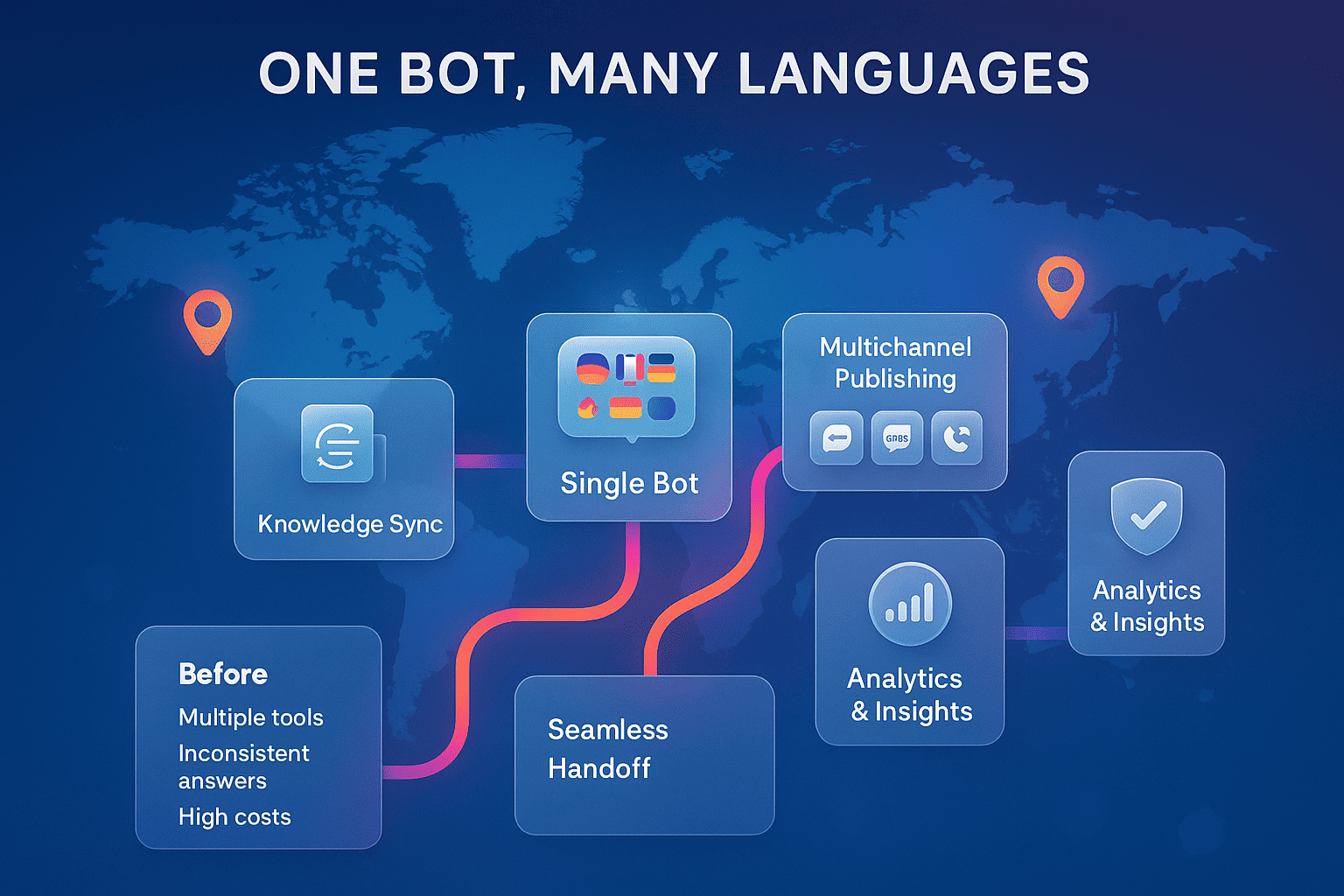
Omnichannel meant your customer could reach you on chat, email, SMS, or phone. Multimodal AI, meaning AI that processes text, voice, images, and documents inside a single conversation, goes further. Customers stay on a single thread regardless of how they reach out, and the AI never loses context. A customer can upload a photo of a damaged product and get a resolution in the same chat thread. That is where the standard is heading in 2026.
4. AI Copilots Coach Human Agents in Real Time
AI copilots sit inside your support interface and help agents while they work. They summarise past conversations, suggest the next best response, flag urgent sentiment, and surface the right knowledge base article before the agent has to look it up. Gartner found that connected rep technology can improve contact center efficiency by up to 30%. Your agents spend less time searching and more time actually solving problems.
5. Proactive Support Replaces Reactive Ticket Management
One of the biggest shifts in AI-driven customer support trends is the move away from waiting for complaints. Instead, businesses are reaching out before a problem even starts. Predictive AI tracks behavior signals to spot friction points and automatically triggers a helpful message. For example, if a customer fails to log in three times, they might receive a password reset prompt before they even consider opening a ticket. This proactive style reduces volume and makes customers feel like you are actually looking out for them. Zendesk’s 2025 CX Trends report found that speed is the single biggest driver of customer satisfaction, and proactive outreach directly reduces the time between when a problem starts and when a customer gets help.
6. Sentiment-Aware AI Reads Emotion and Adapts
Modern AI is doing a lot more than just processing text. It can now read tone and adjust its responses based on a customer’s mood. Research shows that customer satisfaction jumps by 20% when bots use emotional intelligence rather than rigid scripts. In fact, a SciTePress study found that sentiment-aware bots scored 9.13 in satisfaction compared to 8.41 for standard bots. Noem.ai’s sentiment-aware chatbot capabilities let you deploy this kind of emotionally intelligent support across every channel from a single dashboard.
7. Voice AI Moves to the Front Line
Voice AI is officially out of the testing phase. In April 2026, Home Depot introduced AI voice agents across 50 of its stores. Early data shows the system can figure out why a customer is calling in just 10 seconds. It also resolves issues four times faster than those old, annoying phone menus. Lowe’s made a similar move back in February 2026 to manage incoming calls. Both of these examples demonstrate that voice AI in customer service has successfully moved from a pilot project to full production.
8. The AI Governance Gap Is Growing
Many companies are launching AI faster than they can figure out how to control it. Vinod Muthukrishnan, VP of Customer Experience at Cisco, told NoJitter in April 2026 that trust needs to be built into these systems from day one rather than as an afterthought. AI can often sound very confident even when it is giving the wrong answer. This can lead to serious legal or brand issues if a customer follows bad advice. Solid governance frameworks are now a requirement for any serious AI customer support strategy to manage escalations and human reviews.
9. Hyper-Personalization Runs on Connected Customer Data
Generic support is a quick way to lose customers. By 2026, the most effective AI in customer service support setups will use CRM data, purchase history, and previous tickets to customize every single conversation. According to Nextiva, 47% of companies believe their success in customer experience comes from tracking how this personalization impacts revenue. Noem.ai’s analytics dashboard surfaces exactly this data from day one. You can see daily responses, top customer questions, estimated hours saved, and cost savings in plain numbers your whole team can act on, without digging through spreadsheets or waiting for a monthly report.
10. AI-Powered Self-Service Gets Genuinely Useful
Most customers would rather solve their own problems if it were easy. The problem used to be that help centers were a mess, and articles were outdated. AI solves both issues. Smart search finds the right answer instantly, while auto-syncing keeps the content fresh. AI chat can also guide people through a solution step by step. Zendesk’s CX Trends research shows that 74% of customers prefer using a bot for simple, routine questions. If you provide a clear self-service path, people will use it.
11. AI-to-AI Interactions Are the Next Frontier in Customer Support
Here is a customer service trend almost no one is talking about yet. Customers are beginning to use their own personal AI assistants, tools like ChatGPT or Gemini, to interact with businesses on their behalf. Instead of a human typing into your chat widget, an AI agent is querying your AI agent. Your support infrastructure needs to be ready to handle machine-initiated conversations with the same accuracy and context-awareness as human ones.
Businesses that build for this now will have a structural advantage within two years. MiaRec’s 2025 CX research identifies AI-to-AI interaction readiness as one of the least prepared areas across contact centers globally, offering an opportunity for businesses that act early.
12. Bad Data, Not Bad Tech, Is Killing AI Support Projects
Most AI customer support failures don’t stem from the technology being lacking. They happen because the data behind it is a disaster. According to a 2025 Gartner survey, 62% of AI projects that fall short do so because of poor data preparation. At the end of the day, an AI is only as good as the information it can access. Before you spend money on a new platform, you need to audit your knowledge base. Having clean, organized, and complete data is the real secret to making these systems work. Get that foundation right, and every other trend on this list becomes significantly easier to execute.
The Real Numbers Behind AI Customer Support in 2026
| Metric | Figure | Source |
| AI customer service market size (2026) | $15.12 billion | Polaris Market Research |
| Projected market size by 2034 | $117.87 billion | Polaris Market Research |
| Contact center labor cost savings from AI | $80 billion | Gartner |
| CSAT improvement from tier-1 AI deflection | 18% in 90 days | Zendesk CX Trends |
| AI support projects are failing due to bad data | 62% | Gartner |
| Americans who prefer human agents | 79% | SurveyMonkey (Dec 2025) |
| Real-world AI deflection rate (SMBs) | 55–70% | Builts.ai / Zendesk |
| ROI per $1 invested in AI customer service | $3.50 average | Desk365 |
What the Best AI Customer Support Setups Have in Common
The businesses getting real results from AI in customer support trends in 2026 share a few things:
- They start with clean, structured data before they build anything
- They use AI for speed and scale, while leaving empathy and judgment to humans.
- They track deflection rates, CSAT, and response times right from the first week
- They stick to platforms that offer multichannel publishing, auto-sync, and built-in analytics
- They treat AI governance as a design requirement, not an afterthought
The gap between businesses doing this well and those still running legacy chatbots is widening every month. Noem.ai checks every one of these boxes. It publishes across web, WhatsApp, SMS, and Facebook Messenger from one dashboard, keeps your content current with automatic sync, and gives you analytics that show real business impact from week one. Pricing scales with usage, so you are never paying for capacity you have not earned yet.
Start Capturing These Trends Today
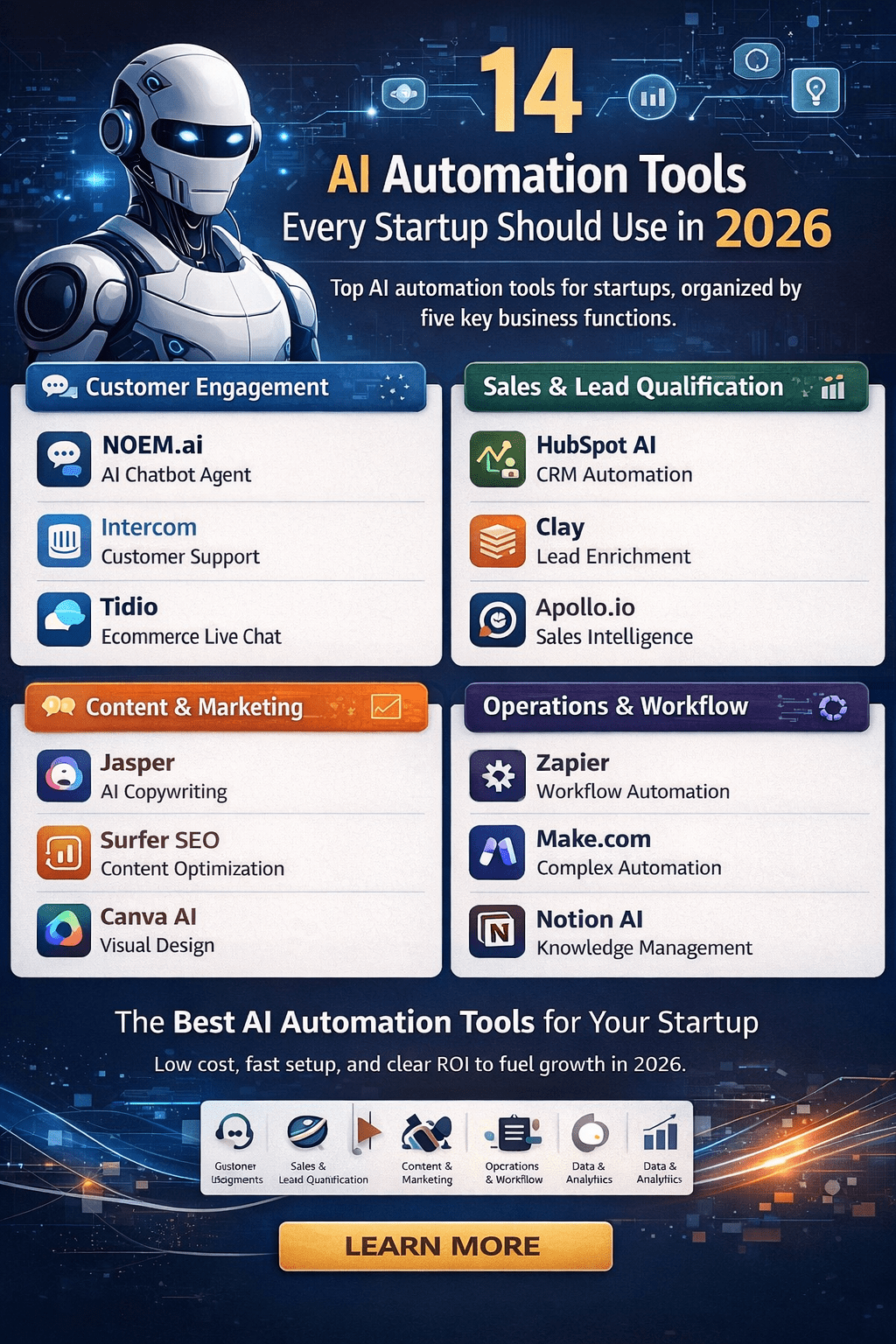
The 12 AI customer support trends defined for 2026 all lead to the same conclusion. Your customers now see speed, personalization, and seamless collaboration between humans and AI as the standard. If your current system falls short, you will feel it in your churn rates, not just your ticket volume. Noem.ai provides a single platform to launch sentiment-aware, multichannel support with live analytics and zero coding. Take a look at the leading AI-first support tools for 2026 to see how your current setup compares.
Frequently Asked Questions
What are the biggest AI customer support trends in 2026?
The most significant AI customer support trends for 2026 center on agentic AI that manages entire conversations independently. The hybrid AI-human model is now the industry standard, alongside sentiment-aware responses and proactive support that prevent tickets from being created in the first place. Additionally, voice AI has moved into frontline interactions at a massive scale.
How is AI changing customer service in 2026?
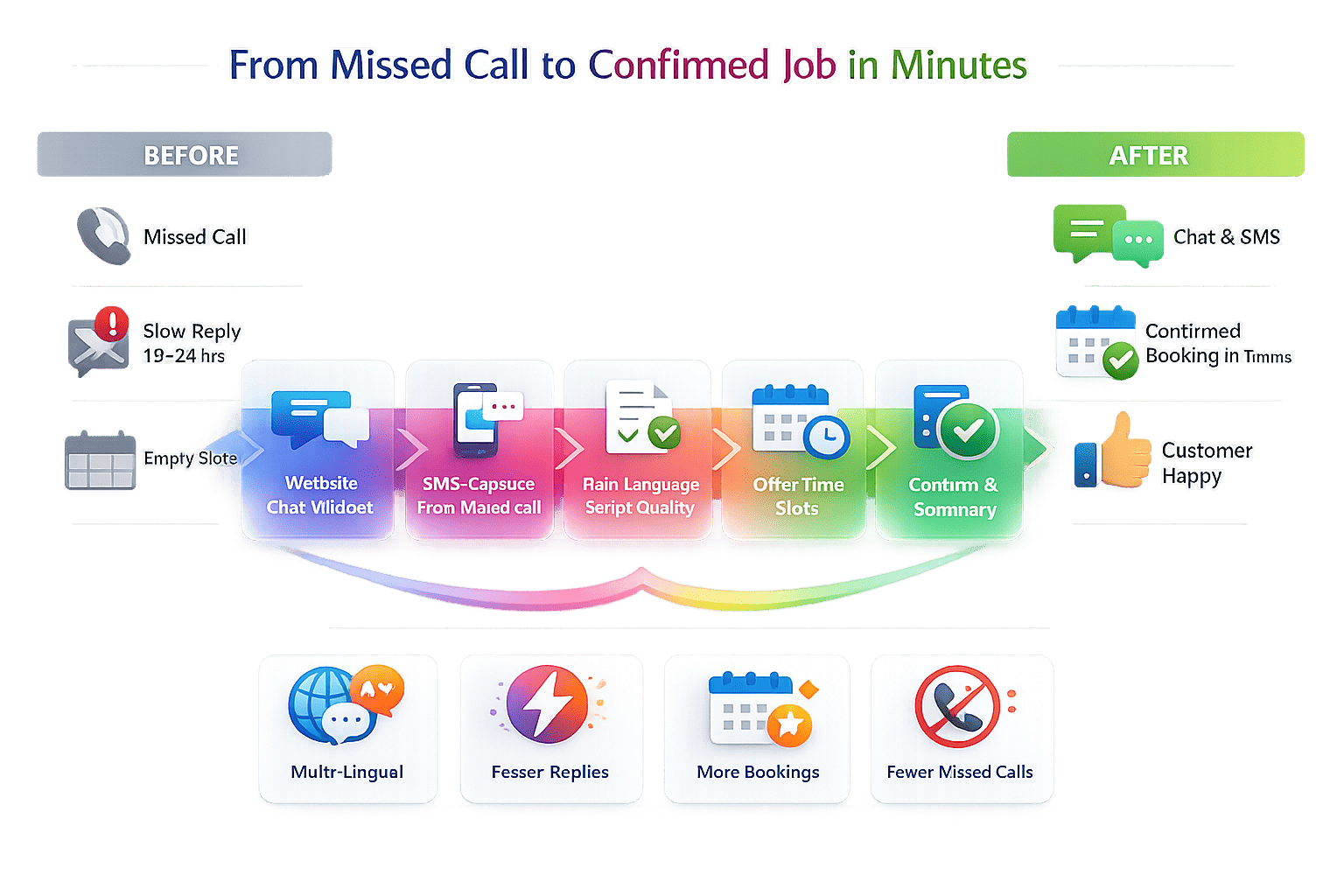
AI in customer service is really flipping the script on how your team handles volume, speed, and personal touch. Right now, AI agents close out anywhere from 55% to 70% of basic tier-1 questions without a person stepping in. Response times drop from hours to under 2 minutes. Predictive tools flag problems before a customer even thinks about complaining. According to Zendesk, companies are seeing their CSAT scores climb by 18% within just three months of setting up AI deflection.
Will AI replace human customer service agents?
No. Gartner research indicates that 95% of service leaders intend to keep their human teams even as they lean into AI customer support. The most successful strategy in 2026 pairs AI speed with human judgment. While AI handles high-volume, repetitive questions, humans remain essential for emotional, complex, or high-value conversations that require empathy and nuance.
What is the best way to use AI in customer support for a small business?
The best move is to clean up your knowledge base first, then set up a chatbot to take over your most frequent questions. Keep a close eye on your deflection rates, response times, and CSAT scores right from the jump. You can use platforms like Noem.ai to get multichannel AI customer support up and running without needing a developer, and the pricing usually scales as you grow. Start with after-hours coverage and FAQ handling to see the quickest results.
Why do so many AI customer service projects fail?
Gartner’s 2025 AI Implementation Survey found that 62% of underperforming AI in customer service projects fail because of poor data preparation, not technology limitations. An AI system can only perform as well as the information it has access to. Before deploying any AI support tool, audit and clean your knowledge base, then set clear escalation rules for queries that the AI should not attempt to resolve alone.