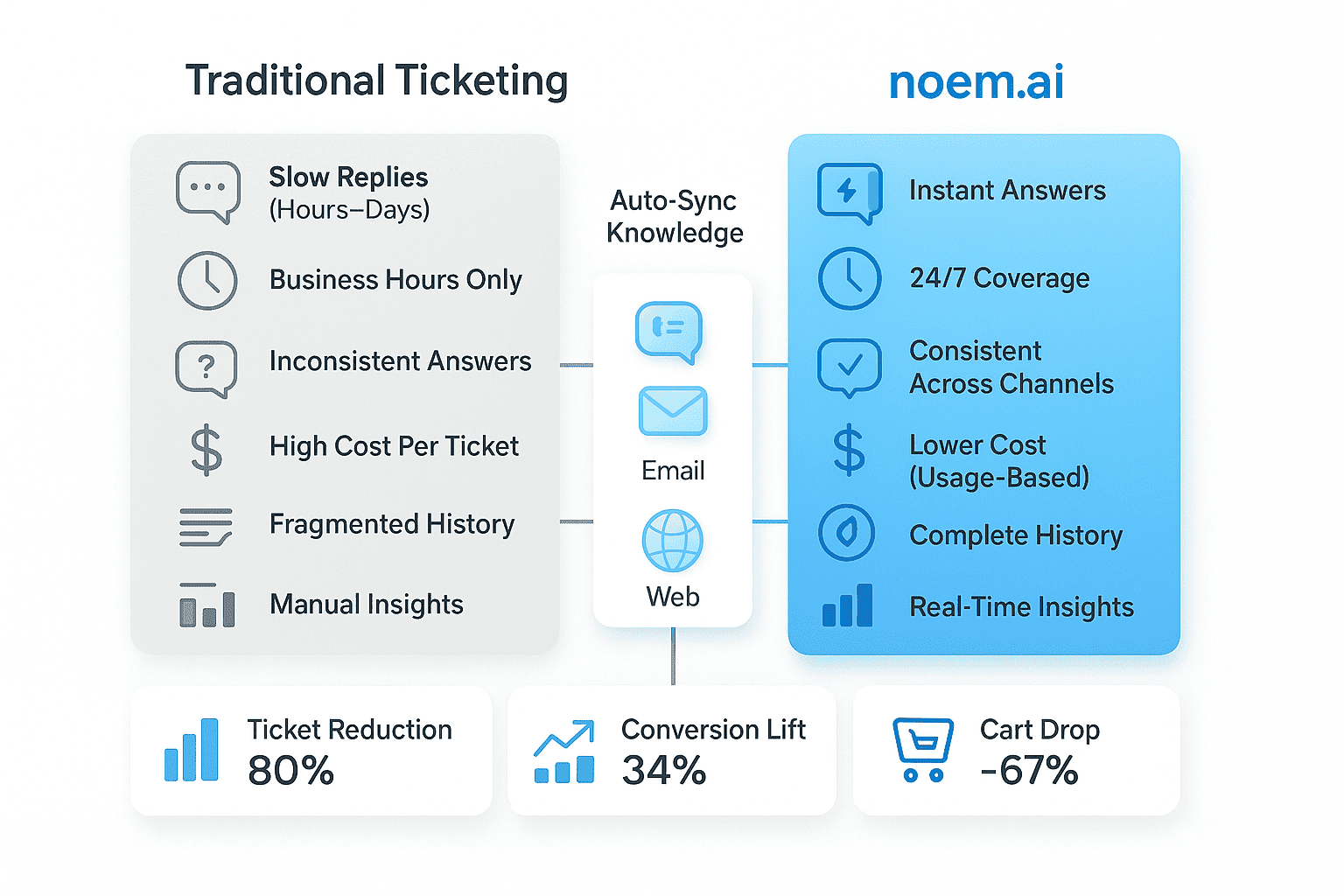
Traditional ticketing systems were built for a slower world. They sort messages and create tickets, then wait for agents to respond during business hours. That means customers can wait hours or even days for a reply, especially when queues stack up on weekends and holidays (ref: Salesgroup.ai; ref: Kommunicate). These systems also push teams to hire more people any time volume grows, which raises costs and slows down progress (ref: Front). On top of that, each channel can feel different, so customers might get one answer in email and a different answer in chat, which hurts trust and slows resolution (ref: noem.ai). When leaders add up the wait times, staffing plans, training needs, and inconsistent answers, it becomes clear that the old tools are not enough for today’s pace.
These gaps do more than frustrate customers. They also limit growth and drain your team’s energy. When tickets pile up, managers have to jump in, re-route, and chase status—time that should go into improving service. With manual processes, insights come late and are often incomplete, because data sits in different places and takes too long to review (ref: Ravenna.ai). Leaders need faster answers and clear patterns that show where to fix the experience. They also need a way to deliver consistent, helpful replies across chat, email, and the website at any hour, anywhere, and in any language.
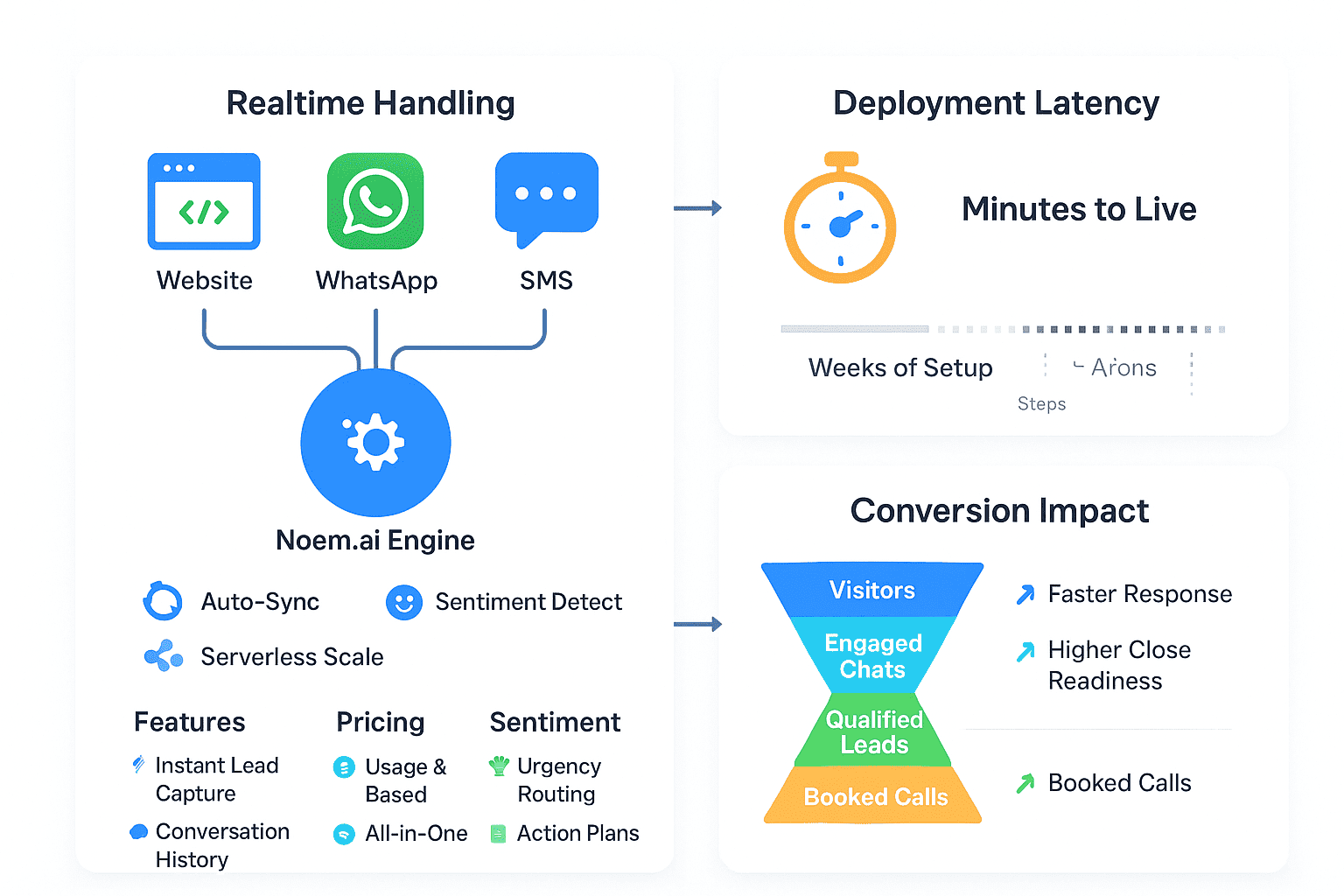
This is exactly where noem.ai steps in. Instead of another point tool, it gives you a full stack for chatbots that covers building, hosting, knowledge sync, multichannel publishing, and analytics, all in one place (ref: noem.ai). Because the system auto-syncs with your content, answers stay fresh without extra manual work (ref: noem.ai). And since the pricing is usage-based, leaders can scale support without worrying about per-seat limits, which keeps budgets under control during growth (ref: noem.ai). The result is a faster, cleaner, and more reliable experience for customers and teams.
- Bold gap: Slow replies that cause churn. Long waits are common in traditional ticketing, especially after hours and during seasonal spikes, which makes customers feel ignored and drives them to competitors (ref: Kommunicate). With a modern AI layer, you can give instant answers to common questions and route the tricky ones to people quickly, so customers get help right away (ref: Salesgroup.ai). Faster support means more trust and fewer repeat contacts. That lowers pressure on your team and speeds up every part of the service journey.
- Bold gap: Inconsistent answers across channels. Different agents and different tools often give different replies, which confuses customers and hurts brand voice (ref: noem.ai). A single knowledge brain that auto-syncs keeps every answer aligned in chat, email, and on your site, so customers hear one clear voice every time (ref: noem.ai). This reduces back-and-forth and keeps your policies accurate across the board. It also makes training new staff simpler because the system is already in tune with your content.
- Bold gap: Fragmented data and late insights. Traditional workflows often store history in different tools, so leaders cannot see the full journey or measure the health of the funnel (ref: Front). With real-time analytics, you can track sentiment, find drop-off points, and see which topics keep coming up, all in one place (ref: Ravenna.ai). This gives managers a faster way to fix friction and improve the experience. Better visibility leads to smarter training, smarter routing, and better results.
What Makes noem.ai Different: Consistency, Speed, and Global-Ready Answers
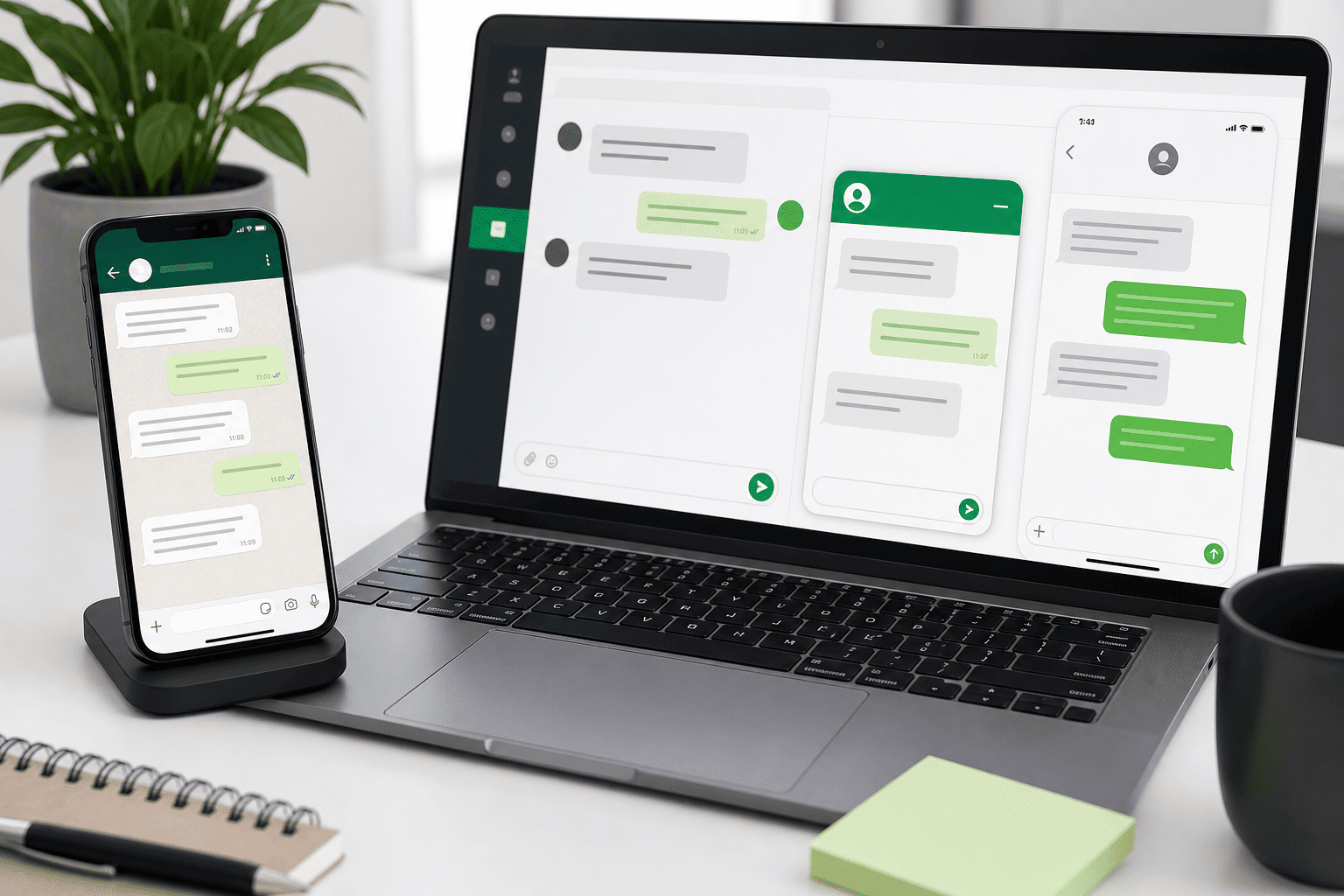
When your brand speaks, it should sound the same in every channel. noem.ai makes that easy by syncing to your docs, help center, and site content, then publishing across chat, email, and other surfaces without extra work (ref: noem.ai). This means your team writes once, and the system pushes the best version everywhere, which protects your brand voice. With traditional tools, agents often copy and paste or write from memory, which creates gaps and errors over time. But with a single source of truth, answers stay aligned and customers get the same helpful response wherever they ask.
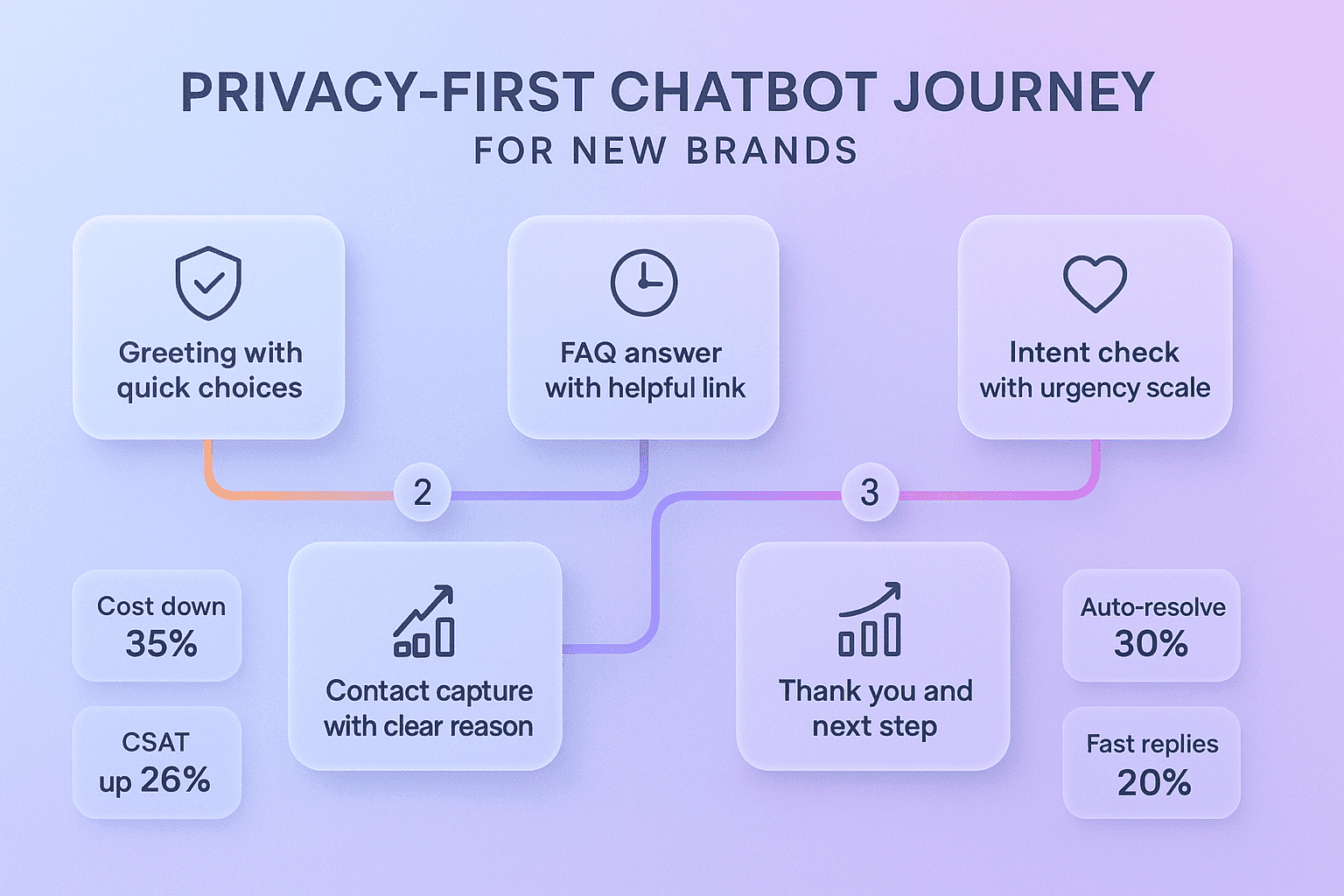
Speed is just as important. Customers expect instant support, but traditional ticketing works best during set hours and with bigger teams. AI support can answer most common questions right away, any time of day, and then hand off complex issues to people when needed (ref: Salesgroup.ai). This approach helps your agents focus on higher-value tasks while the system handles the busy work. It also keeps queues from growing overnight or on weekends so your Monday mornings stay calm and on track (ref: Kommunicate).
Global growth is normal now, and language should not slow you down. With noem.ai, businesses can serve customers in many languages without adding new seats or waiting for regional coverage (ref: noem.ai). This helps teams expand to new markets without large overhead. It also means that all customers feel seen and supported—no matter where they live. When paired with consistent answers and 24/7 availability, language support becomes a real growth lever.
The way noem.ai brings these benefits together is key. You get builder tools, hosting, knowledge sync, multichannel publishing, and analytics in one stack, which reduces setup time and removes glue work (ref: noem.ai). Because the parts are built to work together, you do not have to stitch together and maintain several different vendors. The result is a shorter path from idea to go-live, often measured in minutes, not weeks (ref: noem.ai). That speed is powerful when you need to launch fast, test quickly, and scale with confidence.
- Consistent answers across channels: the trust multiplier. Customers do not want to hear a different answer from email and chat; they want one clear, helpful reply (ref: noem.ai). A single, auto-synced knowledge source makes this possible and keeps every channel accurate day after day (ref: noem.ai). This reduces risk from outdated macros and ad‑hoc notes. It also gives your brand one strong voice that customers can trust.
- 24/7 customer support: always on, always ready. Round-the-clock coverage means customers never wait for office hours, which stops backlogs and protects customer happiness (ref: Salesgroup.ai). Overnight and weekend spikes no longer create panic on Monday mornings, because the system answers right away (ref: Kommunicate). Agents still handle the edge cases and complex needs, but the AI covers the common questions and keeps the line moving. That balance keeps costs steady while raising quality.
- Multi-lingual support: grow without borders. Serving in many languages builds trust and helps you win in new markets (ref: noem.ai). You can scale language coverage without re-staffing or spinning up new regional teams. This is big for lean groups that need to prove results before making big hires. It also makes your service fair and inclusive for every customer.
Lower Support Costs, Cleaner Handoffs, and a Complete History You Can Trust
Support leaders care about outcomes, and cost per ticket is a clear one. Traditional models get expensive, because each extra queue often needs another agent or shift, plus training and software seats (ref: Front). With automation, you can route repeat questions to AI and let people focus where they are needed most, which reduces total cost over time (ref: Salesgroup.ai). When paired with usage-based pricing, this can lower your risk in growth phases because you only pay for what you use (ref: noem.ai). Reports show companies can cut up to 80% of tickets while dropping ticket costs from $22 to near‑zero for automated cases, which is a major win for both finance and operations (ref: noem.ai; ref: noem.ai + Intercom).
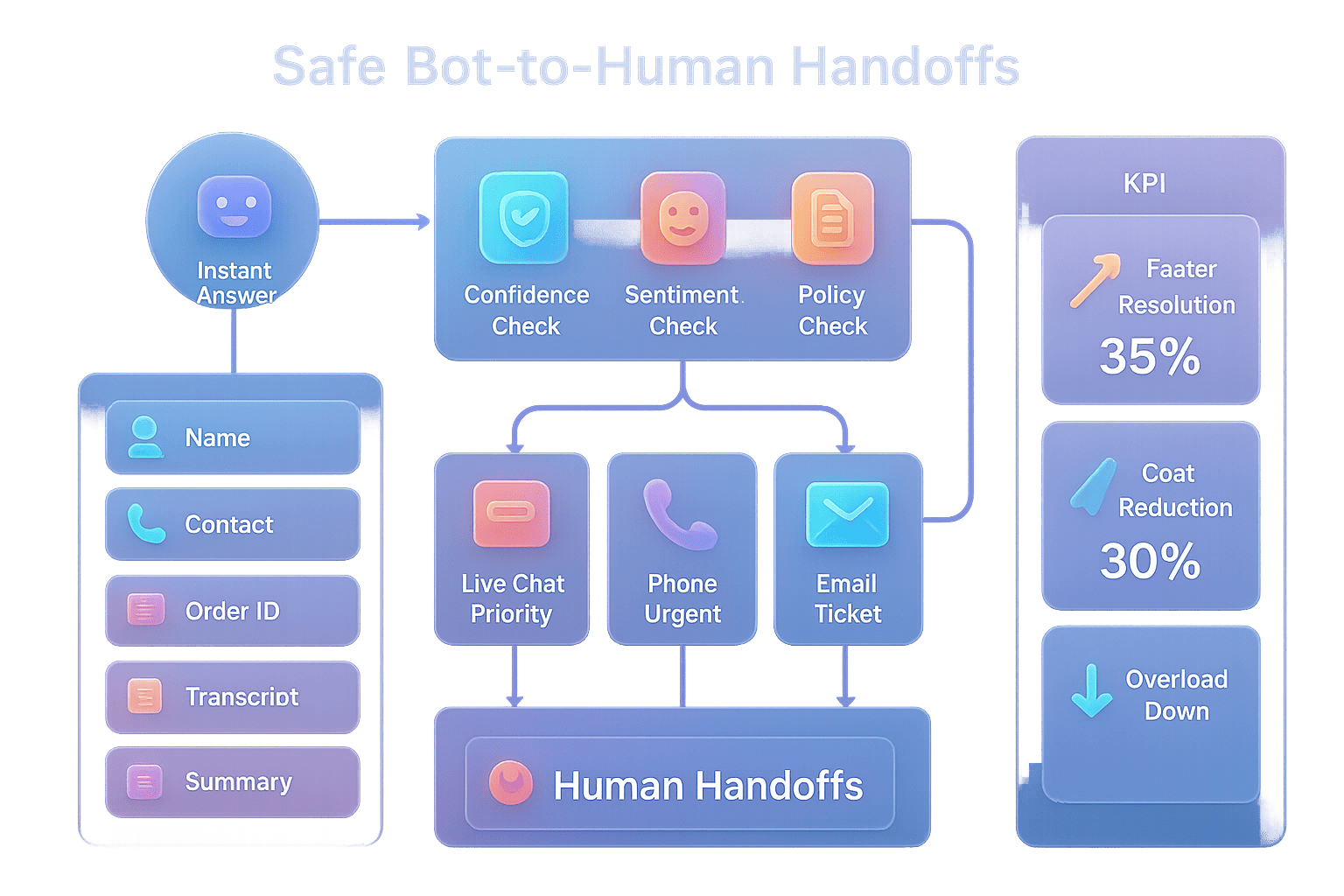
Cost savings are only part of the story. A clean, complete conversation history makes every handoff smoother and every follow-up faster. In traditional systems, data can sit in separate tools, which means agents waste time re-reading long threads and asking customers to repeat details (ref: Front). With a clear, unified timeline, the next person can step in and help right away, with full context and no extra steps (ref: noem.ai). This reduces repeat contacts and shortens time to resolution, which builds customer trust and frees your team to do deeper work.
Handoffs should feel smooth to the customer and simple to the agent. When AI and people can see the same history and context, escalations move faster and with fewer mistakes. That means the customer does not have to restate the issue, which protects their time and keeps them calm. It also means your team can give better answers the first time, which lowers reopen rates and write-backs. Over weeks and months, this adds up to real savings and a happier team.
Another major advantage is the ability to blend AI with your existing tools rather than ripping anything out. Many teams want to keep their ticketing system for workflows but add AI to answer more questions up front. With noem.ai, you can add this layer as an add-on and launch fast, so you see a return quickly without a large change project (ref: noem.ai). This keeps your people in familiar tools while unlocking automation in the front line. It is a safe way to modernize support without slowing the business.
- Reduced support costs without risky trade-offs. By offloading repeat questions to AI, leaders cut volume and protect agent time, which reduces total cost (ref: Salesgroup.ai). Usage-based pricing helps budgets scale cleanly, without per-seat surprises when teams grow (ref: noem.ai). Many see up to 80% fewer tickets and near‑zero cost for automated answers, which can create room for new growth projects (ref: noem.ai). This mix of automation and people keeps quality high while managing spend.
- Complete conversation history and better handoffs. A unified record means customers never have to repeat themselves, and agents can jump in with context on the first reply (ref: Front). Clear timelines reduce errors, shorten handle time, and improve the customer’s experience. This history also helps managers coach with real examples and spot process issues faster. Over time, this makes service more consistent and more effective.
- Seamless add-on, not a rip-and-replace. Many teams want quick wins without replacing their whole stack, and an AI add-on makes that possible (ref: noem.ai). You can keep your existing ticketing workflows and add smarter, faster answers in front. That lowers risk and speeds time to value, because the rollout is simple. It also helps you prove ROI before expanding to more use cases.
From Answers to Insights: Turn Support Into a Growth Engine
Better service is not only about speed. It is also about learning from every question and using those insights to improve the business. With real-time analytics and sentiment tracking, leaders can spot patterns in customer issues, see which pages need clearer copy, and know where the product could be easier (ref: Ravenna.ai). When teams use these insights to fix the root causes, the ticket volume drops and customer happiness rises. Over time, this feedback loop can turn support from a cost center into a real growth driver (ref: noem.ai).
This impact shows up in clear metrics. When paired with tools like Intercom, teams have seen a 34% lift in conversions and a 67% drop in cart abandonment after adding AI assistance to the journey (ref: noem.ai + Intercom). These results happen because customers get the help they need at the right moment, without waiting or switching channels. The same AI that powers support can guide buyers with policy answers, shipping details, and return rules, which removes friction and builds confidence to buy. The key is to make support an active part of the customer path.
To create this loop, leaders need good data and a simple way to act on it. noem.ai brings insights together in one dashboard, with real-time views of intent, top questions, and escalation trends (ref: noem.ai). Managers can see which policies cause confusion, which responses need updates, and where AI can safely handle more (ref: noem.ai). Because the system auto-syncs with your documents, you can fix a page or policy once and have better answers everywhere within minutes. That speed makes improvements stick and keeps quality high.
These insights also help you coach the team and design better routing. For example, if sentiment dips on shipping questions, you can update the FAQ, train agents on clearer language, and tune the bot to ask smarter follow-up questions. If a new product launch drives a spike in questions, you can publish quick guides and have the bot surface them first. When the numbers improve, you will know the fix worked—without waiting weeks for a manual report (ref: Ravenna.ai). This is how support becomes a faster, smarter part of growth.
- Actionable customer insights, not just dashboards. It is not enough to count tickets; you need to know why they happened and how to stop them (ref: Ravenna.ai). With intent, sentiment, and topic trends, leaders can fix root causes and see results in days, not quarters (ref: noem.ai). These insights guide better training, clearer content, and smarter product updates. They also show where AI can safely do more, which increases ROI over time.
- Lift conversions and lower abandonment with timely help. When customers get instant answers during checkout or sign-up, they feel safe to move forward (ref: noem.ai + Intercom). Teams have reported a 34% lift in conversions and a 67% drop in cart abandonment when AI guides them at key steps (ref: noem.ai + Intercom). This is because the bot removes doubts about shipping, returns, or pricing in the exact moment of need. That kind of help turns lost sales into wins.
- Prove ROI without big projects. Because the platform is an all-in-one stack with usage-based pricing, you can start small and grow at your pace (ref: noem.ai). You can add it to your current tools, launch in minutes, and show value right away, rather than waiting for a big migration (ref: noem.ai). That path reduces risk and builds trust with your team and your CFO. It also makes it easier to win budget for future growth.
Your Next Step: Give Customers the Support They Deserve—Every Time, Everywhere
Today’s customers want fast answers, clear help, and the same voice in every channel. Traditional ticketing systems struggle with wait times, staffing needs, and inconsistent answers, which hurts trust and slows growth (ref: Salesgroup.ai; ref: Kommunicate). A modern AI layer fixes these gaps by giving instant replies, syncing knowledge across channels, and working all day, every day. With usage-based pricing and a unified stack, leaders can launch fast, scale predictably, and keep costs low (ref: noem.ai). And with better insights, teams can improve journeys, coach smarter, and turn support into a growth engine (ref: Ravenna.ai).
If you are ready to give your customers clear, fast, and helpful answers in any channel and language, it is time to modernize your front line. With noem.ai, you can launch in minutes, keep answers accurate with auto-sync, and get the analytics you need to grow with confidence (ref: noem.ai). Your team will spend less time on repeat questions and more time on high-value work. Your customers will feel seen and supported. Want to see how fast you can go live and start saving? Book a quick demo and test your top use cases with noem.ai today.