Why This Comparison Matters Right Now
Picking the right chatbot today is a big choice for your business. You want more leads, faster replies, and clear insights. You also want a simple way to go live, and keep your bot current. This is where many teams weigh a social-first tool like ManyChat against an integrated stack like noem.ai. Both platforms help you talk with customers, but they do it in different ways, and those differences affect speed, cost, and sales outcomes over time.
ManyChat is well-known for social channel automation. It focuses on Instagram, Facebook Messenger, and WhatsApp, and it offers flows that help capture contacts and send follow-ups. Reviews and roundups point to simple builders, chat automations, and entry-level pricing on social channels. On the other side, noem.ai brings a full stack for chatbots in one place: builder, hosting, knowledge sync, multichannel publishing, and analytics. The platform focuses on speed and simplicity, with usage-based pricing and an auto‑sync engine to keep answers current on your site and other channels at once. If you want a quick launch and one dashboard for the whole journey, this matters.
As you read, think about these goals: instant website lead capture, complete conversation history, faster response times, and higher close rates with better‑qualified leads. These are the outcomes most owners care about. We will cover features, pricing, time to deploy, and sentiment analysis. We will also share where each tool is strong, using publicly available reviews and explainers, plus first-look demos that show typical usage in real life (ref: YouTube; YouTube; Helply). If you want a full-stack option that ties it all together, keep an eye on noem.ai as we go.
Features That Drive Leads, Speed, and Sales Follow‑Up
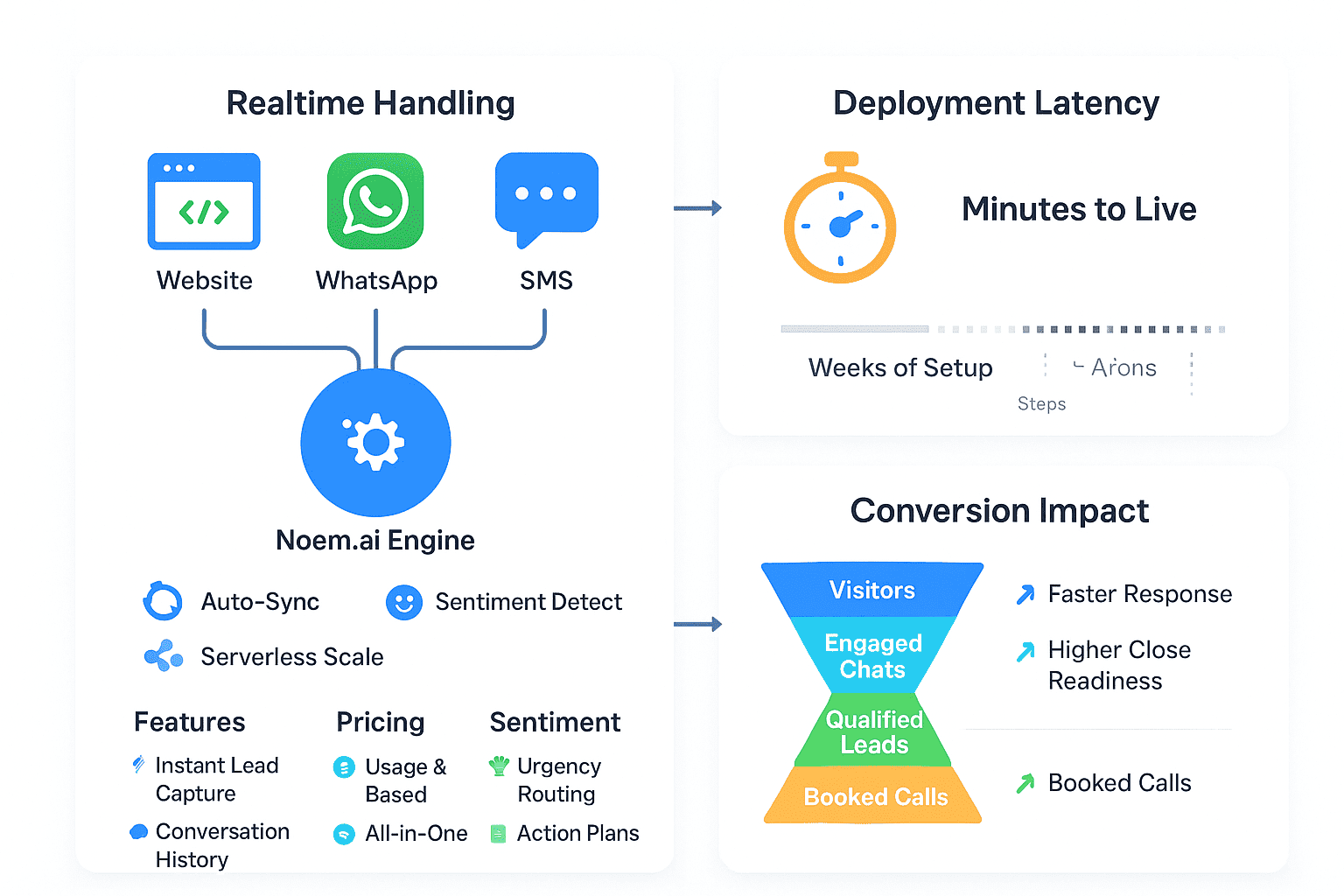
- Instant Website Lead Capture: For many businesses, the website is the front door. You want the chat to greet visitors, answer questions, and grab contact info fast. noem.ai is built to add a web widget or hosted page in minutes, then sync knowledge from your files and URLs so the bot feels ready from the start, this makes lead capture feel natural for site visitors and sales teams alike. ManyChat shines on social channels first, but it can also collect user data via flows and forms inside DMs, which helps you grow your list in those channels. When your main priority is on‑site conversion, the ability to deploy a site widget quickly and keep it synced matters, and that is where noem.ai focuses.
- Complete Conversation History: Sales follow-up needs context. Full chat history helps your team see what was asked, what was answered, and what was missed. In noem.ai, complete conversation history across channels rolls into one place, so you can coach the bot and coach your reps in the same view. ManyChat provides conversation history inside its flows and inbox tools for social channels, which is helpful for DM-based selling and outreach on Messenger, Instagram, and WhatsApp (ref: Linktly). If your deals live in your website funnel and beyond, having a cross-channel log in one dashboard is a clear advantage.
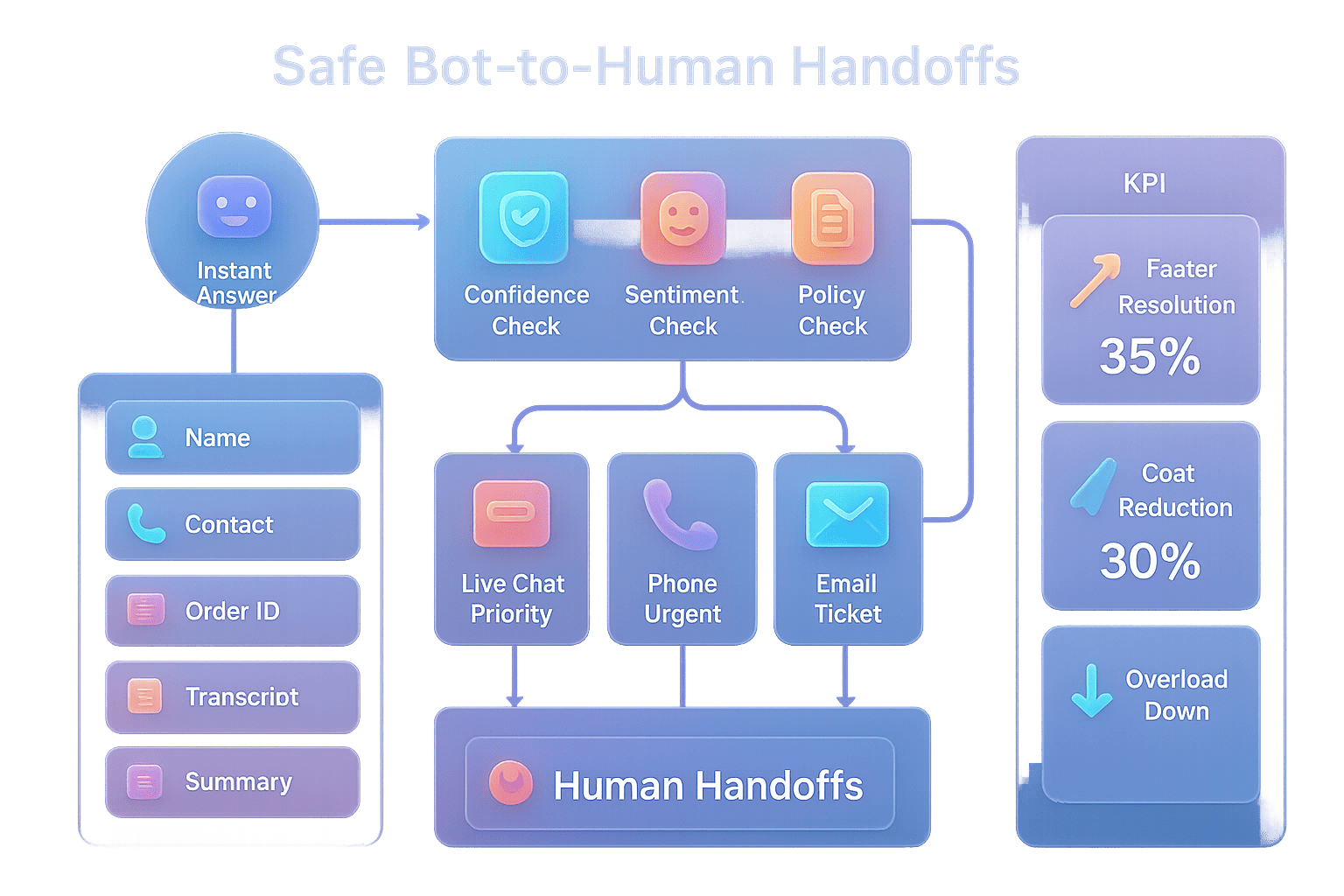
- Sentiment Analysis for Smarter Handoffs: When a chat turns urgent or negative, your team should know. Sentiment analysis flags these moments, so you can step in and help in time. noem.ai includes real‑time analytics, missed‑question alerts, and sentiment signals that guide handoffs to humans and improve training over time. With ManyChat, social DMs can be triaged using tags, conditions, and smart flows that imitate urgency paths; some stacks add AI layers to route conversations more intelligently (ref: Jotform; Helply). If your team values fast human takeover across web and multiple channels, integrated sentiment features in one dashboard make that simple.
- Higher Close Rates with Better‑Qualified Leads: The goal is not only more leads, but better leads. A chatbot that asks the right questions can pre‑qualify prospects before they talk to sales. noem.ai lets you design clear flows and also answer knowledge questions, so you can set rules for routing, scoring, and follow‑up in one place, then retrain with one click when you find gaps. ManyChat’s visual builder supports multi-step flows on social channels, with conditions and audience tags that help segment and nurture contacts over time. When your sales team depends on rich profiles from web and social, combining on‑site Q&A with lead forms can lift close rates.
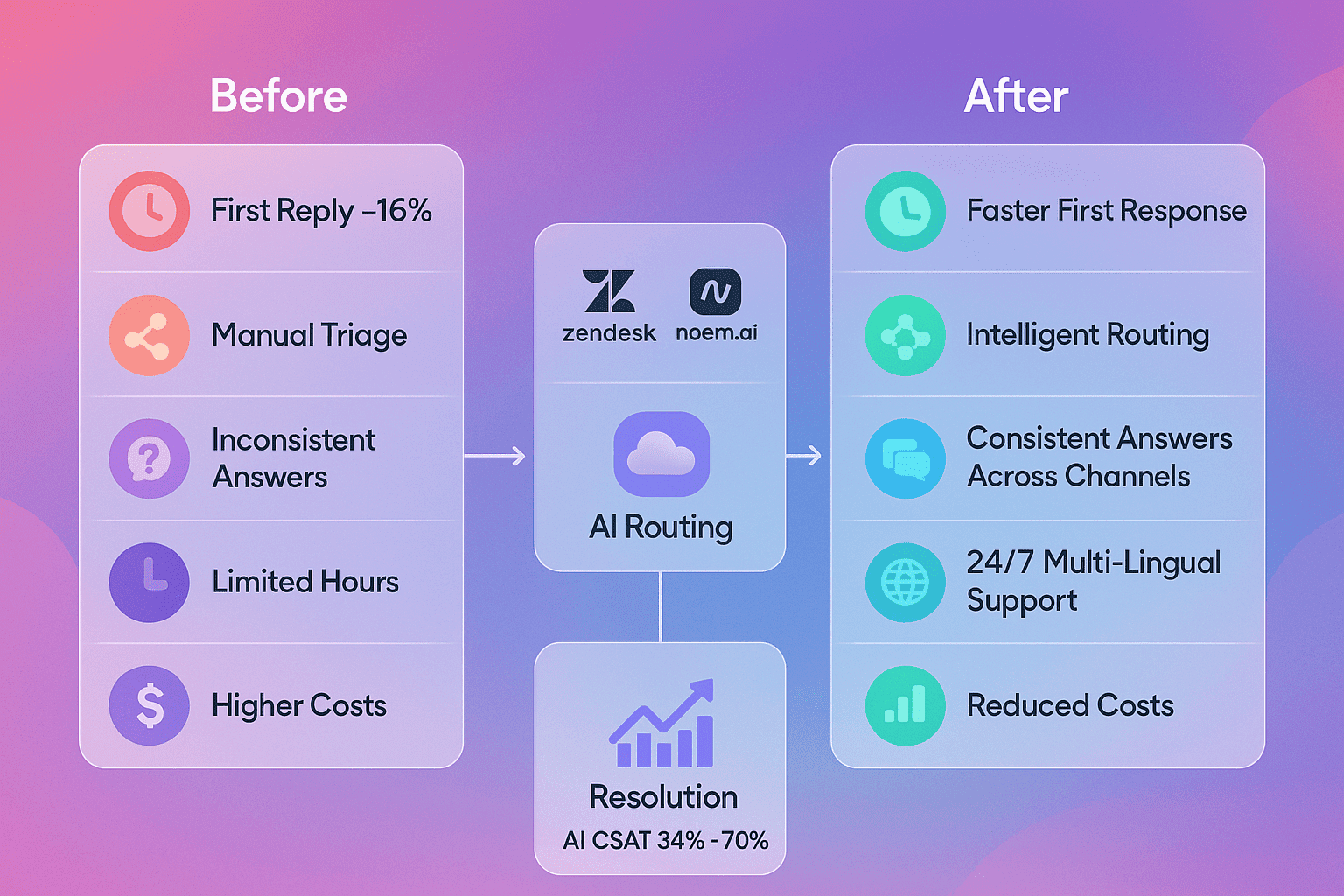
- Faster Response Times for Prospects: Speed wins deals. A bot that answers fast and hands off when needed keeps buyers engaged. With auto‑sync of your latest content, noem.ai cuts the time it takes to update answers, which improves response accuracy on your site and other channels. ManyChat’s automations can send instant replies in DMs and comments, which is powerful for social engagement and rapid lead intake. Faster replies mean less drop‑off and more booked calls.
- Multichannel Publishing from One Dashboard: Managing one bot across web, WhatsApp, SMS, Facebook Messenger, and a hosted page saves time. It also keeps content aligned. noem.ai publishes one bot to these channels from a single dashboard, which helps smaller teams move fast. ManyChat is strong on Instagram, Facebook Messenger, and WhatsApp, and also supports SMS and email in many setups, making it effective for social growth and nurture. If your priority starts on the website and then expands to other channels, having one stack for build, host, sync, and analytics pays off.
noem.ai vs ManyChat: Features, Side by Side
- Website-First vs Social-First: If your main conversion happens on your site, having a website widget, hosted page, and knowledge sync in one place helps you go live fast with the right answers. noem.ai focuses on this path, then extends to channels like WhatsApp, SMS, and Messenger from the same dashboard. ManyChat focuses on social automation, especially Instagram, Messenger, and WhatsApp, with visual flows and audience tools that work well inside those networks. Think about where your best leads start.
- Knowledge Sync and Retraining: Content changes daily. Auto‑sync means your bot stays current without long rebuilds. noem.ai ingests files and URLs, and syncs again, so answers match your latest pages and docs; missed‑question alerts and one‑click retraining make it easy to improve. With ManyChat, you can update flows and prompts in the builder, and layer in AI blocks or integrations depending on your plan and stack (ref: Linktly). This difference changes how much time your team spends on upkeep each week.
- Analytics and Conversation History: Seeing what questions are asked most, and where people drop, helps you fix gaps. noem.ai keeps real‑time analytics, conversation history, and alerts together, so you can move from insight to update quickly. ManyChat includes visual flow stats and conversion points for social actions, which is useful for DM campaigns, comments triggers, and contact growth. If your team needs one place to track the whole buyer chat journey, not just social, this matters.
- Lead Capture and Qualification: Better questions bring better leads. noem.ai blends free‑form answers with structured prompts to capture contact info, needs, and timelines right on your site, then routes to email, Slack, or your CRM via webhooks and APIs. ManyChat’s flows can collect data inside DMs, tag contacts, and trigger follow‑ups that fit social journeys (ref: Tidio; Chatimize). Choose the approach that matches how your buyers like to talk.
Pricing: Finding Predictable Value as You Grow
- Usage‑Based Predictability vs Contact‑Driven Tiers: noem.ai uses usage‑based pricing designed for simple scaling, so small teams can start fast and grow with steady costs tied to use, not long set‑up cycles. This helps owners match spend to value month by month without overcommitting. ManyChat is known for a free tier and paid plans that expand features and capacity for social automation; reviews note that costs often relate to contact counts and channel needs, which can fit social growth goals well (ref: Linktly; Chatimize). Review your channel mix, usage patterns, and growth targets to plan your budget wisely.
- All‑in‑One Stack vs Piecemeal Add‑Ons: With noem.ai, the builder, hosting, knowledge sync, multichannel publishing, and analytics live together, which can lower total cost of ownership and reduce tool sprawl for small teams. You spend less time wiring tools and more time shipping useful updates. ManyChat can connect to other services, apps, and ad workflows to power social funnels, and that mix can create strong campaigns when social is your primary channel (ref: Tidio; Helply). Add up the time and apps you would need either way.
- Trial, Start, and Scale: If you want to test a site bot in a day and refine it each week, a usage-based plan with quick onboarding helps. If you want to grow a social list with auto-replies and DM flows, a free tier and step-up plans make sense. ManyChat’s entry level is commonly praised for getting started on social fast, while noem.ai aims to make a multi‑channel bot as simple as a few clicks from one dashboard (ref: OscarChat; Linktly). Kick off where your best leads are most ready.
Time to Deploy: Minutes vs Hours (Your Mileage May Vary)
- From “I Need a Bot” to “It’s Live”: Many owners just want to go live fast. With noem.ai, you can build in a no-code editor, sync your content, and publish the same bot to a site widget, WhatsApp, SMS, Facebook Messenger, or a hosted page. The focus is to make launch steps short, so teams can ship in minutes and then improve answers as they learn from real chats. ManyChat’s visual builder also speeds setup on social channels, but building flows for multiple use cases and meeting channel policies can add steps, which some roundups note when discussing learning curves and alternatives (ref: Tidio; Chatimize). Think about where you need to be live first.
- Continuous Updates Without Rebuilds: When your content changes, your bot should keep up. noem.ai offers continuous auto‑sync, so when you change a doc or page, answers update across channels without heavy rebuilds. This cuts the time to maintain accuracy, which supports faster response times. In ManyChat, you update flows and assets as needed, which works well for social promotions and DM paths that change often (ref: Linktly). Decide whether your updates are content‑heavy or promotion‑heavy.
- Team Workflows and Handoffs: Speed is not just launch day, it is every day. noem.ai combines analytics, missed‑question alerts, and one‑click retraining in one dashboard, so updates are quick from insight to action. ManyChat highlights visual flows and triggers that help you run campaigns and auto‑replies on social, which can be fast to tweak during promotions (ref: OscarChat). Faster daily updates lead to faster learning and better buyer experiences.
Sentiment Analysis: Catch Problems Early, Save Deals Fast
- Why Sentiment Matters: When a customer sounds frustrated, confused, or ready to buy, your team should know right away. Sentiment analysis helps you spot those moments. It can flag negative tones to hand off to a person, and it can mark happy tones to encourage booking or checkout. Over time, this reduces wait times and improves close rates. Tools that bring sentiment into one dashboard make it easier for small teams to act quickly.
- How noem.ai Uses Sentiment: In noem.ai, sentiment signals appear along with analytics and conversation history. This means you can see what went wrong, fix content with one‑click retraining, and route future chats better. The goal is to keep answers current and handoffs smooth, while improving over time with data you can trust. This helps protect deals and boost customer satisfaction, which supports higher close rates with better‑qualified leads.
- How ManyChat Approaches Context on Social: ManyChat’s flow tools let you add conditions, tags, and routing logic, so you can imitate urgency pathways and push a human takeover when needed. Some users add AI blocks or external tools to score messages and route by intent, which is common in marketing stacks focused on Instagram, Messenger, or WhatsApp (ref: Helply; Jotform). This is effective when most of your conversations begin in social DMs and comments, where speed and tagging matter most.
noem.ai vs ManyChat: Feature Comparison (Bullet Format)
- Website Lead Capture and Web Widget: If your site is where buyers start, noem.ai’s web widget and hosted page make it easy to capture leads, answer questions, and store full conversation history in one place. Auto‑sync keeps the bot’s answers up to date, so forms and Q&A work together to qualify leads. ManyChat focuses on social capture and DM engagement, which can bring warm leads from Instagram or Messenger into your pipeline (ref: Tidio). Choose the starting channel that matches your traffic.
- Multichannel Publishing and Reach: noem.ai publishes the same bot to web, WhatsApp, SMS, Facebook Messenger, and a hosted page from one dashboard, making it simple to keep content aligned. ManyChat is direct and strong on social, especially Instagram and Messenger, and commonly includes WhatsApp and SMS paths for campaigns (ref: Chatimize). If your brand is social‑led, that path is great; if your brand is web‑led, a website‑first stack can save time.
- Analytics and Missed‑Question Alerts: noem.ai pulls analytics, missed questions, and training tools together, which shortens the loop from “we saw a problem” to “we fixed it.” Over time this supports faster response times and better outcomes. ManyChat provides campaign and flow stats that marketers use to optimize DM funnels and comment triggers (ref: Linktly). Both help you learn; the difference is where your learning happens most, web or social.
- Developer Options and Growth Paths: noem.ai includes optional APIs, webhooks, and concierge onboarding to support advanced needs when you’re ready. This helps small teams start no‑code, then scale features without changing tools. ManyChat also connects to lots of tools and ad workflows, which helps social-first teams build real campaigns (ref: OscarChat; Helply). Both have growth paths; pick the one that fits your starting point.
noem.ai vs ManyChat: Pricing (Bullet Format)
- Entry and Growth: ManyChat is often highlighted for a free starting tier, with paid plans unlocking more capacity and features; pricing commonly scales with contacts and usage on social channels (ref: Linktly; Chatimize). This fits brands focused on social engagement and DM automation. noem.ai uses usage‑based pricing aimed at predictability for small teams, tying spend to actual use across channels rather than a big set‑up (learn about alternatives listings here: Capterra). Both models can work; match pricing to how and where you chat most.
- Tool Sprawl vs Single Stack: When you add up builder, hosting, knowledge sync, and analytics, an all‑in‑one stack like noem.ai can reduce extra subscriptions and hidden setup time. That can make total cost easier to predict. ManyChat’s costs are clear for social automation, and you can add apps as needed to complete your stack for campaigns and ads (ref: Tidio). Think in terms of total monthly and quarterly cost, not just the first month.
- Scaling by Channel Mix: If most conversations start on your website and later move to WhatsApp or SMS, a usage‑based model across channels can feel fair. If most conversations start in Instagram DMs or Messenger, a plan that scales with contacts may match your growth. Roundups suggest both approaches are common; your best choice depends on channel mix and volume (ref: Helply; GPTBots). Plan ahead for peak seasons so you do not get surprised.
noem.ai vs ManyChat: Time to Deploy (Bullet Format)
- Speed to First Live Bot: When speed matters, fewer steps matter. noem.ai focuses on an integrated flow, build, sync knowledge, publish, so small teams can often go live in minutes on a website or hosted page, and extend to messaging channels without a new setup. ManyChat makes it simple to launch flows on social, but setting up multi‑path journeys and meeting each network’s rules can add time for some teams, as noted in several alternative roundups (ref: Tidio; Chatimize). Your mileage may vary based on your templates and compliance needs.
- Content Updates and Retraining: With auto‑sync and one‑click retraining, noem.ai reduces the time it takes to keep answers fresh across channels. That cuts weekly maintenance and keeps responses fast and accurate. ManyChat’s visual updates are quick for campaign tweaks, DM journeys, and seasonal promos, which is great for social-first brands (ref: OscarChat). Decide whether your updates are mostly content or mostly campaigns.
- Onboarding and Support: Smaller teams benefit from guided starts. noem.ai offers concierge onboarding options along with no‑code simplicity and APIs when you need more. ManyChat has a large community and plenty of tutorials and demos, including YouTube explainers that show common social use cases (ref: YouTube; YouTube). Both can help you get moving; choose the path that matches your team’s skills.
noem.ai vs ManyChat: Sentiment Analysis (Bullet Format)
- Built‑In Signals for Faster Help: In noem.ai, sentiment signals and missed‑question alerts surface the moments when a person should step in. This keeps customers from waiting and protects deals that need a human touch. You can also use conversation history to see what led to the handoff and fix the path next time. Over weeks, this improves both speed and quality.
- Social Context and Routing: ManyChat users often combine tags, conditions, and external logic to route messages by urgency in DMs. This can look like sentiment‑aware behavior even when it is driven by flow logic or third‑party tools, which many marketers use for social inboxes (ref: Helply; Jotform). If your biggest volume is on Instagram and Messenger, this approach is flexible and proven.
- One Dashboard for Full Context: When you serve web visitors and messaging channels together, one dashboard for sentiment, analytics, and history saves clicks and time. noem.ai keeps these signals side by side, so you can act quickly and coach both the bot and your team. ManyChat’s strength is social growth and DM journeys, which suits brands that live inside those networks (ref: Tidio). Go with the setup that matches where your most important chats happen daily.
Putting It All Together for Business Owners
- If your website is your primary sales engine: Pick the stack that makes instant website lead capture easy, keeps complete conversation history, and lets you retrain fast. noem.ai is built for this path, with a single dashboard for builder, hosting, knowledge sync, multichannel publishing, and analytics. This saves setup time and reduces weekly upkeep, which drives faster response times. Your team can focus on qualifying leads and booking meetings instead of juggling tools. The result is steadier growth and fewer missed chances.
- If your brand lives on social and DMs: A social-first tool like ManyChat makes sense. It gives you flows for Instagram, Messenger, and WhatsApp and works well with campaigns, comments triggers, and rapid follow‑ups (ref: Linktly; Chatimize). You can reach people where they already are and move them down a path to conversion. Just plan for how you will sync those conversations with your website and CRM. The more you unify data, the easier it is to close deals.
- What to test this week: Wherever you start, run a simple side‑by‑side test. Launch a basic FAQ and lead capture flow during your highest traffic hours. Measure number of leads, response speed, sentiment‑flagged chats, and the percent of chats that book a call. Then make one change, retrain, and measure again. Small tweaks every week compound into real wins.
- Why owners care about stack simplicity: Tools are supposed to save time, not create more work. An integrated stack means less switching, smoother updates, and clearer analytics. That is why many owners look for one place to build, host, sync, publish, and analyze. If that sounds right for your team, explore how noem.ai can help you go live fast and grow without friction.
Ready to capture more qualified leads, respond faster, and see the full story of every conversation? Take a closer look at your channels and decide where to launch first, then try noem.ai and see how simple a single, integrated chatbot stack can be for your business.