Choosing an enterprise chatbot is not just about answering questions on your site. It is about capturing more leads, protecting your brand, and speeding up real work across teams. To avoid hidden costs and delays, you need a simple checklist that covers your stack from end to end. Below are the must-have items leaders use to compare platforms fairly. Each point maps to outcomes you care about—speed, savings, and better customer experiences.
- CRM + Data Sync Readiness: Your bot should connect to your CRM and help desk without custom scripts. This keeps your data clean and your team ready to follow up fast. Look for native or supported integrations with tools like Zendesk and Shopify to keep systems aligned (ref: Noem.ai Blog; Software Finder). When customer info updates, the bot should reflect changes across channels automatically. This prevents lost leads and missed revenue because of data silos.
- SMS/Twilio + Multichannel Coverage: Your customers use web chat, email, WhatsApp, and SMS. Your chatbot should meet them where they are, and it should connect to SMS providers like Twilio via API or webhooks when needed, so you do not maintain separate stacks (ref: Software Finder). Verify WhatsApp, Slack, and website widget coverage at minimum, and confirm governance stays consistent across channels (ref: Noem.ai Blog). This reduces rework and lowers the chance of mixed messages.
- Analytics Depth + Sentiment Tracking: Basic dashboards are not enough for enterprise. You need real-time analytics, sentiment tracking, and conversation insights to show where customers get stuck and how to improve outcomes (ref: Noem.ai Blog). When analytics are integrated, teams can review trends and adjust scripts quickly to reduce friction and boost conversions (ref: YouTube). This drives better-qualified leads and raises win rates over time.
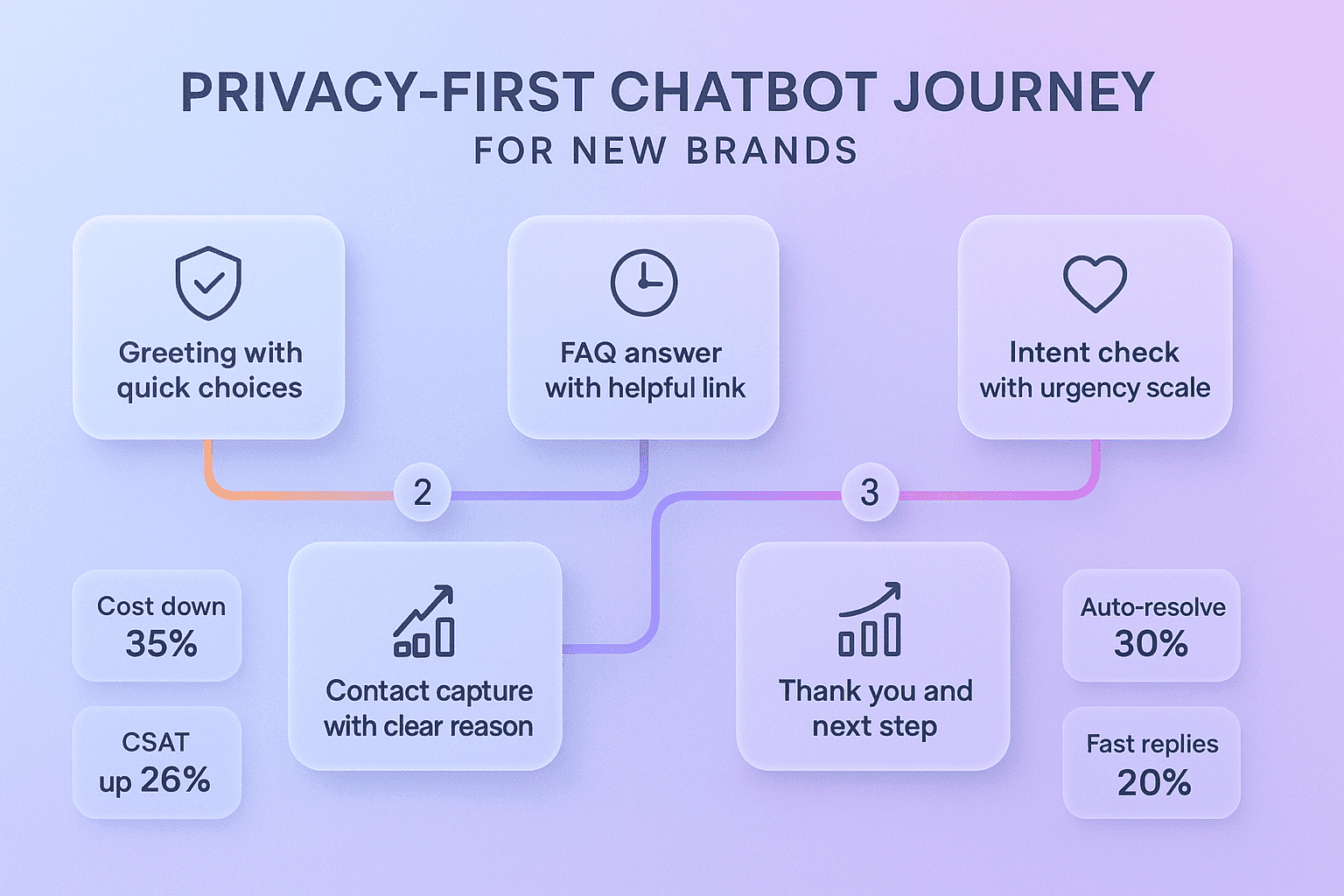
- Instant Website Lead Capture: Your bot should capture name, email, and context as soon as interest shows up, not after a long chat. The faster you collect details, the faster your team can follow up and close (ref: TechRSeries). Check that the form experience is smooth and supported on mobile and desktop. Also check that privacy controls honor your consent policies.
- Complete Conversation History: You should see every chat in one place, across all channels, with filters to review performance and quality. This helps you coach your team and find content gaps fast (ref: Noem.ai Help). Make sure history is searchable and exportable so you can share insights with sales and service leaders. Good history reduces repeat issues and prevents handoff confusion.
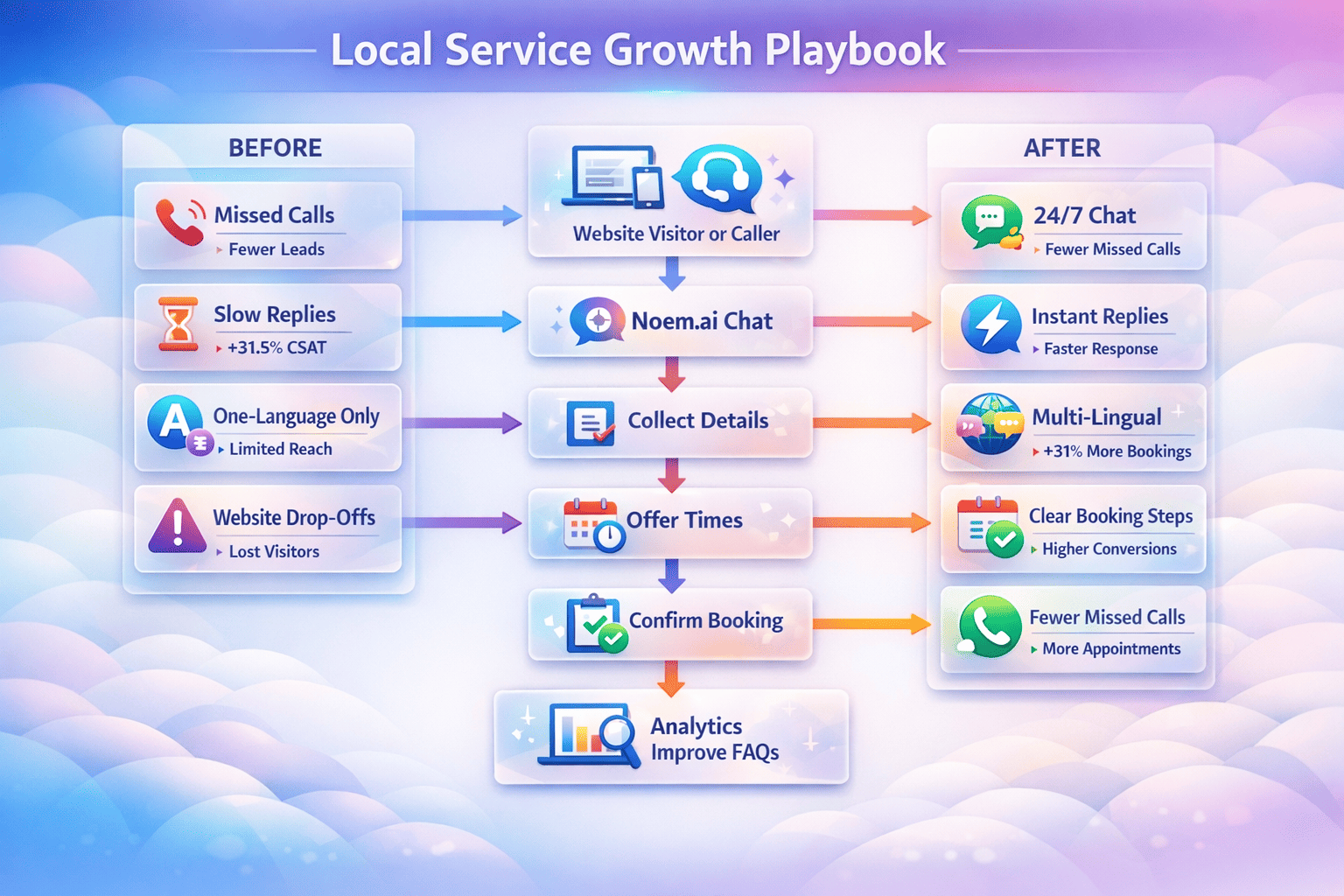
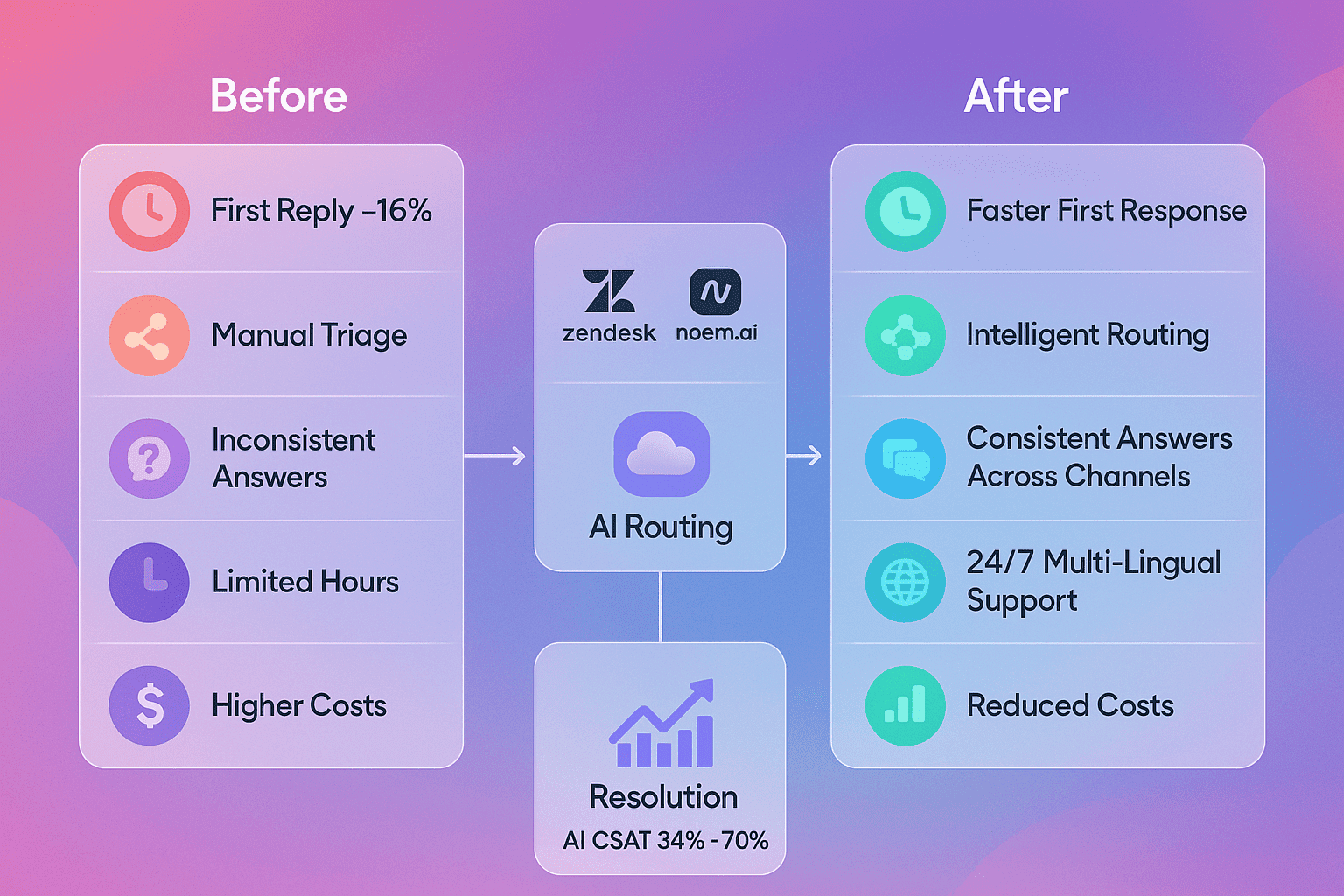
- Faster Response Times for Prospects: Prospects will not wait; they bounce if answers are slow. Your chatbot should handle common asks quickly and route complex issues to humans with context, which cuts wait time and improves satisfaction (ref: Noem.ai Blog). Measure median first response time at launch and again after week one to confirm lift. Shorter response times lead to more demos booked and more deals started.
- Higher Close Rates with Better-Qualified Leads: The bot should ask smart questions that sort buyers from browsers and pass complete notes to your CRM. This saves sales time and raises meeting quality (ref: YouTube). Check that scoring rules and qualification fields are easy to adjust from a simple admin screen. Better qualification reduces no-shows and improves pipeline health.
- Security, Governance, and SLAs: Enterprises need clear roles, audit trails, and uptime commitments. Ask for documented SLAs, data handling, and how updates are rolled out with change control (ref: Software Finder). Make sure content sync and model updates follow your governance plan to avoid drift. Clear SLAs reduce risk and keep leadership confident.
- Time to Deploy and Scale: Speed matters, because value starts only when your bot is live. Favor platforms that bundle builder, hosting, knowledge sync, multichannel publishing, and analytics into one stack so you can launch in minutes, not weeks (ref: Noem.ai Help; Noem.ai Blog). Verify that adding a new page or doc updates the bot without manual retraining. This lowers setup costs and speeds up your first results.
- Pricing Fit and Total Cost of Ownership: Usage-based pricing makes costs more predictable as you grow. Bundled platforms reduce extra vendor fees for hosting, analytics, or multichannel add-ons (ref: Noem.ai Blog). Ask for a full TCO view that includes add-ons, training, and change requests over 12 months. Clarity here prevents budget surprises later.
How Noem.ai Maps to the Checklist (And Why Gaps Show Up Elsewhere)
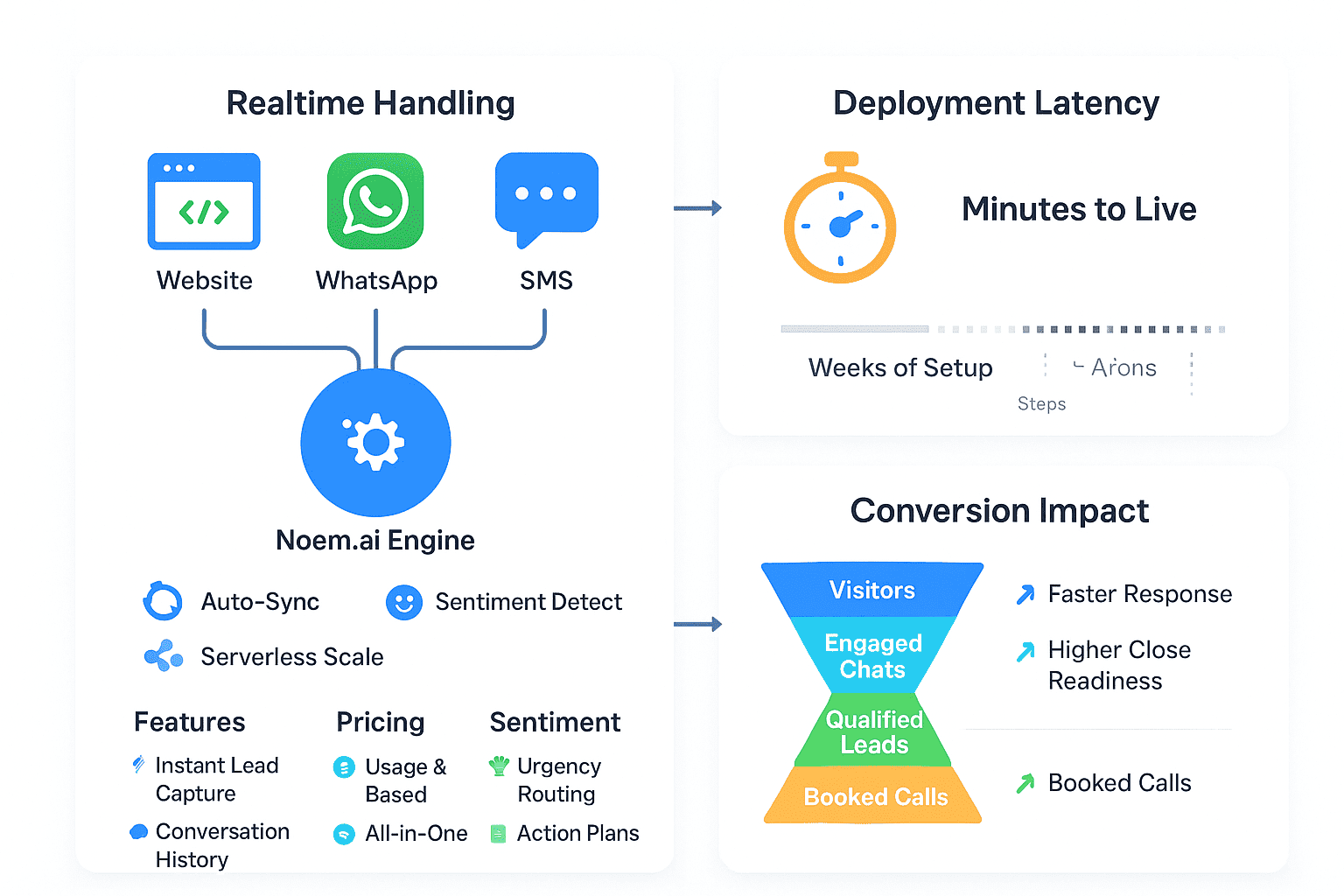
When you compare platforms, you will see the biggest differences in speed, simplicity, and how data flows. Noem.ai focuses 100% on chatbots and bundles builder, hosting, knowledge sync, multichannel publishing, and analytics into one stack, so teams go live in minutes. This single-stack approach reduces integration drift and makes content updates automatic, which avoids long retraining cycles and broken links between tools (ref: Noem.ai Help). This is why leaders use it to capture more leads, improve response times, and run cleaner reviews with complete history (ref: Noem.ai Help). Below are the core ways Noem.ai aligns with the checklist.
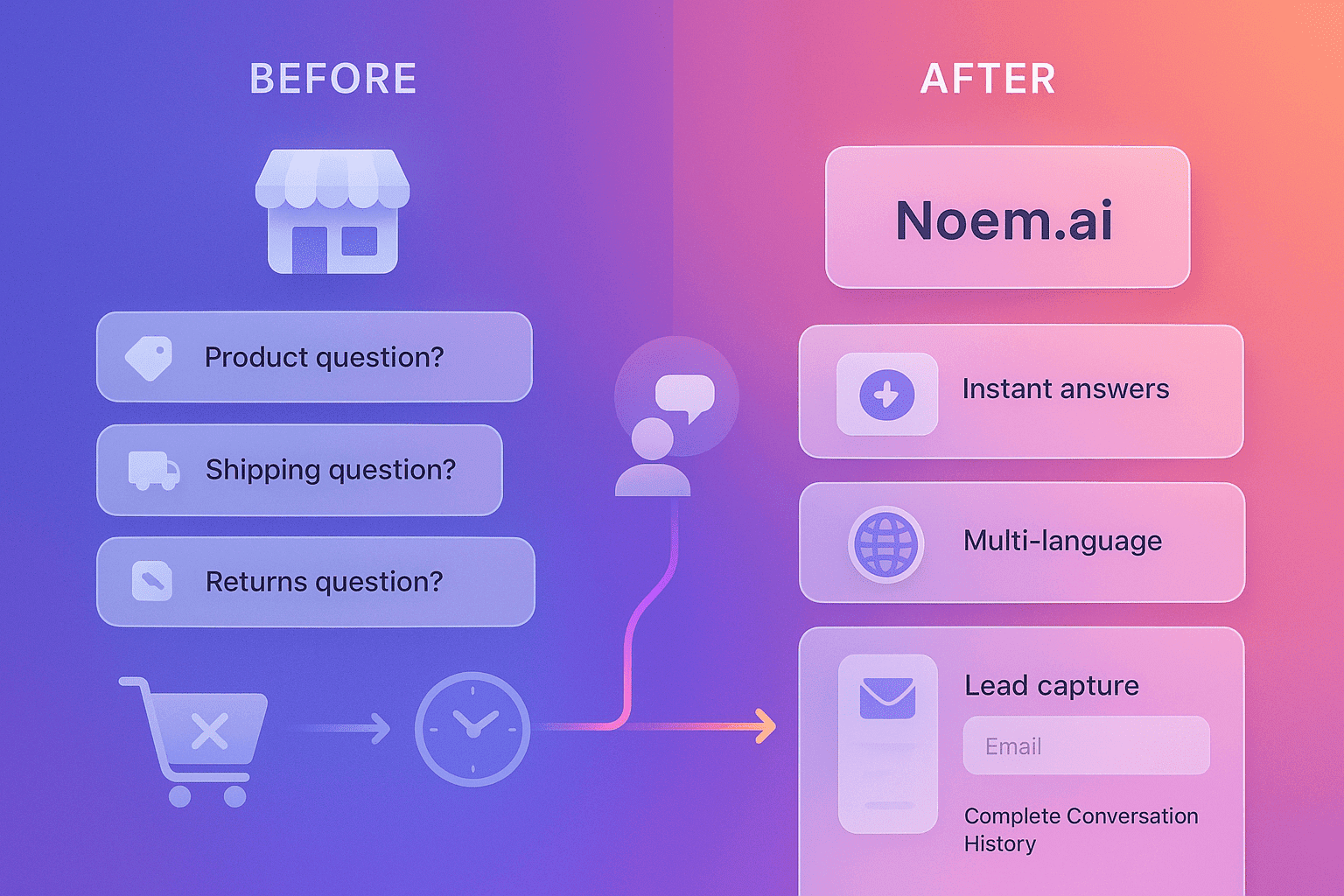
- Instant Website Lead Capture: Noem.ai makes it easy to capture visitor details right from the chat window, so you do not lose interest when it is warm. Because the capture form lives inside the chat, users do not need to switch tabs or wait for an email (ref: TechRSeries). Leads sync to your stack through supported integrations or APIs. This keeps your pipeline fresh and action-ready.
- Complete Conversation History Across Channels: Every exchange is logged, searchable, and reviewable, which helps you coach reps and find gaps in content. Central history makes quality checks easier and helps you resolve issues faster (ref: Noem.ai Help). You can filter by channel or topic and export insights for leadership reports. This reduces repeat tickets and supports better governance.
- Analytics Depth + Sentiment Tracking: Noem.ai includes real-time analytics and built-in sentiment tracking so you can see what lands and what falls flat (ref: Noem.ai Blog). Teams use this to refine prompts, flows, and follow-ups that lift conversions. Having analytics in the same stack as the chat reduces lag and extra contracts. This is key for faster, ongoing improvement.
- CRM + Platform Integrations: You can connect to major systems like Shopify and Zendesk, as well as website platforms like WordPress, Wix, and SquareSpace (ref: Noem.ai Blog). API options make it possible to tie into custom apps or messaging providers where needed (ref: Software Finder). This lowers custom work and shortens timelines. Your team gets a simple, guided setup rather than a tangle of one-off tools.
- Multichannel Publishing + WhatsApp and Slack Support: You can publish across web chat and common channels while keeping data in sync, so messages stay consistent (ref: Noem.ai Blog). This makes updates faster because one content change can roll across touchpoints. It also cuts the risk of outdated answers on some channels. Clear governance rules apply across the board.
- Operational Automation for Teams: Beyond chat, Noem.ai supports autonomous AI agents that help with scheduling, research, and reporting, which frees teams to focus on strategy (ref: TechRSeries). This reduces manual work and shortens response loops. When routine tasks run on their own, your staff can work on big moves, not busy work. That helps you show value faster.
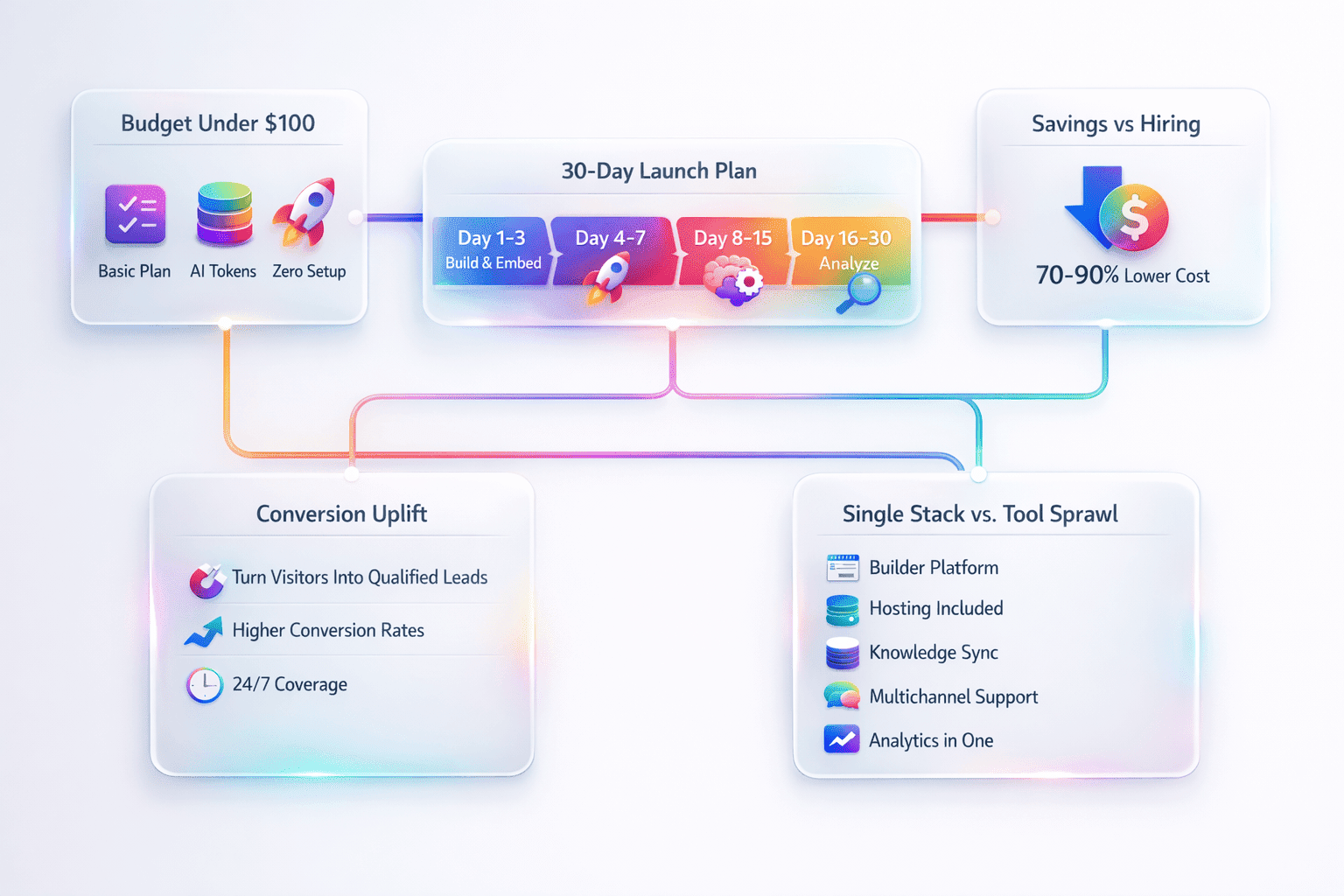
- Usage-Based Pricing and Lower TCO: With a bundled stack and usage-based pricing, you avoid paying for three or four extra tools just to get analytics, hosting, and sync (ref: Noem.ai Blog). This keeps costs tied to value rather than fixed fees. It also keeps finance happy because forecasts stay predictable as usage grows. Less tooling means fewer vendor renewals and less overhead.
- Time to Launch in Minutes: Because the stack is unified, teams can go live fast—even when they are not deeply technical (ref: Noem.ai Help). This means you start capturing leads and answering buyers right away. The sooner you launch, the sooner you see impact on pipeline and CSAT. And the easier the updates, the faster the learning loop.
Side-by-Side: Noem.ai vs. Competitor Approaches (Features, Pricing, Time, Sentiment)
Below are quick-hit comparisons to help you spot gaps in typical point solutions. Each line focuses on outcomes that matter to your business. Keep this list open when you speak with vendors. Ask them to show you, not just tell you. And use your data to verify claims.
Features: Noem.ai vs. Competitors
- Unified Stack (Builder, Hosting, Knowledge Sync, Multichannel, Analytics): Noem.ai bundles these core parts so you do not manage five tools or pay five invoices (ref: Noem.ai Help). Competitors often split them across vendors, which slows launches and raises cost. A single stack reduces risk, since updates move together. It also simplifies support when you need help.
- Instant Website Lead Capture + Complete Conversation History: Noem.ai captures leads in the chat and stores full conversation logs you can review and export (ref: Noem.ai Help). Many point tools treat lead capture and logs as separate add-ons. This causes friction and data loss between steps. Bundling them keeps your funnel clean and connected.
- CRM + Ecommerce + Help Desk Integrations (e.g., Shopify, Zendesk): With built-in and supported integrations, you can keep orders, tickets, and conversations aligned (ref: Noem.ai Shopify; Noem.ai Blog). Competitors may require custom work or extra modules to do the same. That adds time and consultant fees. Clean integrations reduce churn and improve follow-ups.
- Multichannel Coverage Including WhatsApp + Slack, With API Paths to SMS/Twilio: Noem.ai supports popular channels and offers API routes to connect SMS providers like Twilio when needed (ref: Software Finder). Point tools may require separate bots per channel, which fragments data and content. A single content base prevents outdated answers across channels. This improves customer trust.
- Analytics Depth + Built-In Sentiment Tracking: Real-time dashboards and sentiment analysis are included, so you can see what works and fix what does not (ref: Noem.ai Blog). Some vendors sell analytics as a separate add-on, which slows learning loops. When insights live in the same stack, teams adjust faster. That speed lifts close rates and retention.
- Operational Automation (Scheduling, Research, Reports): AI agents inside Noem.ai handle routine tasks, not just customer replies (ref: TechRSeries). This cuts manual work and frees staff for high-impact projects. Competing chat-only tools do not cover these jobs. One platform means fewer gaps.
Pricing: Noem.ai vs. Competitors
- Usage-Based Model That Scales Predictably: With usage-based pricing, you pay for what you use and avoid rigid tiers that punish growth (ref: Noem.ai Blog). Some tools charge fixed monthly fees plus add-ons that stack up. This makes forecasting hard and causes surprise renewals. Predictable usage pricing helps finance plan with confidence.
- Bundle Savings (Builder, Hosting, Sync, Analytics, Multichannel): Noem.ai reduces total cost by packaging what you need from day one (ref: Noem.ai Blog). Point solutions often need three or four extra tools to match coverage. Each extra tool adds training, support, and integration costs. Bundling removes those layers.
- Trial-Friendly Onboarding: Testing before a big commitment matters for enterprises. Noem.ai supports a try-first motion so teams can validate fit and value before rollout (ref: Software Finder). Trials reduce risk and help you build an internal business case. Fewer surprises mean smoother approvals.
- Lower Admin Overhead: Fewer vendors mean fewer invoices, renewals, and legal reviews. This saves time and hidden costs that rarely show up in top-line quotes (ref: Noem.ai Blog). Centralized governance also reduces audit work. That is value beyond raw license price.
Time to Deploy: Noem.ai vs. Competitors
- Minutes to Go Live With Guided Setup: Because the platform is unified, teams can launch fast without deep technical skills (ref: Noem.ai Help). This lets you capture leads and answer questions right away. Speed also shortens the time to prove ROI. Early wins build trust and momentum.
- Weeks vs. Minutes—Why Single-Stack Matters: In fragmented stacks, each vendor adds setup, SSO, and training steps, which can stretch into weeks. Noem.ai avoids that delay by delivering builder, hosting, knowledge sync, multichannel publishing, and analytics together (ref: Noem.ai Blog). Faster launch means faster learning. Faster learning means better outcomes sooner.
- Continuous Auto-Sync for Content Updates: When you change docs or pages, the bot reflects updates without manual retraining cycles (ref: Noem.ai Help). This prevents stale answers and lost trust. It also means your team spends less time on upkeep. The platform grows with your content.
Sentiment Analysis: Noem.ai vs. Competitors
- Built-In Sentiment, Not an Add-On: Noem.ai includes sentiment analysis so you can track emotion and adjust responses in real time (ref: Noem.ai Blog). This helps your team spot risk and escalate fast. Competitors may charge extra or require another tool, which slows action. Integrated sentiment keeps insight and response in the same flow.
- Better Coaching and Content Fixes: Sentiment flags show where customers feel confused or frustrated. Teams can then tune messages or add missing FAQs to fix the root cause (ref: YouTube). Over time, this reduces repeat issues and raises CSAT. Clear emotion data shortens the gap between problem and solution.
- Higher Close Rates With Better-Qualified Leads: When sentiment ties into analytics and lead capture, you learn which messages move buyers forward and which slow them down (ref: Noem.ai Blog). This leads to better qualification paths and cleaner handoffs to sales. Stronger handoffs reduce time-to-deal. That is how small changes add up to revenue.
Put the Checklist to Work: A Simple, Fair Test You Can Run This Week
Before you commit, run a quick side-by-side test. Give each platform the same three pages of content, the same five FAQs, and the same target fields for lead capture. Ask each vendor to connect your CRM or help desk and set up one secondary channel like WhatsApp or Slack. Then measure time-to-launch, first-response time, lead quality, and the clarity of analytics and sentiment. This test reveals real differences fast and helps you pick with confidence.
- Start With Instant Website Lead Capture: Install the website widget and confirm it collects name, email, and a qualifying question within the first 30 seconds of engagement (ref: TechRSeries). Use a timed browse session to check completion on desktop and mobile. Leads should sync to your CRM or help desk. If it takes custom code, note the delay.
- Verify Complete Conversation History and Exports: Open the admin portal and confirm that all chats are recorded with timestamps, channel labels, and sentiment tags (ref: Noem.ai Help). Export a weekly report and share it with sales, support, and marketing. Ask each team to name one change they will make based on the data. If you cannot export or filter, that is a red flag.
- Check SMS/Twilio and Multichannel Reach: Confirm the platform supports WhatsApp and Slack now and can connect to SMS providers like Twilio through API paths or webhooks where needed (ref: Software Finder). Send the same scripted question across channels to test consistency. Messages and knowledge should match in tone and content. Inconsistent answers confuse customers and reduce trust.
- Validate Analytics Depth + Sentiment Tracking: Open dashboards and confirm you can see volume, deflection, time-to-first-response, and sentiment trends (ref: Noem.ai Blog). Change one FAQ and measure the impact on completion rates after 24–48 hours. Fast learning loops are a good sign. Slow loops or missing data make improvement hard.
- Inspect SLAs and Governance Fit: Ask for documentation on uptime commitments, change management, and data handling (ref: Software Finder). Review role-based access controls so audits are easier. If SLAs are vague, risk is high. Strong governance keeps your brand safe as usage grows.
- Measure Time to Deploy and Scale: Track how long it takes each vendor to go live with your starter kit. Because Noem.ai is a single stack with auto-sync, teams typically move from setup to first lead capture very quickly (ref: Noem.ai Help). Competing setups with many parts often take longer due to extra steps and training (ref: Noem.ai Blog). Faster launch means your data flywheel starts sooner.
- Look for Real Business Lift: After one week, compare demo requests, first-response time, and qualified lead rate. Noem.ai is designed to help teams move faster and smarter by bundling the stack and keeping analytics close to the action (ref: Noem.ai Blog). Write down what changed for your team and where the time savings showed up. Clear results build buy-in across sales, support, and marketing.
Ready to see this checklist in action with your content and channels? Spin up a trial with Noem.ai, measure it against your current stack, and keep what proves real value.